What We Used to Think About Procurement Salaries
When I started out, "procurement manager" seemed like a straightforward title with a predictable pay scale. You check job boards, see a general range in India or the U.S., and assume that’s the story. Averages were the only numbers anyone talked about. Want a raise? Benchmark against the mean, point to inflation, and hope for the best.
But averages are a limited metric. They miss the real dynamics of procurement pay—the why and the how behind those numbers. And once you start digging, the patterns are far more complex.
Why the Old Belief Lasted
The myth of average salaries survives because it’s easy. HR teams love it—it’s a clean number to put in a job ad. Job seekers latch onto it for the same reason: it gives them a target. But averages ignore the outliers that define this field.
Procurement managers often negotiate contracts that significantly influence project budgets. Their decisions can directly impact the financial success of a project, yet their salaries often don’t reflect the magnitude of their contributions.
For instance, consider two procurement professionals:
- One secures basic office supplies.
- The other negotiates contracts for high-value, custom components in a billion-dollar infrastructure project.
Both might hold the same title, but their impact—and the risks they manage—are vastly different. Yet traditional salary metrics fail to account for these nuances.
Actionable Steps to Avoid the Trap of Averages:
- Understand the Scope of Your Role: Before accepting a job offer or negotiating a raise, evaluate the scope of the job. Are you managing low-risk, repetitive tasks, or high-stakes contracts with significant financial implications?
- Ask for Detailed Job Descriptions: Push for clarity in job postings. If the job involves managing multimillion-dollar contracts or complex negotiations, the pay should reflect that.
- Don’t Rely Solely on Public Salary Data: Use salary benchmarks as a starting point, but factor in variables such as industry, company size, and project complexity.
What’s Really Driving Procurement Pay?
If averages don’t tell the whole story, what does? Procurement salaries are shaped by several key factors:
1. Project Size and Complexity
The nature of the project heavily influences pay. A procurement manager sourcing standard materials for a small office building isn’t doing the same job as one securing custom components for an infrastructure megaproject. However, job descriptions often don’t make this distinction clear.
Expanded Explanation: High-complexity projects require deeper market knowledge, advanced negotiation skills, and the ability to manage multiple stakeholders. For example, in construction procurement, sourcing standardized materials like cement is far less risky than procuring custom-designed steel beams that meet specific engineering requirements. The latter requires rigorous vendor qualification and contract management, both of which demand specialized expertise.
Actionable Steps:
- Tailor Your Resume: Highlight the scale, complexity, and financial impact of past projects. Quantify your contributions where possible (e.g., "Negotiated supplier contracts for a $500M energy project, reducing costs by 12%").
- Negotiate Based on Scope: If your role involves managing high-risk, high-value contracts, use that as leverage during salary negotiations.
2. Regional Variations
Procurement is highly regionalized, with specific challenges tied to geography. For instance:
- India: CPWD (Central Public Works Department) compliance adds bureaucratic layers.
- GCC Countries: Procurement involves navigating multi-country rates and adhering to FIDIC (International Federation of Consulting Engineers) standards.
- United States: Compliance with Davis-Bacon wage rules and other labor-related regulations.
Expanded Explanation: Regional challenges not only affect day-to-day operations but also demand specialized knowledge. In the GCC, for example, procurement professionals often deal with fluctuating oil prices and multi-currency contracts. In contrast, U.S.-based roles might require expertise in union labor laws and state-specific regulations.
Actionable Steps:
- Research Regional Standards: Familiarize yourself with the regulatory framework and market trends in your target region.
- Highlight Regional Expertise: Demonstrate how your experience aligns with the specific challenges of the region during interviews or performance reviews.
3. Risk Management
Procurement isn’t just buying; it’s forecasting. Professionals must anticipate market fluctuations, such as sudden price hikes in materials, and mitigate risks to avoid project delays or budget overruns. Firms that value this skill often compensate accordingly.
Expanded Explanation: Risk management in procurement involves more than just identifying potential issues. It requires developing contingency plans, building strong supplier relationships, and using predictive analytics to stay ahead of market trends. For example, a procurement manager sourcing steel during a global shortage would need to secure alternative suppliers and negotiate long-term contracts to stabilize costs.
Actionable Steps:
- Develop a Risk Management Framework: Document your approach to identifying, assessing, and mitigating risks in procurement.
- Track Metrics: Keep records of how your risk management strategies have saved time, money, or resources (e.g., "Mitigated a 20% cost increase in raw materials through strategic supplier contracts").
4. Technology Adoption
The ability to use advanced tools and software is increasingly important. For example:
- Automating bid normalization to save time and reduce errors.
- Using predictive analytics to forecast future costs.
Expanded Explanation: Technology is reshaping procurement by streamlining processes and providing actionable insights. Tools like SAP Ariba, Coupa, and Oracle Procurement Cloud allow professionals to automate routine tasks, analyze supplier performance, and make data-driven decisions.
Actionable Steps:
- Get Certified: Invest in training for popular procurement tools and platforms.
- Showcase ROI: When pitching for a raise or a new job, provide concrete examples of how your tech skills have led to measurable efficiencies (e.g., "Reduced procurement cycle time by 30% using SAP Ariba").
How Technology Changes the Game
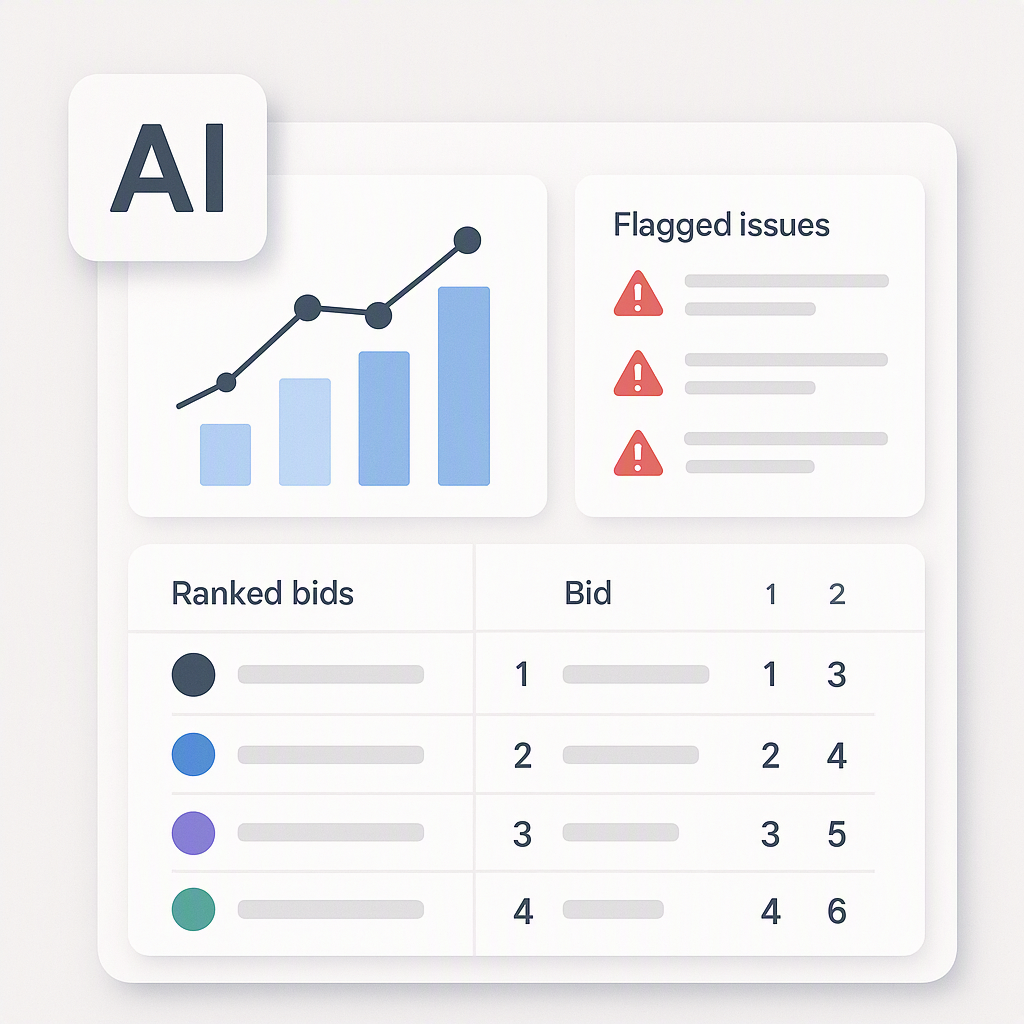
Consider the process of bid normalization. Procurement managers often spend hours manually comparing subcontractor quotes, aligning rates, and adjusting for scope variations. Advanced tools can automate much of this process, saving significant time and improving accuracy.
If a professional can demonstrate proficiency in such tools, they can position themselves as indispensable, showcasing their ability to save time and improve margins. This added value can be a strong argument for higher pay.
Comparison Table: Manual vs. Automated Procurement Processes
| Aspect | Manual Process | Automated Process |
|---|---|---|
| Time Required | Hours to days | Minutes to hours |
| Human Error Risk | High | Low |
| Data Insights | Limited | Advanced (predictive analytics) |
| Scalability | Limited | High |
| Negotiation Advantage | Minimal | Significant due to real-time insights |
What We Do Differently Now
Instead of focusing on averages, it’s more effective to evaluate pay based on specific drivers:
- Tender Complexity: Specialized skills, such as navigating compliance requirements, should be factored into salary discussions.
- Technology Proficiency: Familiarity with advanced tools can significantly enhance efficiency and decision-making.
- Market Dynamics: Professionals managing volatile sectors like steel or cement should be compensated for the risks they handle.
By focusing on these drivers, both employees and employers can align salary expectations with actual value delivered.
Conclusion
Procurement salaries are about more than averages—they’re about value. Professionals who can demonstrate their ability to manage complexity, mitigate risks, and leverage technology will shape the future of this field and command higher pay.
If you’re looking to elevate your procurement game, consider exploring advanced tools, developing risk management expertise, and gaining a deep understanding of regional compliance. By doing so, you’ll not only stand out but also position yourself to thrive in this evolving industry.