Why Cost Overruns Happen (And Why They’re So Common)
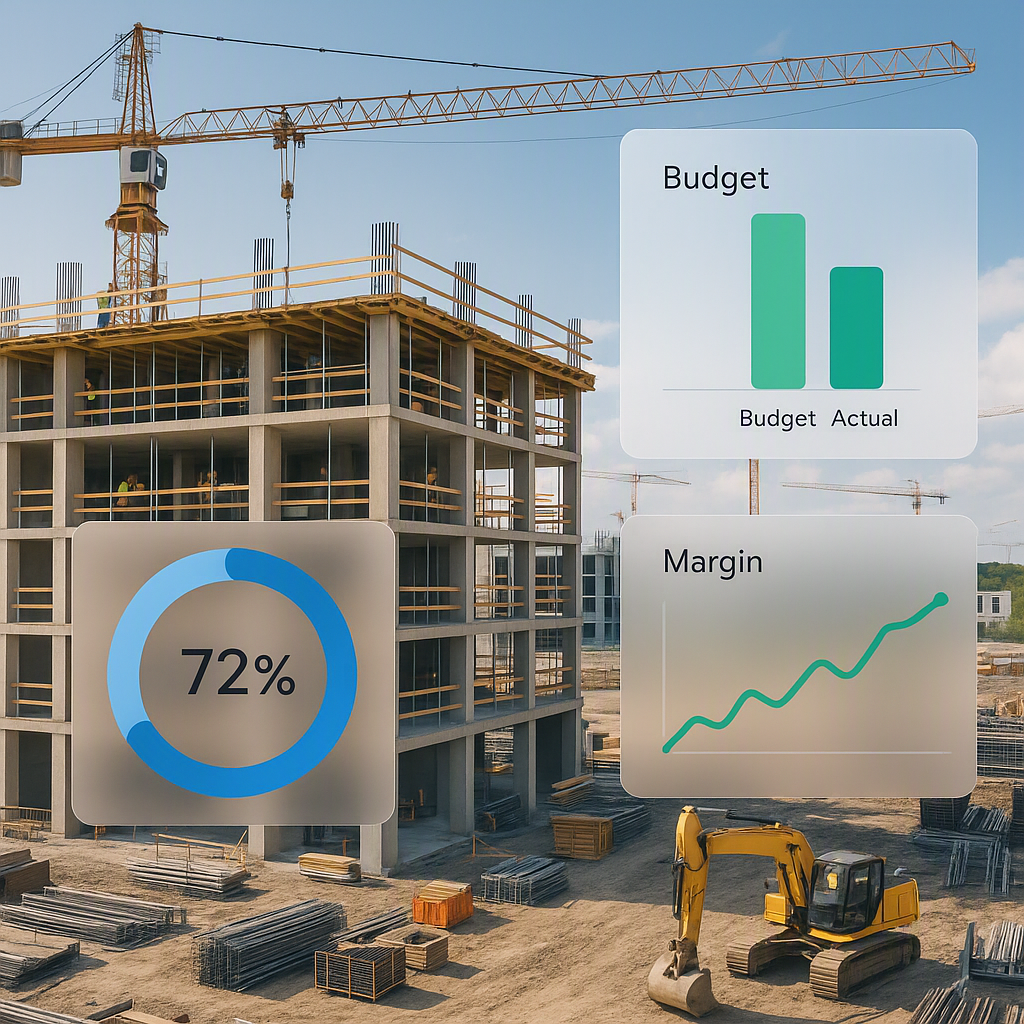
Cost overruns are a frequent challenge in construction projects. A project may start with a solid plan, but costs can spiral out of control due to poor estimation practices, scope creep, and sudden material price spikes. Understanding these causes is the first step to addressing them effectively.
Let’s break down the top causes and, more importantly, how to fix them.
1. Scope Creep
Scope creep is a common issue that can derail budgets. It often begins with small, seemingly harmless additions to the project scope but can escalate into significant unplanned costs and delays. Poor documentation of these changes can also lead to disputes.
Solution:
Lock down your scope early, but also plan for inevitable changes. Use tools that allow real-time BOQ (Bill of Quantities) updates. Having an audit trail for these changes is equally critical. When stakeholders see a clear cost impact for every tweak, they are more likely to consider the implications before requesting changes.
2. Unrealistic Initial Estimates
Early-stage estimates are often inaccurate due to limited data, rushed timelines, and manual processes. This can lead to significant budget discrepancies as the project progresses.
Solution:
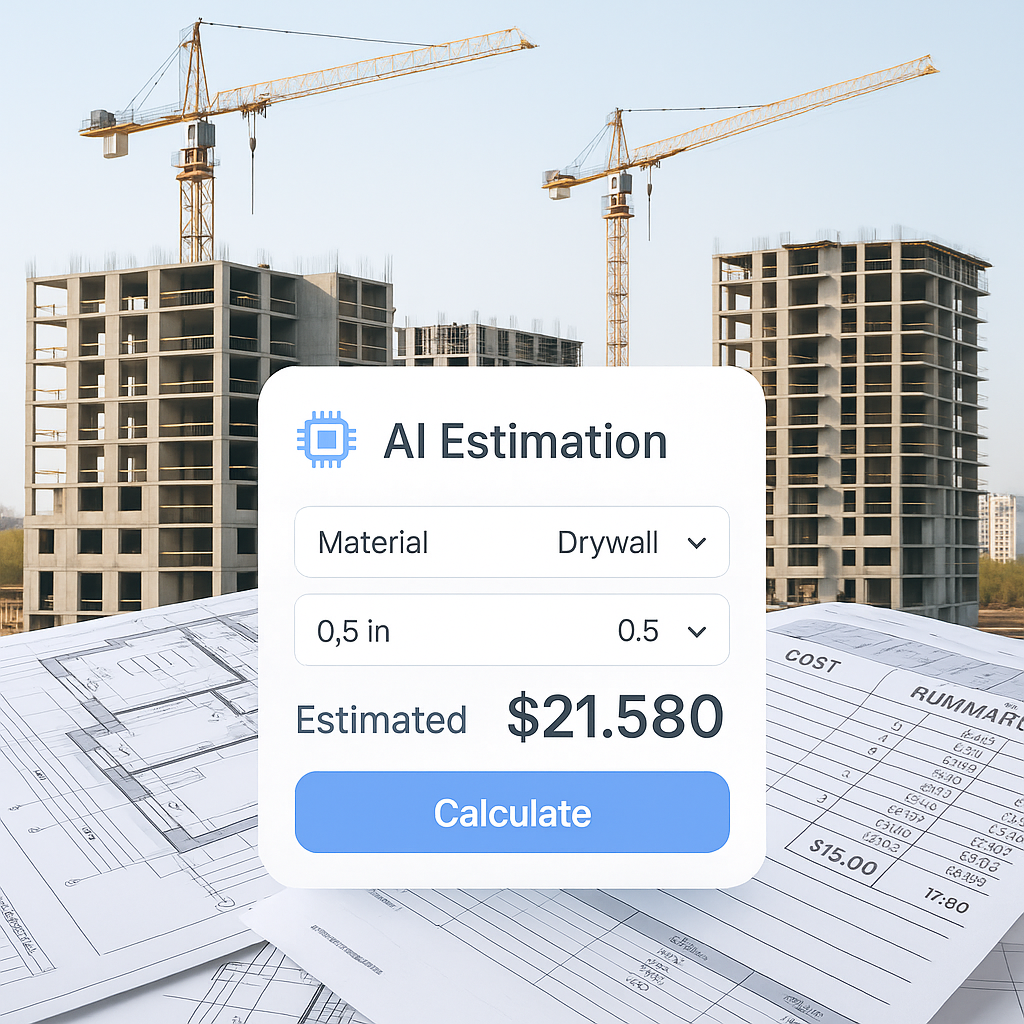
Focus on improving the accuracy of your estimates early in the project lifecycle. Automating processes like quantity takeoffs can reduce errors and provide more reliable data. This helps in creating estimates that are closer to actual costs.
3. Material Price Volatility
Fluctuations in material prices, such as sudden increases in steel or cement costs, can severely impact budgets. If your estimates don’t account for these changes, you risk significant overruns.
Solution:
Use tools or methods that incorporate real-time material pricing and allow for adjustments based on inflation or regional differences. This enables you to adapt your budget quickly to changing market conditions.
4. Poor Subcontractor Bid Evaluation
Awarding contracts to the lowest bidder without properly evaluating their scope can lead to cost escalations later. Manual bid comparisons are prone to errors, especially when quotes vary in scope.
Solution:
Standardize your bid evaluation process to ensure all subcontractor quotes are compared on an equal footing. This helps in identifying scope gaps and avoiding unexpected costs after the contract is awarded.
5. Inflexible Estimation Processes
Construction projects are dynamic, and a single change in rates or scope can affect the entire estimate. Static spreadsheets make it difficult to adapt quickly to these changes.
Solution:
Adopt dynamic estimation tools or processes that allow for real-time adjustments. This flexibility can save time and reduce errors when responding to client requests or market changes.
Common Questions (FAQ)
Q: How do I account for inflation in my estimates?
Use methods or tools that include inflation adjustments based on current market data and regional factors.
Q: What’s the best way to handle mid-project scope changes?
Document every change in a BOQ tool with a clear cost impact. Share this with stakeholders to maintain transparency.
Q: How can I prevent subcontractor disputes over scope?
Ensure all quotes are normalized and compared accurately to avoid miscommunication and unexpected costs post-award.
Common Mistakes to Avoid
- Skipping Contingency Planning: Always include a contingency percentage for unexpected costs.
- Ignoring Regional Rate Variations: Labor and material costs vary widely across regions. Adjust your estimates accordingly.
- Relying Too Much on Excel: Spreadsheets are prone to human error. Use purpose-built tools for better accuracy.
Conclusion
Cost overruns aren’t inevitable. With the right tools and processes, you can catch problems early, adjust quickly, and keep your projects profitable. By focusing on accurate estimates, managing scope effectively, and adapting to market changes, you can significantly reduce the risk of overruns.