Why WIP Reporting Matters
Every contractor has faced it: margins that vanish halfway through a project. You thought you priced it right, but unexpected costs, delayed payments, and scope creep eat away at profits. Work-in-progress (WIP) reporting is one of the few tools that can stop this from happening.
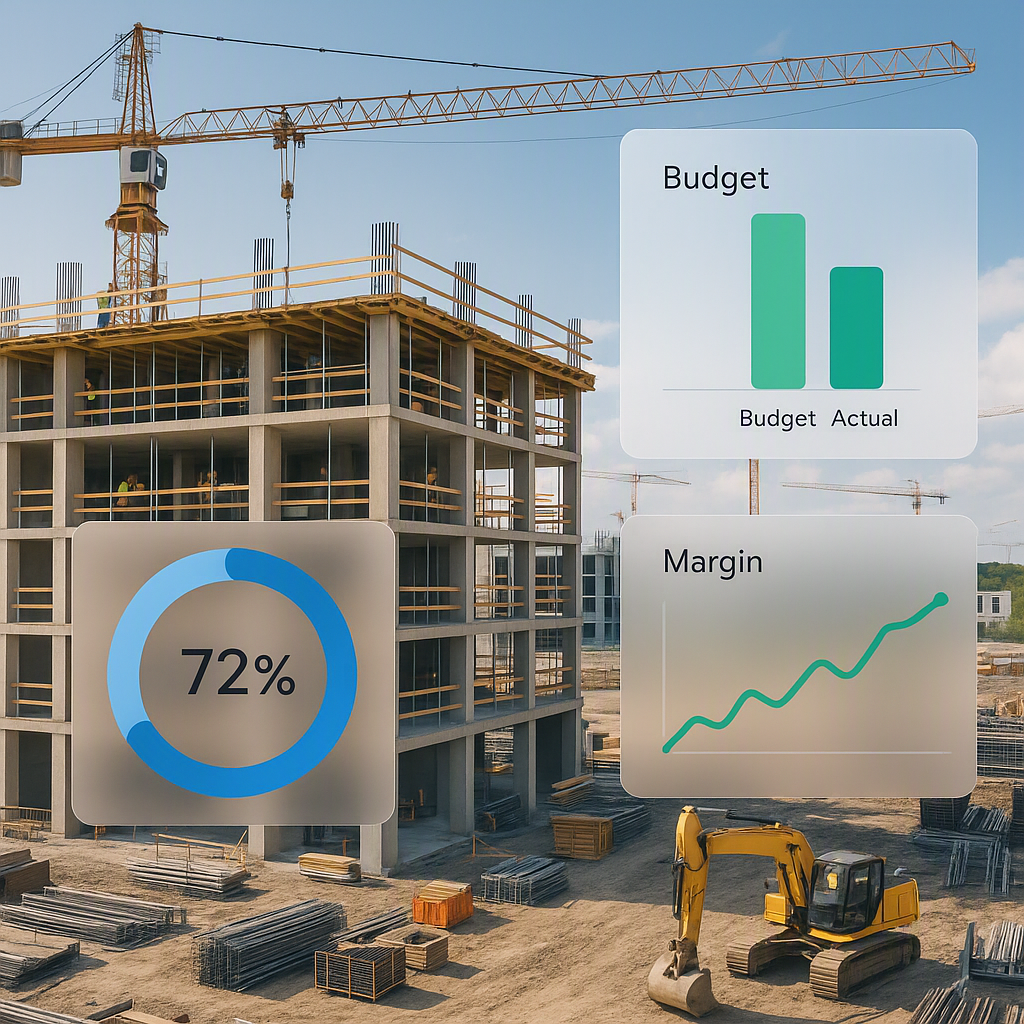
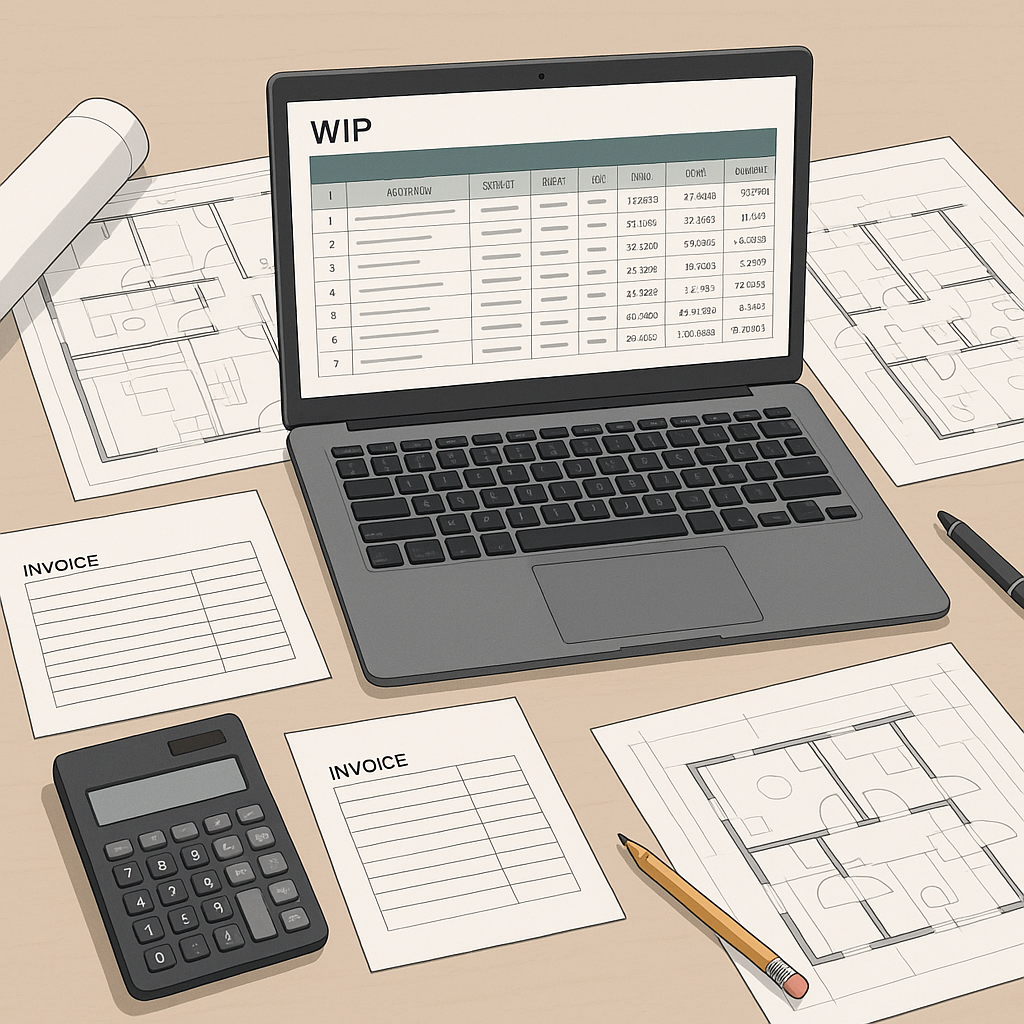
WIP reports track the real-time financial health of your projects. They show how much revenue you've earned versus costs incurred, and they flag problems like underbilling or overbilling before they spiral out of control. If done right, WIP reporting can save contractors from costly surprises.
Common Profit Leaks WIP Reporting Can Fix
1. Underbilling
Underbilling happens when you've completed work but haven't billed for it. On paper, it looks like your project is profitable because costs are low. In reality, you're eating into working capital without realizing it. This often leads to cash crunches that force contractors into expensive short-term loans.
2. Overbilling
Overbilling is the opposite. You've billed for work you haven't completed yet. While this might temporarily boost cash flow, it creates a liability on your balance sheet. If the project runs over budget or hits delays, you’ll struggle to meet the extra costs.
3. Hidden Cost Escalation
A WIP report forces you to reconcile project costs with earned revenue. If material prices have escalated or labor hours ballooned, it becomes visible here.
Illustrative example — WIP report snapshot:
| Project | Revenue Earned | Costs Incurred | Profit Margin |
|---|---|---|---|
| Project A | ₹80 lakh | ₹65 lakh | ₹15 lakh (18.7%) |
| Project B | ₹40 lakh | ₹42 lakh | ₹-2 lakh (-5%) |
In this case, Project B’s negative margin signals urgent corrective action.
How to Build an Accurate WIP Report
1. Start With the Right Data
You can't trust your WIP reports if your data is messy or incomplete. Accurate cost tracking is critical. This includes:
- Materials purchased and delivered
- Labor hours logged
- Equipment rentals
- Subcontractor invoices
2. Link WIP Reporting to Cash Flow Forecasting
WIP reports and cash flow forecasts go hand in hand. A good report doesn’t just show what’s been billed versus earned—it also projects your future cash needs. Tools like EstimateNext can automate this link by taking your BOQ, schedule, and cost inputs to create accurate S-curve cash flow projections.
3. Reconcile Monthly
WIP reports should be updated at least once a month. This lets you catch discrepancies early, before they snowball. For example, if your labor costs are higher than planned, you can adjust future budgets immediately.
How EstimateNext Simplifies WIP Reporting
One of the biggest hurdles in WIP reporting is gathering and reconciling data across multiple systems. Contractors often juggle Excel sheets, accounting software, and manual logs. EstimateNext simplifies this process by centralizing project costs, schedules, and revenue data.
Key Features That Help:
- Cash Flow Forecasting: Automatically generates S-curve projections based on your BOQ and milestones.
- Rate Analysis: Breaks down material, labor, and equipment costs into audit-friendly reports.
- Self-Learning Matcher: Flags real-time cost mismatches and suggests corrective actions.
Common Mistakes in WIP Reporting
1. Using Generic Templates
Every project is different. A generic WIP report template might miss critical details like trade-specific costs or material escalation rates.
2. Ignoring Retainage
Retainage (money withheld until project completion) often distorts WIP reports if not accounted for properly. Always include it as a separate line item.
3. Skipping Subcontractor Costs
If subcontractor invoices aren’t included in your cost tracking, your WIP report will paint a false picture of profitability.
FAQs
Q: How often should WIP reports be updated?
A: Monthly is ideal. For high-risk projects, weekly updates may be necessary.
Q: What’s the difference between WIP and cash flow reports?
A: WIP reports focus on earned revenue versus incurred costs. Cash flow reports track money moving in and out of your business.
Q: Can small contractors benefit from WIP reporting?
A: Absolutely. Even smaller projects can benefit from better visibility into costs and margins.
Conclusion
WIP reporting isn’t just another accounting task—it’s a financial health check for your projects. By catching errors early, reconciling costs with revenue, and linking to cash flow forecasts, you can protect your margins and avoid surprises.
If you're dealing with profit leaks, EstimateNext can help. Get started free →