Top 5 Benefits of Automating Cost Estimation for Construction Projects
Manual cost estimation has long been a staple of construction project planning, but it often leads to inefficiencies, errors, and missed opportunities. Automating this process can transform how preconstruction teams work, enabling faster, more accurate, and scalable results. Here are five key benefits of automating cost estimation for construction projects.
1. Speed That Actually Meets Deadlines
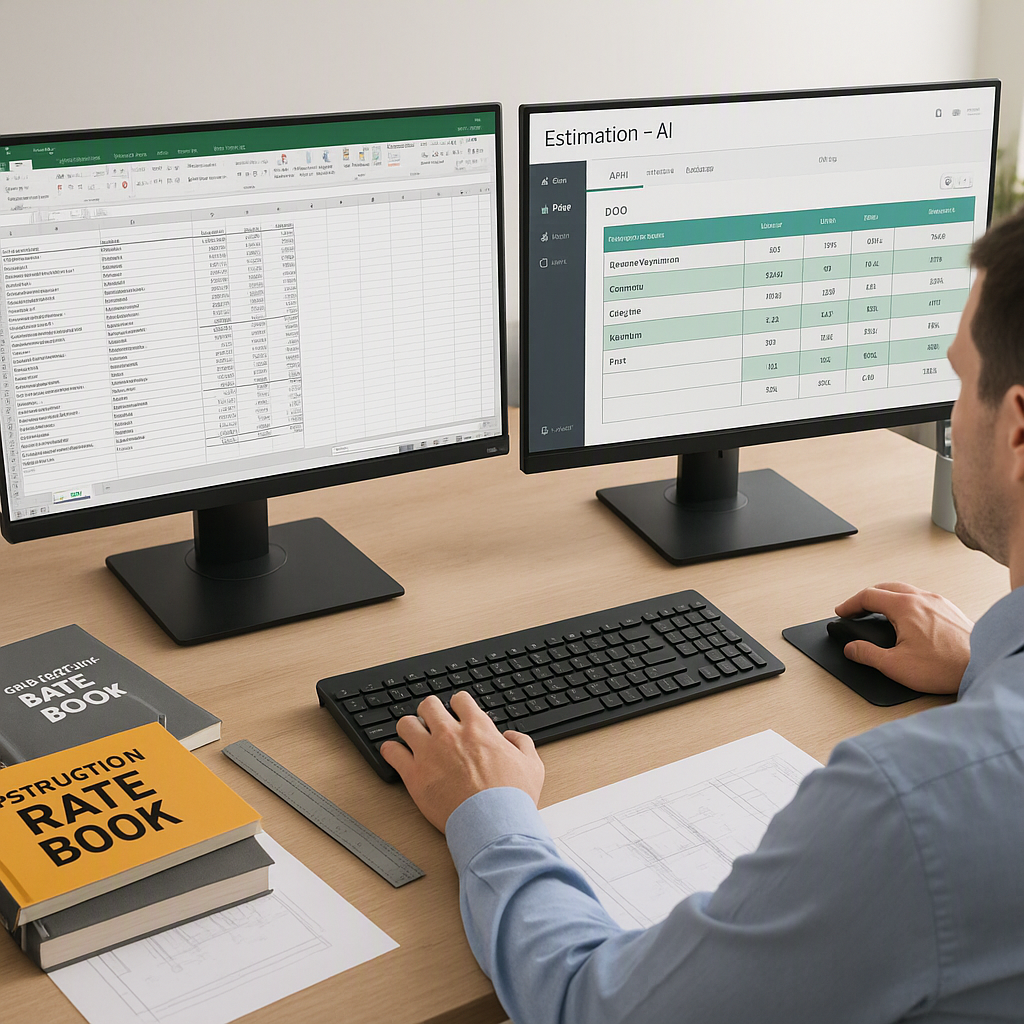
Manual estimation is slow and labor-intensive. Drawing takeoffs, rate lookups, and bid leveling can consume significant time, often delaying project timelines. Automation tools streamline these processes, extracting quantities from drawings, matching rates, and normalizing subcontractor quotes in a fraction of the time.
Illustrative example — Imagine a scenario where a mid-size contractor uploads project drawings into an automated tool. Instead of spending days on manual takeoffs, the tool processes the data and provides quantities within minutes. This speed allows teams to meet tight bid deadlines that might otherwise be missed.
2. Fewer Errors, Higher Accuracy
Manual processes are prone to errors such as tracing mistakes, outdated rates, and copy-paste inaccuracies. Automation reduces these risks by leveraging AI to extract quantities and match rates while flagging potential inconsistencies for review. This ensures estimates are more accurate and reliable.
Automation tools also account for inflation and local adjustments, providing a more comprehensive analysis. Teams can focus on reviewing and refining the output rather than spending time on repetitive tasks.
3. What-If Scenarios Without Rebuilding Workbooks
Manual recalculations for changes in project specifications can be time-consuming and error-prone. Automation simplifies this process by allowing users to adjust inputs and instantly update the entire estimate. Whether it’s swapping materials, adjusting labor costs, or factoring in inflation, the system recalculates with a full audit trail.
Illustrative example — A contractor might need to simulate the impact of a material price hike. With automation, they can input the new price and receive updated project costs within minutes, enabling informed decision-making without the risk of manual errors.
4. Smarter Bid/No-Bid Decisions
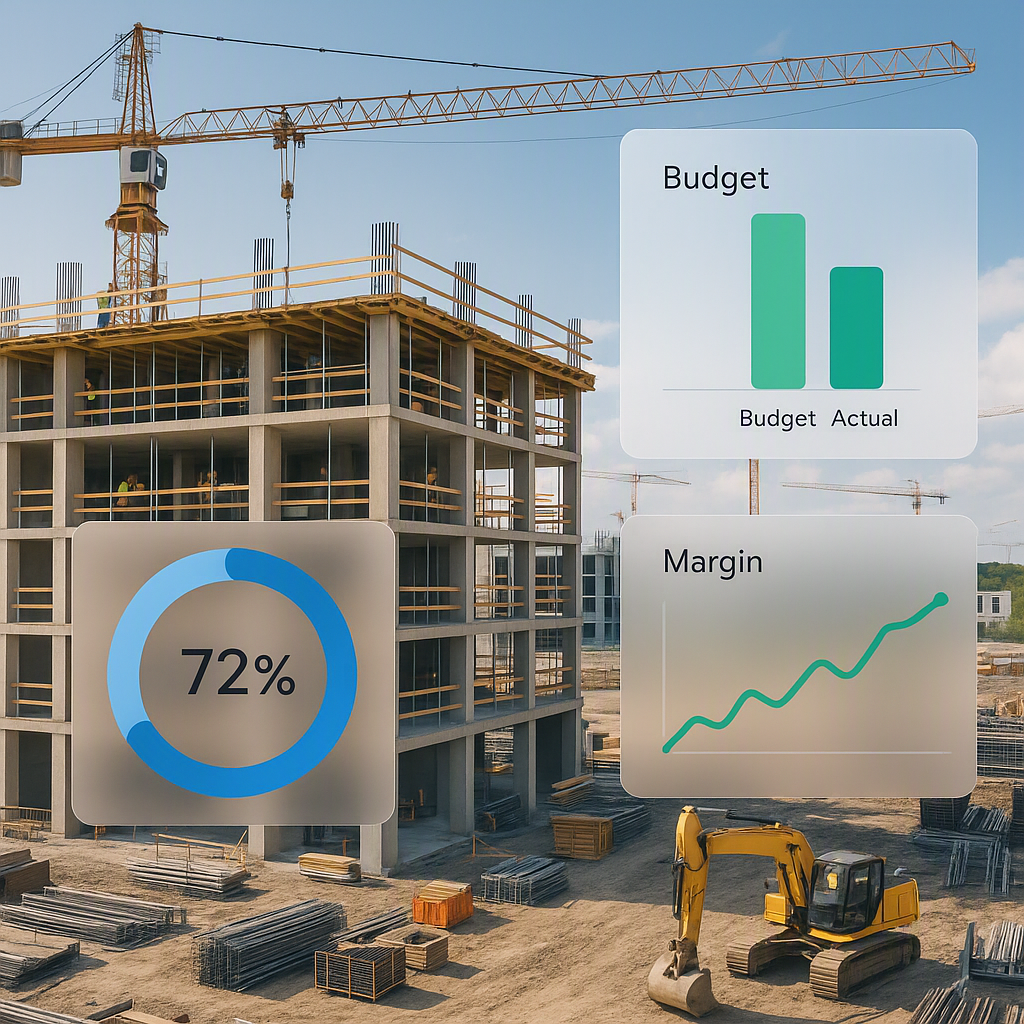
Bid/no-bid decisions often rely on gut instinct rather than structured analysis. Automation introduces data-driven insights by evaluating tender documents against predefined criteria such as scope complexity, client payment history, and margin potential. This structured approach helps teams make more informed decisions.
Automation tools can parse tender documents and provide recommendations based on objective metrics, reducing the likelihood of pursuing high-risk projects.
5. Cost Efficiency That Scales
While high-end estimation tools may seem expensive, the labor hours saved through automation often outweigh the initial investment. Automating repetitive tasks allows teams to focus on strategic activities, improving overall efficiency and scalability.
Illustrative example — Consider a scenario where automation saves significant hours per estimate. Multiply this across multiple projects, and the cumulative savings can justify the cost of the tool, delivering a strong return on investment.
Common Questions About Automating Cost Estimation
Q1: Won’t automation replace estimators?
Not at all. Automation handles repetitive tasks, freeing estimators to focus on strategic work like negotiation and client management. It’s a tool to enhance productivity, not a replacement.
Q2: How accurate are AI-generated estimates?
Automation tools typically start with high accuracy and improve over time through user feedback and self-learning mechanisms. Teams still review and refine outputs to ensure precision.
Q3: What’s the learning curve for these tools?
Most platforms offer user-friendly interfaces and onboarding support, enabling teams to get up to speed quickly.
Q4: Can we still use Excel?
Yes. Many automation tools integrate with Excel, allowing seamless data import/export for teams that prefer working with spreadsheets.
The Bottom Line
Automating cost estimation is about more than saving time. It improves accuracy, meets deadlines, and enables smarter decision-making. Whether you’re managing large-scale projects or regional tenders, automation can help streamline your processes and enhance your results.
If you’re ready to explore automation, consider tools that align with your team’s needs and workflows.