Rethinking Construction Project Profitability: How AI is Changing the Game
Introduction
For a long time, I believed that controlling costs and meeting deadlines were the ultimate keys to construction project profitability. The formula seemed simple: keep the budget tight, finish on time, and profits would naturally follow. However, this perspective has shifted significantly with the advent of new technologies and deeper insights into project management.
The Limitations of Traditional Cost Management
Many construction projects struggle to stay within budget due to outdated cost management practices. Relying solely on traditional methods, such as basic spreadsheets and manual expense tracking, often leads to inefficiencies and missed opportunities. While these tools have been sufficient for less complex projects, they fall short in today's dynamic construction environment.
Actionable Steps to Identify Limitations
-
Evaluate Existing Tools: Assess the tools currently in use for cost management. Are they integrating real-time data, or are they static? Static tools can result in outdated information and reactive rather than proactive management.
-
Identify Inefficiencies: Look for areas where manual input is high, and errors are frequent. High manual input often indicates a lack of automation and a higher likelihood of errors.
-
Consult with Stakeholders: Discuss with your team the pain points they experience with the current system. This feedback can guide the selection of better tools that align with both practical needs and strategic goals.
-
Benchmark Against Industry Standards: Compare your current practices with industry standards to identify gaps and potential areas for improvement.
Embracing AI in Project Management
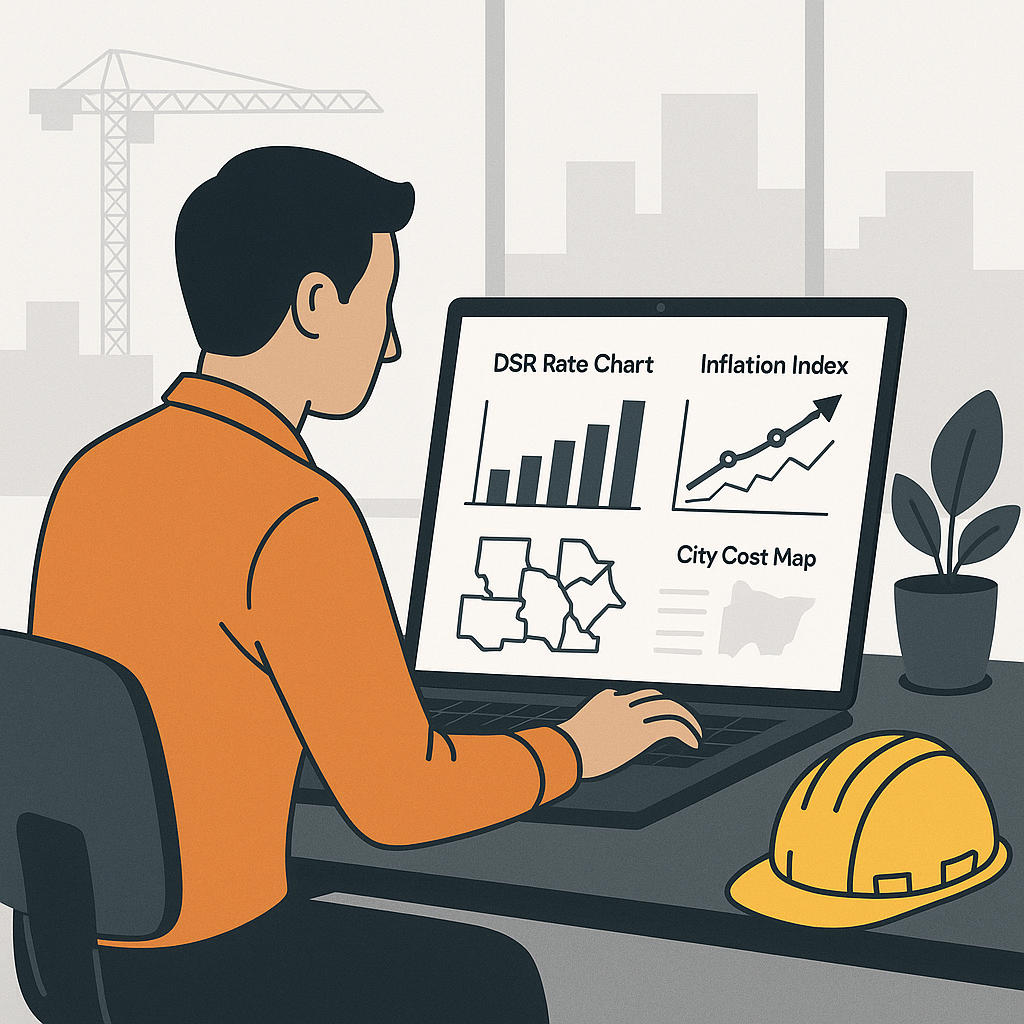
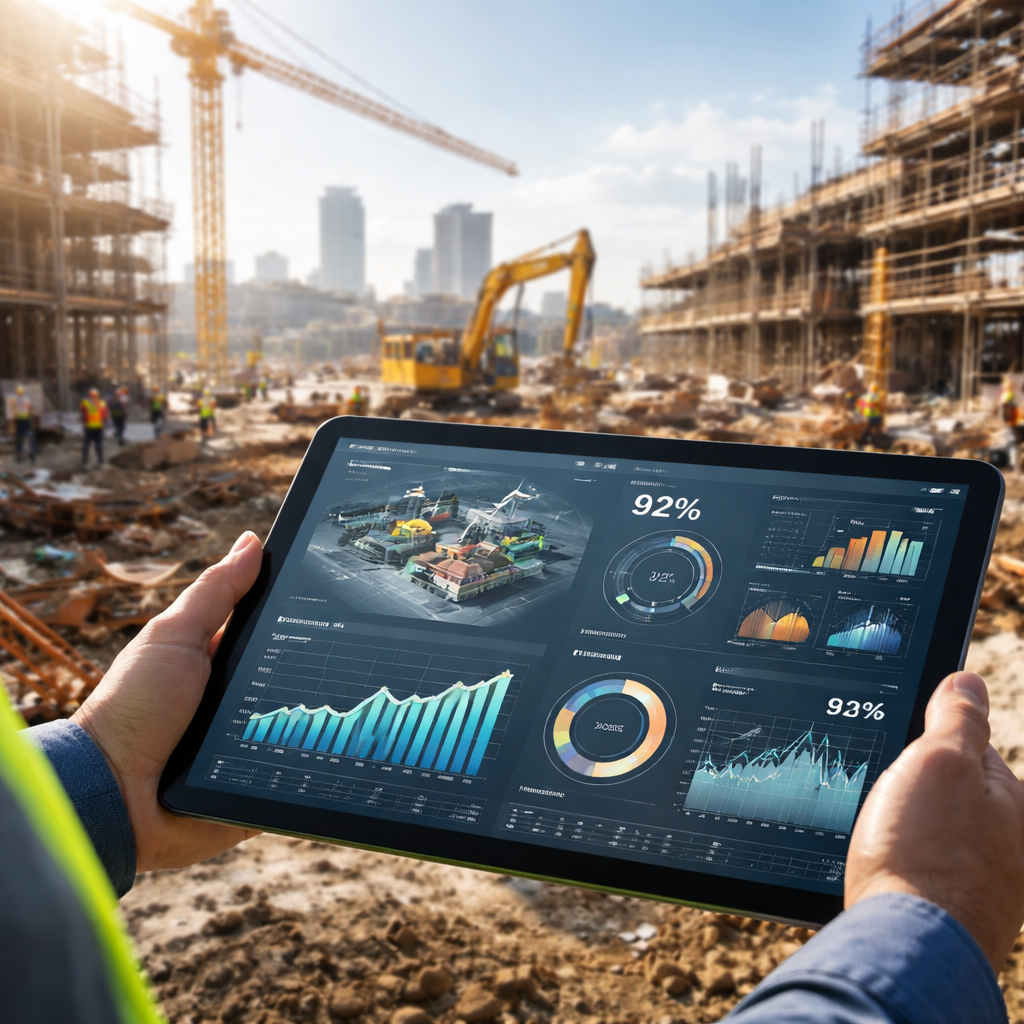
The shift in approach occurred with the realization of how AI and technology can revolutionize project management. AI-powered tools offer enhanced project monitoring capabilities, integrating market data for dynamic rate adjustments and informed decision-making.
How AI Enhances Project Management
- Real-Time Data Integration: AI tools can incorporate up-to-date market data, allowing for dynamic cost adjustments and better financial forecasting. This leads to more accurate budgeting and cost control.
- Automated Processes: Automation reduces human error and speeds up tasks like bid/no-bid decisions, freeing up valuable time for strategic planning. For example, automated scheduling can significantly reduce the time spent on project updates.
- Predictive Analytics: By analyzing historical data, AI can predict potential project pitfalls, helping managers proactively address issues. This is crucial for risk management and maintaining project timelines.
Implementing AI-Driven Solutions
Adopting AI-driven estimation and cost control tools has transformed my approach to managing construction projects. These platforms automate rate analysis and streamline decision-making processes, saving time and enhancing accuracy.
Steps to Implement AI in Your Projects
-
Research Available Tools: Start by researching AI-driven project management tools that suit your project's needs. Look for platforms with strong user reviews and case studies. Websites like Gartner and Capterra can provide useful insights.
-
Pilot the Technology: Before a full-scale implementation, test the tools on a smaller project to understand their impact and gather user feedback. Piloting allows for adjustments and ensures that the transition is smooth.
-
Train Your Team: Ensure that your team is well-versed in using the new technology. Provide training sessions and continuous support to ease the transition. Investing in training upfront can save significant time and resources in the long run.
-
Continuous Evaluation: After implementation, continuously evaluate the tool's performance and its impact on project profitability. Use key performance indicators (KPIs) to measure success and make data-driven improvements.
The Cost of Ignoring Technological Advancements
What did it cost me to ignore these advancements? Plenty. Projects that could have been more profitable ended up with razor-thin margins. I missed out on the competitive edge that technology offers. Even now, I'm still learning how to integrate these tools seamlessly across all projects—there's always something new to learn.
Decision Framework: To Integrate AI or Not?
| Criteria | Traditional Methods | AI-Driven Methods |
|---|---|---|
| Cost Management | Manual | Automated |
| Data Integration | Static | Real-Time |
| Predictive Capabilities | Limited | Advanced |
| Time Efficiency | Time-Consuming | Streamlined |
| Error Rate | Higher | Lower |
Conclusion
If you're grappling with project profitability, it's time to rethink your strategy. Consider how AI and real-time data can improve your project's financial outcomes. Exploring technology-driven solutions can provide the competitive edge needed in today's construction industry. By embracing these advancements, you can not only reduce costs but also optimize every aspect of your project lifecycle, ensuring sustainable profitability.