
The Importance of Project Margin Analysis in Construction
Every contractor faces the challenge of maintaining profitability throughout a project. Labor costs can overrun, material prices may spike, or initial estimates might be inaccurate. This is why project margin analysis is critical. It helps identify where profits are slipping and provides strategies to address these issues.
Step 1: Understand Margin vs. Markup
One common mistake is confusing margin with markup. Markup is the percentage added to costs to cover overhead and profit, while margin is the profit left after costs are deducted from revenue. For example, achieving a specific margin requires a higher markup percentage. Misunderstanding this distinction can lead to underpricing or overpricing. Always double-check your calculations to ensure accuracy.
Step 2: Break Down Costs: Direct, Indirect, and Risk
To analyze profit effectively, categorize costs into three main types:
- Direct Costs: These include materials, labor, and equipment directly tied to the project. For example, if material prices increase, your profit margin will be affected unless accounted for.
- Indirect Costs: Overhead costs such as office rent, utilities, and non-project salaries. These should be proportionately allocated across all projects.
- Risk Premiums: Factors like scope creep, market volatility, and tight deadlines. While harder to quantify, they are essential to include in your estimates to safeguard against unexpected expenses.
Step 3: Track Job Progress in Real-Time
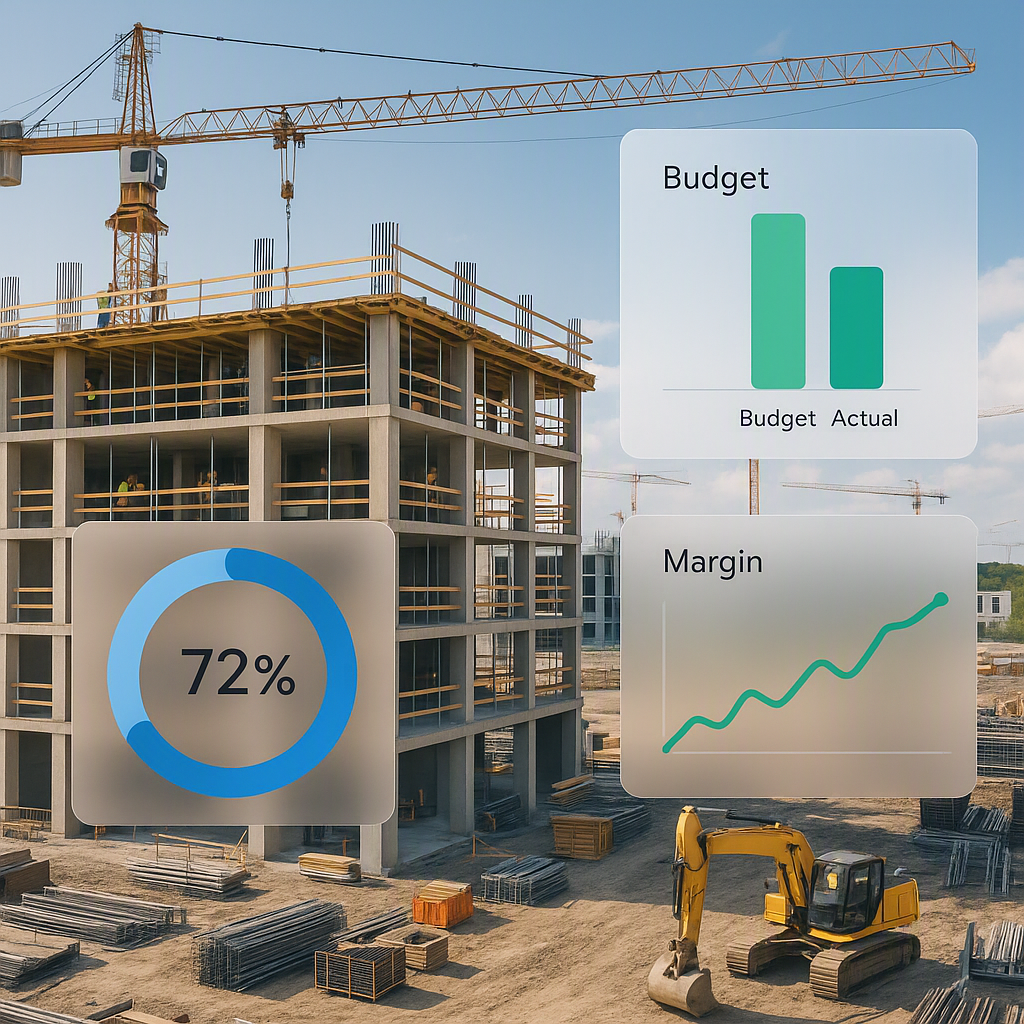
Margins can erode throughout a project, not just at the end. Real-time cost tracking is essential to monitor expenses as they occur. Relying on outdated methods like weekly or monthly spreadsheet updates can leave you unaware of cost overruns until it’s too late. Modern tools can integrate data from your BOQ, labor logs, and procurement costs to provide a comprehensive view of your project’s financial health.
Step 4: Identify and Address Profit Leaks
Profit leaks are hidden expenses that reduce your margin. Common examples include:
- Underestimated Labor Costs: Failing to account for overtime or unexpected delays can significantly impact profitability.
- Material Volatility: Not locking in supplier prices or accounting for inflation can lead to unexpected cost increases.
- Scope Creep: Small client requests mid-project can add up. Ensure all changes are tracked and billed appropriately.
- Missed Overhead: Overhead costs, including software subscriptions, equipment depreciation, and project management time, must be accurately allocated to avoid under-recovery.
Step 5: Use the Right Tools
Manual margin analysis can be time-consuming and prone to errors. Leveraging technology can streamline the process. Modern tools allow you to configure overhead, profit, and contingency percentages for each project and adjust for inflation and market conditions. Automating these calculations saves time and reduces the risk of errors.
FAQ: Common Questions About Construction Margin Analysis
Q: Can I use the same markup percentage for every project?
A: No. Each project varies in risk, labor intensity, and material volatility. Adjust your markup accordingly.
Q: How do I account for inflation in my estimates?
A: Use tools that factor in regional cost indices and inflation trends automatically. Manual updates may not keep pace with market changes.
Q: What’s the best way to test my margin assumptions?
A: Review a past project with known costs. Compare your estimated margin to the actual profit to identify discrepancies and refine your approach.
Common Mistakes to Avoid
- Guessing Your Markup: Use data-driven calculations rather than relying on intuition.
- Ignoring Small Scope Changes: Track and bill for every change order to avoid absorbing additional costs.
- Copy-Pasting Old Estimates: Each project is unique. Adjust for current market conditions and specific risks.
Conclusion
Project margin analysis is essential for maintaining profitability in construction. By understanding costs, tracking progress in real-time, and addressing profit leaks, contractors can ensure their projects remain financially viable. While manual methods are possible, modern tools can simplify the process and provide valuable insights to help you stay competitive.