The Real Cost of Guessing Margins
Margins in construction are razor-thin. A small mistake — an overlooked material cost or a miscalculated labor rate — can wipe out your profit. Project profitability reports are often post-mortems. By the time you review them, it’s too late to fix anything.
What if you could track profitability as it changes? Not at the end of the month. Not after your billing cycle. But in real time, while you can still course-correct. That’s where real-time project profitability tracking transforms the game.
Why Margins Shrink Mid-Project
Margins don’t just erode at the start with bad estimates. They shrink over the course of a project. Here’s why:
- Material Price Volatility: Prices for materials like steel or cement can fluctuate significantly during a project. If you locked your bid months ago, you’re absorbing those costs.
- Change Orders: Clients often request changes mid-project. Many teams scramble to include them without recalculating overhead or profit impacts.
- Labor Overruns: Misjudged productivity or overtime adds up. Without daily tracking of labor costs, overruns may only be noticed during payroll.
- Subcontractor Scope Creep: Subcontractors underestimating their scope doesn’t just affect them — it eats into your margin if you don’t catch it early.
Real-time tracking solves this by showing you exactly where money is bleeding and when.
How Real-Time Profitability Works
Let’s break it down practically. Real-time profitability tracking combines two core components:
- Live Cost Feeds: Material costs, labor charges, and subcontractor expenses update as they’re incurred. No more waiting for end-of-week spreadsheets.
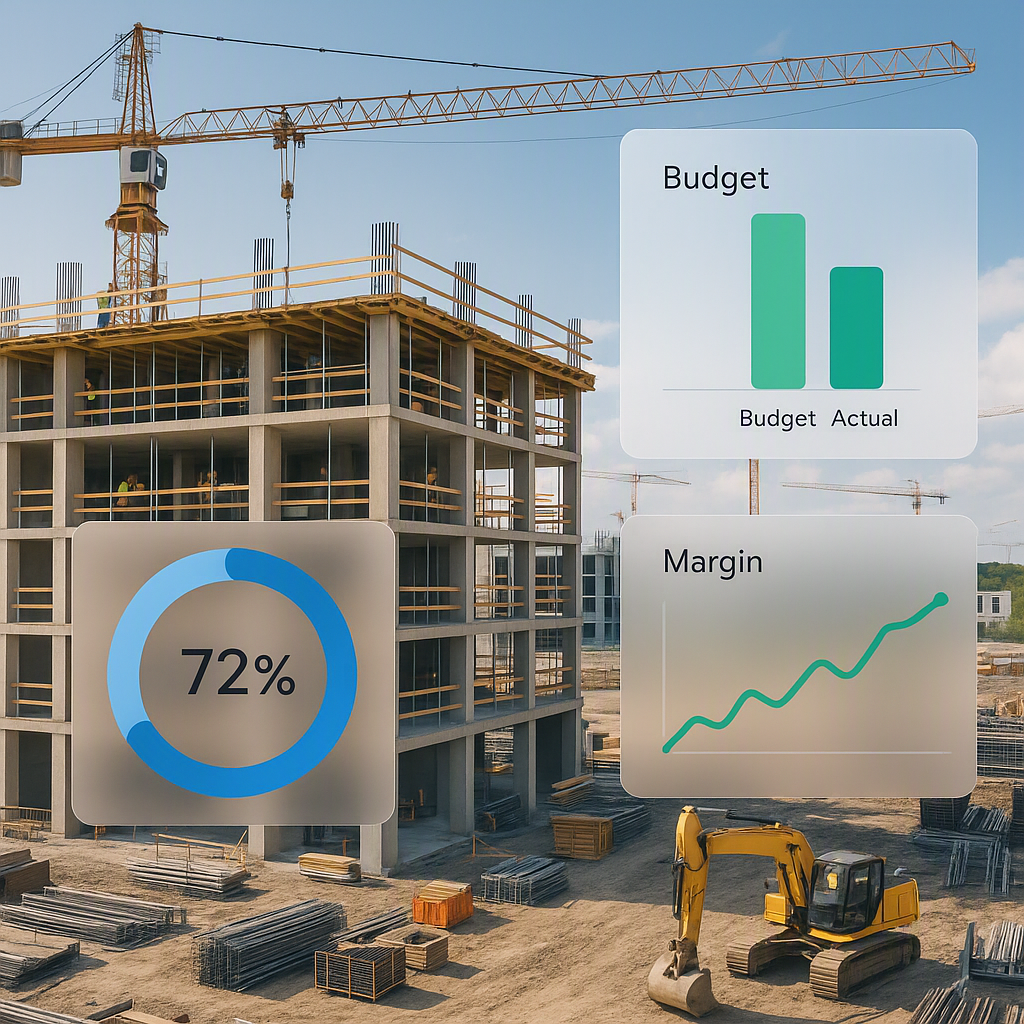
- Dynamic Budget Adjustments: Automated tools can adjust your project budget as new costs roll in. For example, if a material cost spikes, the system recalculates your margins instantly.
This isn’t magic. It’s math and automation working together.
Illustrative Example: Rate Lookup with AI
Imagine you’re pricing a CPWD tender. The BOQ lists 500 line items, and you need to match each to the correct DSR rate. Manually flipping through a 2,000-page PDF takes hours. You’re likely to miss a few and guess others, which leads to errors in your margin calculations.
Now, let’s say you use an AI-powered tool. It scans your BOQ, matches each line item to the correct rate from thousands of SOR items, and applies inflation adjustments in seconds. You’ve just saved significant time — and ensured your rates are accurate. Accurate rates mean your initial profit calculations are solid.
But here’s the kicker: the same tool tracks these rates throughout the project. If material prices jump mid-project, it flags the impact on your margins in real time. That’s actionable insight you can use to renegotiate with clients or adjust elsewhere.
What Happens When You Don’t Track in Real Time?
Let’s flip the scenario.
- Midway through a project, you realize your labor costs are running higher than estimated. But you only catch it during the monthly review. Now, you’re scrambling to cut costs elsewhere — often at the expense of quality.
- A subcontractor sends their final invoice, and it’s significantly higher than their bid. You didn’t track their scope creep during the project, so you’ve got no leverage to dispute it.
These aren’t hypothetical. These are real problems contractors deal with daily. Real-time tracking prevents them.
Common Objections to Real-Time Tracking
You might be thinking:
-
“Isn’t this overkill for smaller projects?”
Not at all. Even on smaller projects, margin errors can lead to significant losses. Tracking profitability isn’t just for mega-projects. -
“My team isn’t tech-savvy.”
Most tools today are designed for ease of use. If your team can handle Excel, they can handle this. -
“I don’t trust automation to get it right.”
That’s fair! Trust builds over time. Many tools let you override any rate or calculation manually. Plus, the system improves with your feedback.
How to Get Started
- Audit Your Current Workflow: How long does it take you to update costs and margins today? If it’s more than a few hours weekly, you need automation.
- Pick a Tool: Look for platforms that integrate AI rate matching, live cost feeds, and dynamic margin tracking.
- Train Your Team: The best tools are useless if your team doesn’t use them. Invest in a one-day training session to get everyone up to speed.
- Start Small: Test real-time tracking on one project. Measure how much time and margin it saves before rolling it out further.
Common Mistakes to Avoid
- Ignoring Small Variances: A small discrepancy might seem insignificant, but multiply that by hundreds of line items, and you’ve got a problem.
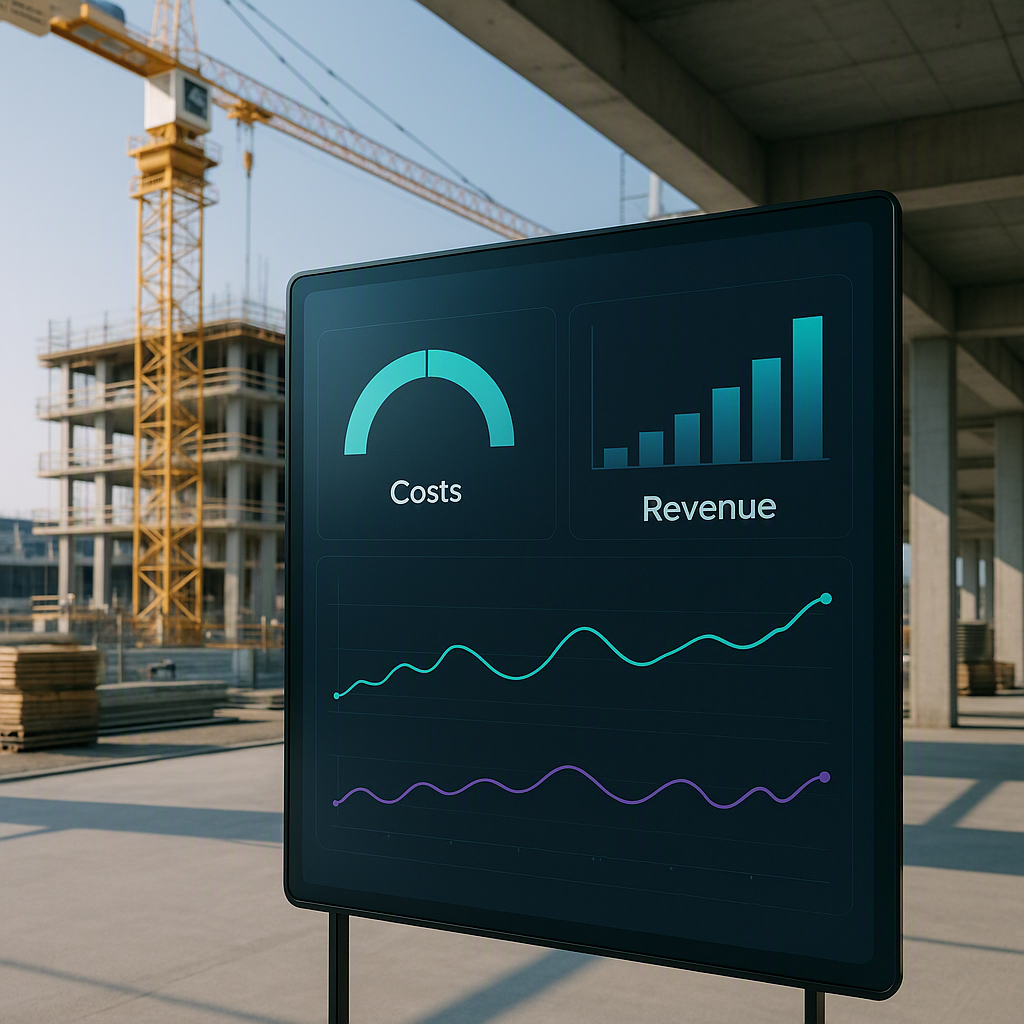
- Overcomplicating Reports: Keep your dashboards simple. Focus on the metrics that matter: costs, revenue, and margins.
- Skipping Manual Checks: Even with automation, review key calculations manually. Automation catches most errors, but human oversight ensures accuracy.
FAQ
Q: Can small contractors afford real-time tracking tools?
A: Many tools are designed to be cost-effective, especially when compared to the potential losses from margin errors.
Q: How accurate are AI-driven rate matches?
A: While automation can be highly accurate, most systems allow manual overrides to ensure precision.
Q: Do real-time tools work with CPWD DSR rates?
A: Yes, many tools include databases with items from CPWD and state SOR catalogs.
Q: What if my project spans multiple countries?
A: Good tools handle multi-region complexities like currencies, tax regimes, and labor rules.
Final Thoughts
Real-time project profitability isn’t just a nice-to-have. It’s a necessity in a volatile construction market. Margins are too tight, and stakes are too high to rely on outdated methods.
If you’re ready to stop guessing and start knowing, explore tools that offer real-time tracking and see the difference it can make for your projects.