The Hidden Cost of Bad Profitability Tracking
If you're a contractor, you know this story too well. You’re halfway through a project, and someone says, "Hey, we’re burning through the budget faster than expected." A frantic meeting ensues. You discover the drywall costs were underestimated, or the sub’s bid didn’t cover the full scope. Now you’re scrambling to fix it, and your margin? It’s gone.
This isn’t just an occasional hiccup. For many contractors, this is the norm. A 2023 McKinsey report found that the average construction project exceeds its budget significantly. Why? Because most teams don’t know they’re bleeding money until it’s too late.
Here’s the truth: real-time project profitability tracking isn’t just a “nice-to-have.” It’s a necessity. And when done right, it can mean the difference between a project that’s profitable and one that’s a complete loss.
The Core Problem: Delayed Cost Feedback
Profitability issues don’t sneak up on you. They build up slowly, hidden in daily site activities, material orders, and sub-contractor changes. But traditional tracking methods—spreadsheets, monthly reports, and weekly site meetings—are too slow to catch them early. By the time you realize there’s a problem, it’s already too late. You’re staring at a negative margin.
Take material costs, for example. Construction material prices can fluctuate significantly due to market conditions. If your rate analysis or procurement process isn’t updating in real-time to account for these spikes, your numbers will be off. And if your numbers are off, your margin is at risk.
Real-Time Profitability Tracking: The Game-Changer
At its core, real-time profitability tracking means knowing where you stand financially at any given moment. Here’s how it works:
-
Live Cost Feeds: Tools can pull real-time data from your project’s BOQ, vendor quotes, and field reports. If your steel prices jump unexpectedly, you’ll know today, not a month later.
-
Dynamic Rate Updates: Let’s say you’re working on a large-scale project. Midway through, you realize that the labor rates in the DSR have increased—but your estimate still reflects last year’s rates. Real-time tools ensure those rates are updated automatically, saving you from underpricing or overpaying.
-
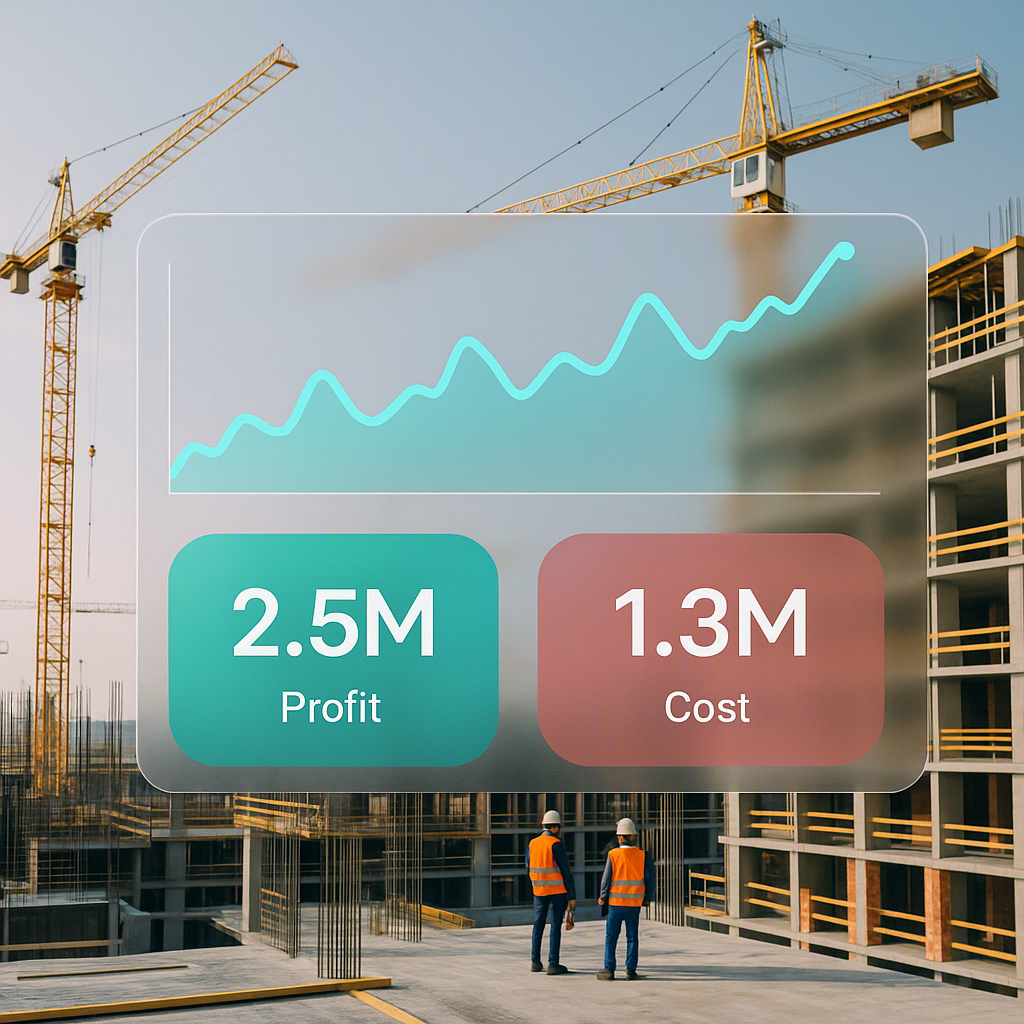
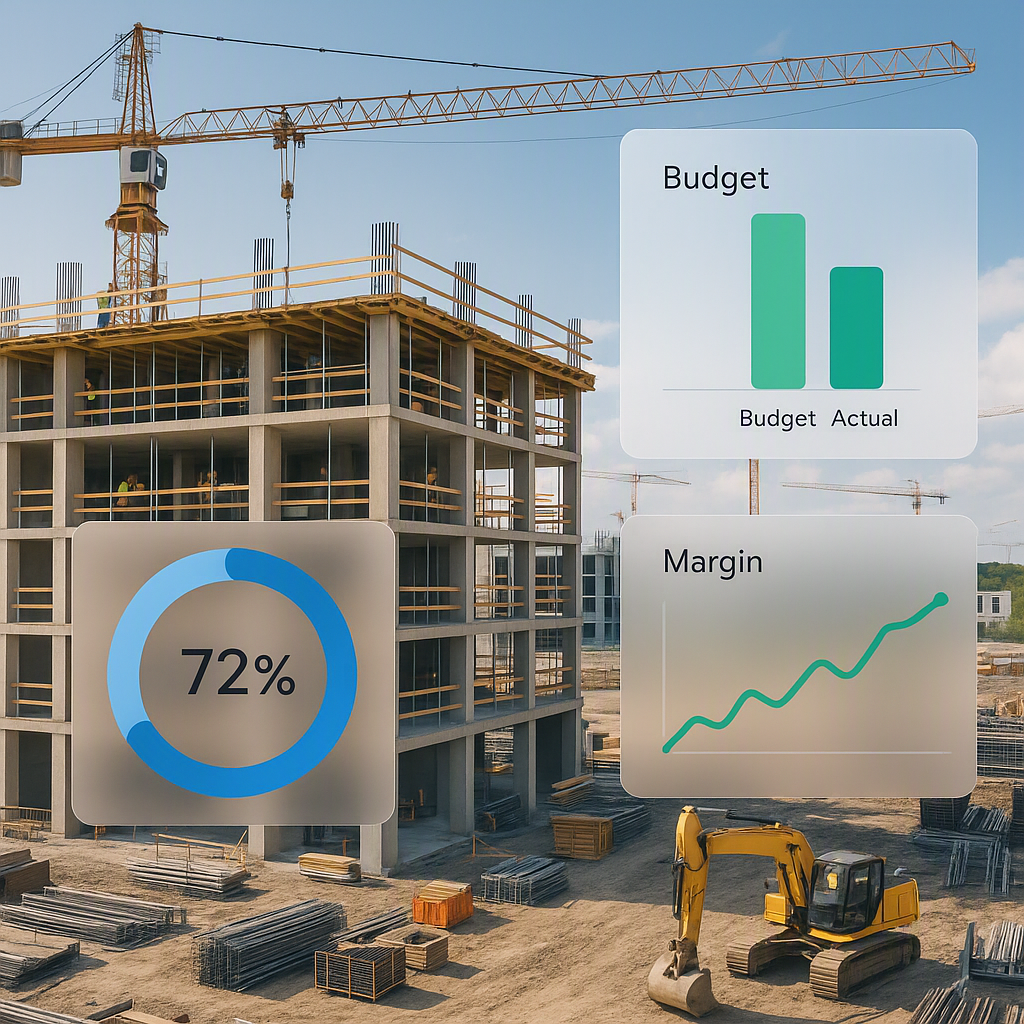
Profitability Dashboards: These tools don’t just track your costs. They show you your profit margin in real-time, broken down by trade, phase, or even specific line items. If your margin dips below a threshold, you’ll get an alert before it’s too late to act.
Illustrative Example — How Real-Time Tracking Can Save Margins
Imagine you’re managing a large commercial project. You upload your BOQ with rates derived from the CPWD DSR. During the project, material costs for cement spike unexpectedly. A real-time tracking tool updates the rates, recalculates the impact on the overall budget, and flags potential lost margin if adjustments aren’t made. This allows you to renegotiate with your supplier and adjust the project’s cost factors for the remaining phases, preserving your margin.
The ROI of Real-Time Tracking
Real-time profitability tracking isn’t just about saving money—it’s about making more of it. Here’s how it helps:
-
Time Saved: Manual cost tracking eats up hours. Automating that process frees up your team for higher-value tasks.
-
Better Decisions: By catching issues early, you can avoid rushed fixes that lead to rework or penalties. This can result in significant savings over time.
-
More Bids, More Wins: Faster tracking means faster estimates. If you can respond to more bids, you’re already ahead of competitors stuck in manual processes.
Common Mistakes in Profitability Tracking
Even the best tools can’t save you if the process is flawed. Here’s what to watch for:
-
Ignoring Small Overruns: Small overruns on large projects may seem minor, but they add up. Track everything.
-
Static Rate Assumptions: DSR or RSMeans rates are a baseline, not gospel. Always adjust for inflation and local market conditions.
-
Not Training Your Team: Tools are powerful, but only if your team knows how to use them. Invest in training.
FAQ
1. Can small contractors afford these tools?
Yes. Many platforms offer flexible pricing plans, making them accessible even for smaller firms.
2. What if I don’t use CPWD DSR rates?
No problem. Modern estimation tools support multiple catalogs, from CPWD DSR to RSMeans and beyond. Choose what works for your region.
3. How accurate are real-time cost estimates?
While no estimate is perfect, modern tools use advanced algorithms to improve accuracy by learning from your past projects and real-world data.
Take Control of Your Margins
If you’re tired of finding out about budget issues after they’ve already eaten your profits, it’s time to take control. Real-time tracking tools can give you visibility into your project’s profitability. Start saving time and protecting your margins today.