The Slow Bleed of Construction Margins
Margins in construction don’t vanish overnight—they erode slowly, one bad decision at a time. A missed procurement discount here. An untracked scope creep there. Before you know it, your project has dipped into red ink. Sound familiar?
Here’s the brutal truth: most contractors are reactive when it comes to profitability. They don’t know a project is losing money until it’s too late to fix it. By the time the final invoice is sent, the damage is done, and the profits are gone.
But what if you could see your margins eroding in real-time—before it’s too late to act?
Why Real-Time Profitability is a Game Changer
Real-time profitability tools allow contractors to monitor project costs and margins as they evolve, providing actionable insights to address issues before they escalate. For example, these tools can alert you to rising material costs or labor overruns, enabling proactive adjustments to budgets or resource allocations.
With the right technology in place, contractors can build contingencies into initial estimates using predictive insights, helping them make smarter decisions and avoid unexpected cost overruns.
How Real-Time Tools Work
The core of real-time profitability tracking lies in continuous data integration. Here’s how it breaks down:
-
Automated Data Inputs: Your profitability tool should pull live data from multiple sources—like your procurement system, labor tracking software, and project schedules. This integration provides a clear picture of your project’s financial health.
-
Dynamic Cost Factor Profiles: Instead of static estimates, you can configure dynamic cost factor profiles. This means your tool automatically adjusts for changes in labor rates, material costs, and overhead percentages as the project progresses.
-
Real-Time Alerts: If labor costs on-site are climbing due to unexpected overtime, a good real-time tool will flag the variance immediately, giving you the chance to adjust resource allocation or renegotiate terms with your client. Without this, you might not catch the issue until you’re reconciling costs at the end of the month.
-
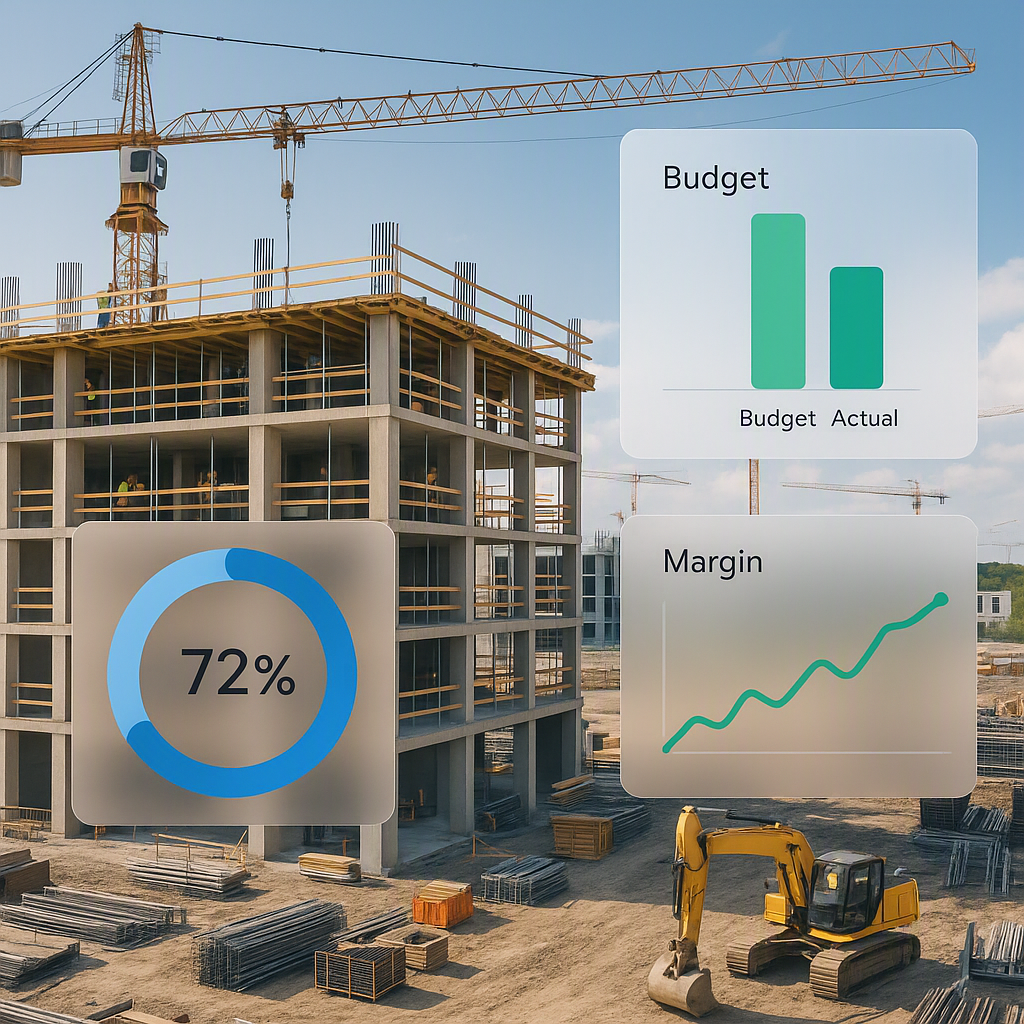
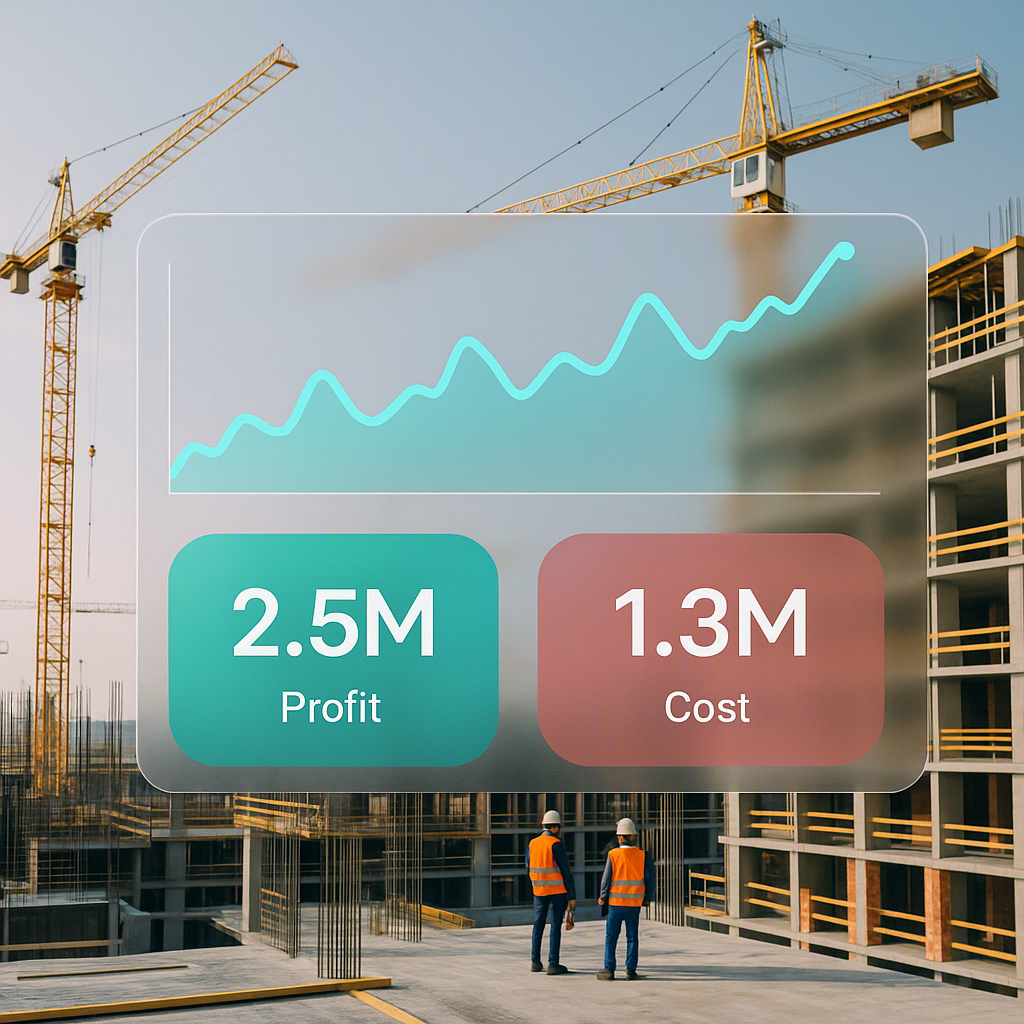
Profitability Dashboards: Forget static spreadsheets. A real-time profitability dashboard shows you exactly where your project stands, with visual indicators for profit margins, cost overruns, and potential risks. It’s like having an instant health check for your project.
Common Challenges (And How to Fix Them)
1. Manual Data Entry
Let’s be honest: Excel is still the default tool for many contractors. But manually updating spreadsheets is time-consuming and error-prone. A single typo in a formula can skew your entire projection.
The Fix: Stop relying on manual methods. Profitability tools automate data entry, pulling information directly from your BOQ, vendor quotes, and project schedules.
2. Delayed Reporting
Most contractors only review profitability once a month, if that. By the time you spot a problem, it’s often too late to fix.
The Fix: Real-time tracking. AI-powered tools provide daily updates on cost variances, so you can act immediately.
3. Scope Creep
Unapproved changes to the project scope can kill your margins. The problem? They’re often not caught until the final reconciliation.
The Fix: Use AI to track scope changes. Profitability tools can compare drawing revisions and flag discrepancies, ensuring you bill for every additional item or adjustment.
Building Smarter Profit Margins
Real-time profitability tools don’t just prevent losses—they help you build smarter bids from the outset. With AI-powered rate analysis, you can:
- Factor in regional labor rates and material costs.
- Add realistic contingencies for inflation and market volatility.
- Adjust profit margins dynamically based on real-time data.
Illustrative example — A contractor pricing a mid-sized project could use real-time tools to identify cost-saving opportunities during execution, potentially improving their profit margins by identifying inefficiencies early.
FAQ
1. Can small contractors afford real-time profitability tools?
Yes, many tools are designed to be accessible to contractors of all sizes. The ROI—both in time saved and margins protected—makes them a worthwhile investment.
2. How accurate are AI-driven rate matches?
AI-driven tools are designed to provide high accuracy in rate matching across various items. However, human oversight remains a best practice to ensure precision.
3. What about multi-country projects?
Market complexities like different tax regimes, labor laws, and currencies are exactly what these tools are designed to handle. Many platforms support multiple geographies within a single project.
Common Mistakes to Avoid
- Ignoring Alerts: Real-time tools are only as good as your response. If you ignore cost variance alerts, you’re defeating the purpose.
- Underestimating Contingencies: Don’t just rely on AI for immediate cost visibility. Use its forecasting features to build in adequate buffers.
- Skipping Training: Even the best tool requires some onboarding. Make sure your team knows how to use it effectively.
The Bottom Line
Profitability isn’t something you check at the end of a project—it’s something you manage every day. Real-time profitability tools give contractors the visibility and insights they need to protect their margins in a competitive industry.
If you’re serious about stopping margin erosion, exploring real-time profitability tools is a step in the right direction. These tools combine AI with practical features like real-time tracking, rate analysis, and scope change detection—all designed to help you stay profitable.