The Construction Margin Problem Nobody Talks About
Margins in construction are razor-thin. For most contractors, they hover between 5% and 10%. A single mistake — a missed scope item, an unexpected cost overrun — can eat into that already small buffer. So why do so many projects still rely on outdated, static spreadsheets for cost tracking?
Here’s the thing: by the time you realize your budget is off track, it’s usually too late to fix it. The damage is done, and your profits are gone. Real-time cost tracking changes that. It gives you immediate visibility into whether you’re on budget or bleeding money. And it’s not just about seeing the numbers. It’s about making faster, smarter decisions to protect your margins.
What Is Real-Time Cost Tracking?
Let’s be clear: real-time cost tracking isn’t just about having a fancy dashboard or an endless stream of notifications. It’s the ability to:
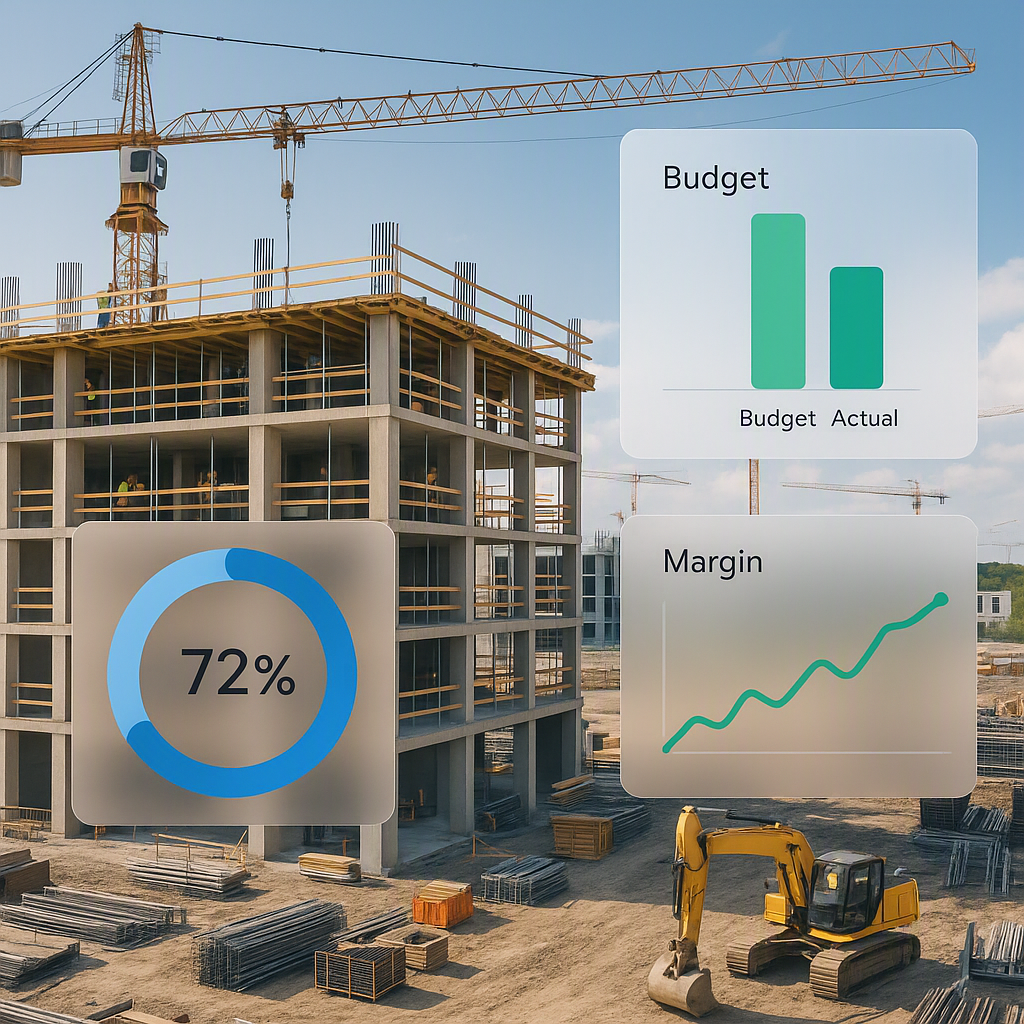
- See actual vs. budgeted costs in real time.
- Identify early warning signs of overspending.
- Adjust your plans on the fly to avoid budget overruns.
Think of it as a GPS for your project’s financial health. If you’re about to miss a turn (or blow through your budget), it alerts you before you go too far off course.
Why Real-Time Tracking Matters More Than Ever
The construction industry faces increasing cost volatility due to fluctuating material prices, labor shortages, and supply chain issues. According to Deloitte’s 2023 Construction Outlook, materials like steel and concrete saw double-digit price increases in recent years. A system that tracks these changes in real time is no longer optional — it’s essential.
Why Traditional Tools Don’t Cut It
Most contractors still use a mix of Excel, Bluebeam, and manual processes. These tools can work, but they’re slow and prone to error. Here’s the typical workflow:
- Manual Data Entry: Costs are logged manually into spreadsheets. This takes time and often contains mistakes.
- Delayed Updates: By the time you update your budget, actual costs may already be days (or weeks) ahead.
- No Real-Time Visibility: Without instant updates, you’re always playing catch-up. You don’t know there’s a problem until it’s too late to fix it.
A recent McKinsey report found that 80% of construction projects exceed their budgets. That’s not surprising when you consider how reactive most cost tracking processes are.
Actionable Steps to Fix This
If you’re still relying on traditional tools, here’s how to start transitioning to real-time cost tracking:
- Audit Your Current Process: Identify bottlenecks in your cost tracking workflow. Are updates delayed? Are errors common?
- Set Up Cloud-Based Systems: Move away from static spreadsheets. Platforms like Procore or EstimateNext offer dynamic, real-time updates.
- Automate Data Entry: Use tools that integrate with your accounting software to automatically pull cost data.
- Train Your Team: Invest in training to ensure your staff understands how to use real-time tracking tools effectively.
A Better Way: Real-Time Cost Tracking with AI Tools
Here’s where tools like EstimateNext can make a difference. Using AI, these platforms track costs as they happen. One feature that stands out is its Rate Lookup Engine, which matches line items in your BOQ (Bill of Quantities) to current rates in seconds.
Imagine this: you’re mid-project, and your material costs spike unexpectedly. With traditional tools, you might not notice the impact until the next progress report comes in. By then, you’re already over budget. But with real-time tracking, you’d know immediately. You could adjust your procurement strategy, negotiate with suppliers, or reallocate resources to stay on track.
Practical Strategies for Using AI Tools
- Rate Monitoring: Use AI tools to continuously monitor material rates and flag deviations.
- Scenario Analysis: Simulate cost impacts of different decisions (e.g., switching suppliers, bulk purchasing).
- Automated Alerts: Set up notifications for when costs exceed thresholds.
- Supplier Optimization: Leverage AI to compare suppliers and find cost-effective alternatives.
Comparison Table: Traditional vs. Real-Time Cost Tracking
| Feature | Traditional Tools | Real-Time Tracking with AI |
|---|---|---|
| Data Entry | Manual, prone to error | Automated, error-free |
| Update Frequency | Weekly or monthly | Instant, real-time |
| Cost Visibility | Reactive | Proactive |
| Decision Speed | Slow | Fast |
| Error Detection | Limited | Advanced AI-based analysis |
What Real-Time Profitability Metrics Look Like
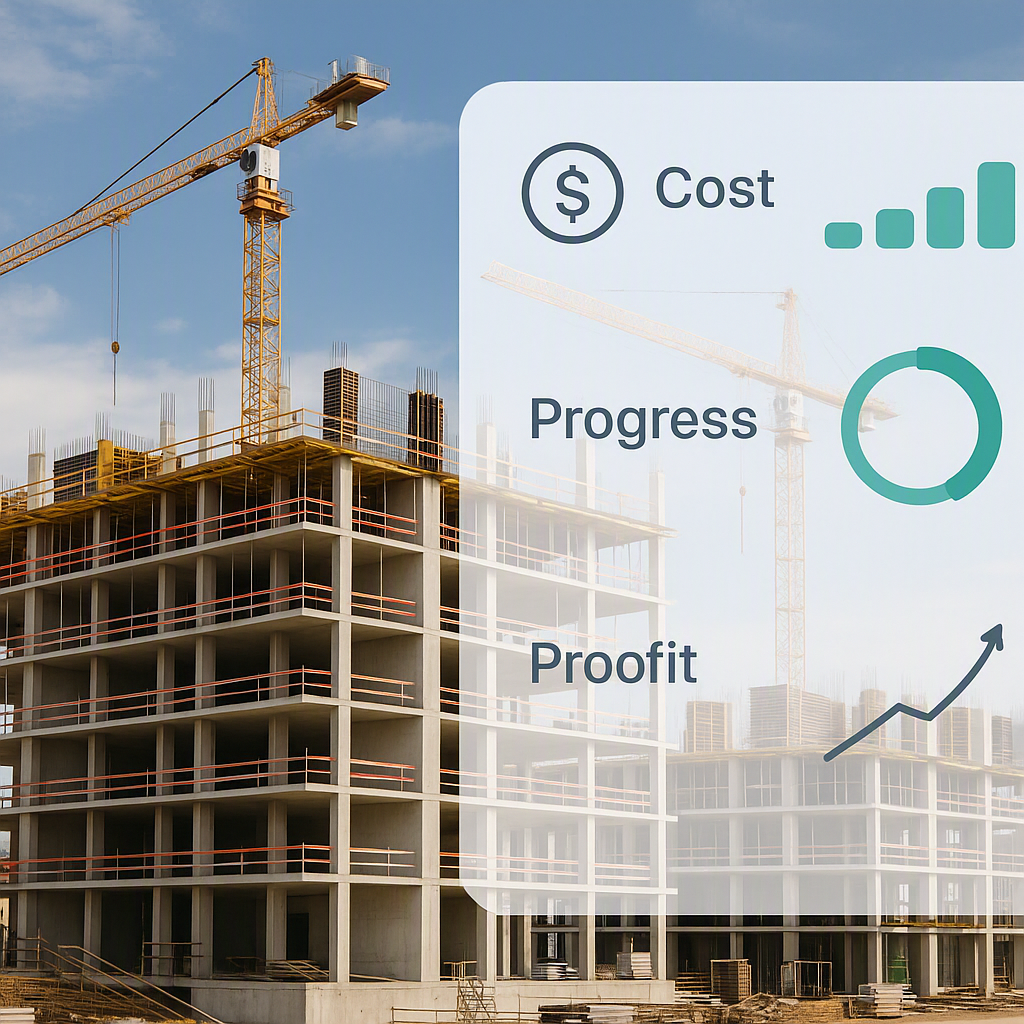
A good real-time tracking system gives you more than just numbers. It provides actionable insights:
- Cost-to-Complete (CTC): How much will it cost to finish the project? If this number starts creeping up, you know something’s wrong.
- Earned Value (EV): Are you getting the value you expected for the money spent? If not, where’s the gap?
- Variance at Completion (VAC): How far off is your final budget projection? This helps you make mid-course corrections.
- Resource Utilization: Is your workforce being deployed efficiently, or are there bottlenecks?
These metrics aren’t just for show. They’re the foundation for making informed decisions that can save you thousands — if not millions — of rupees.
Common Mistakes to Avoid
Even with the best tools, things can go wrong. Here are some pitfalls to watch out for:
- Ignoring Small Overruns: A ₹50,000 overrun might seem minor on a ₹10 crore project. But small overruns add up fast.
- Not Updating Rates: If your rate database isn’t current, your projections won’t be accurate.
- Relying Solely on Software: AI is a tool, not a replacement for human judgment. Always validate its recommendations.
- Neglecting Training: A powerful tool is useless if your team doesn’t know how to use it effectively.
FAQ: Your Questions About Real-Time Profitability
Q: Does this only work for large contractors?
No. Real-time tracking scales to your needs. Whether you’re handling ₹1 crore or ₹500 crore projects, the principles are the same. Small contractors benefit just as much — if not more — because they have less room for error.
Q: How often should I update my data?
With real-time tools, the system updates automatically as new data comes in. If you’re using manual methods, aim for daily updates at a minimum.
Q: Can real-time tracking help with bid pricing?
Absolutely. Knowing your actual costs helps you set more accurate markups, reducing the risk of underpricing or overpricing bids.
Q: What if I don’t trust AI?
It’s a fair concern. AI isn’t perfect, but tools like EstimateNext allow for manual overrides. You can use AI for speed and efficiency, while still applying your expertise to ensure accuracy.
Q: Are there upfront costs for implementing these tools?
Yes, but the long-term savings from avoiding overruns and improving efficiency often outweigh the initial investment. Many platforms offer free trials or tiered pricing to suit different budgets.
The Bottom Line
Real-time project profitability isn’t just a nice-to-have. It’s a must-have if you want to stay competitive in an industry where margins are under constant pressure. Whether you’re a small contractor or a billion-dollar GC, the ability to track costs in real time can transform how you manage projects and protect your profits.
If you’re tired of manual updates, missed overruns, and unpredictable margins, EstimateNext can help. Its AI-driven cost tracking and rate lookup tools are built for real-world construction challenges. Get started free →