Why Procurement Chaos Is Draining Your Profits
Procurement is where construction margins go to die. You know the story. A site raises a material request (MR), but someone forgets to follow up on the RFQ. Vendors send quotes that get buried in emails. POs are delayed because approvals require multiple phone calls. Meanwhile, the project stalls, and you end up overpaying for last-minute purchases. Sound familiar?
It doesn’t have to be this way. Contractors who’ve modernized their procurement processes are saving both time and money. How? By ditching manual workflows in favor of cloud-based construction ERP solutions.
How Cloud ERP Simplifies Procurement
A good ERP system doesn’t just digitize your procurement process—it structures it. Take this example from JobNext, a cloud ERP designed specifically for contractors:
-
Step 1: Material Request (MR) Site engineers raise an MR directly in the system. They can specify quantities, priority levels, and delivery timelines. No more paper forms or WhatsApp messages.
-
Step 2: RFQ Generation The system automatically generates an RFQ and sends it to pre-approved vendors. It tracks who has responded and who hasn’t. No more chasing vendors manually.
-
Step 3: Vendor Offer Comparison Vendor quotes are logged in the system, allowing you to compare rates side-by-side. You can filter by price, lead time, or even past performance metrics.
-
Step 4: PO Creation and Approval Once you select a vendor, the ERP auto-generates the PO. Approval workflows ensure that nothing gets stuck in someone’s inbox. And with role-based access, only authorized users can approve high-value purchases.
-
Step 5: Delivery and Payment Tracking The ERP tracks delivery timelines and payment schedules, ensuring vendors stick to their commitments. Delays? The system flags them automatically.
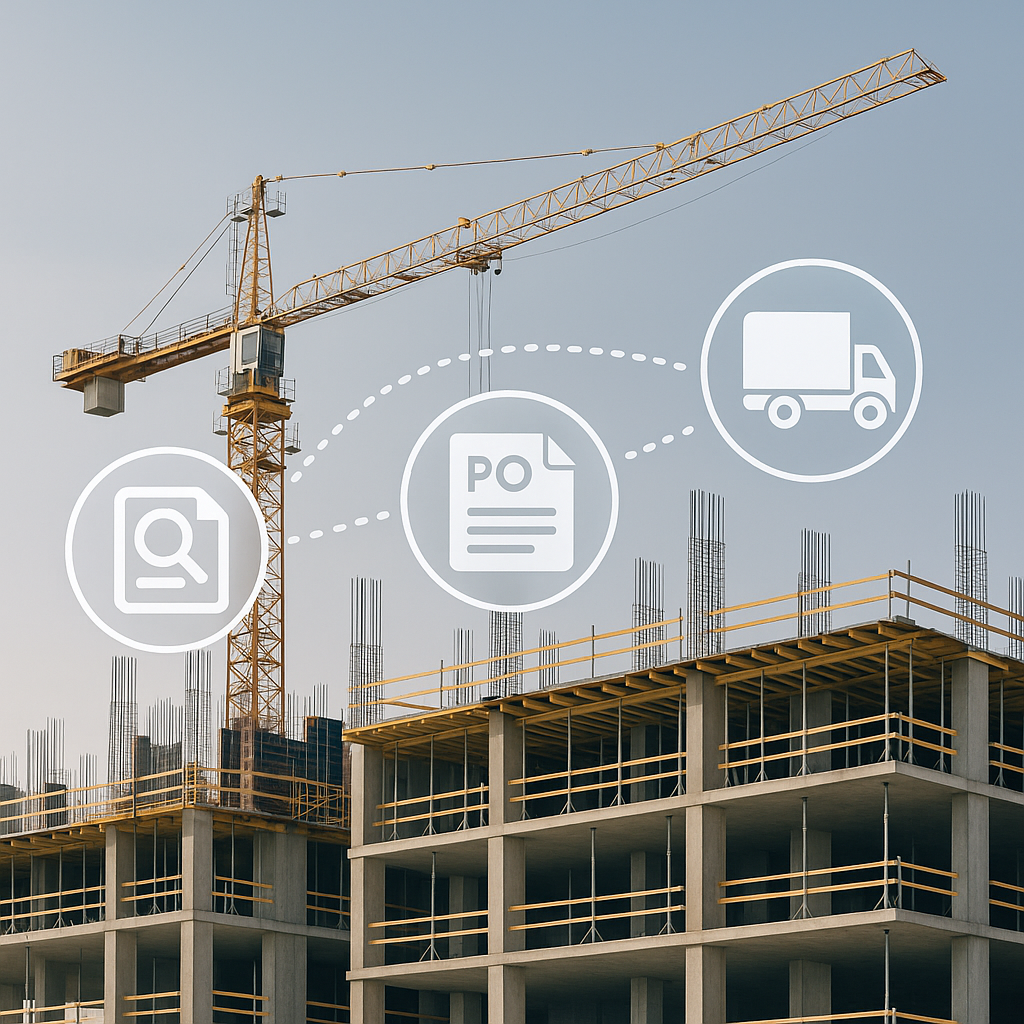
This structured MR → RFQ → Vendor Offers → PO → Delivery workflow isn’t just efficient. It’s essential if you’re managing multiple concurrent projects.
Real Savings From Real Structure
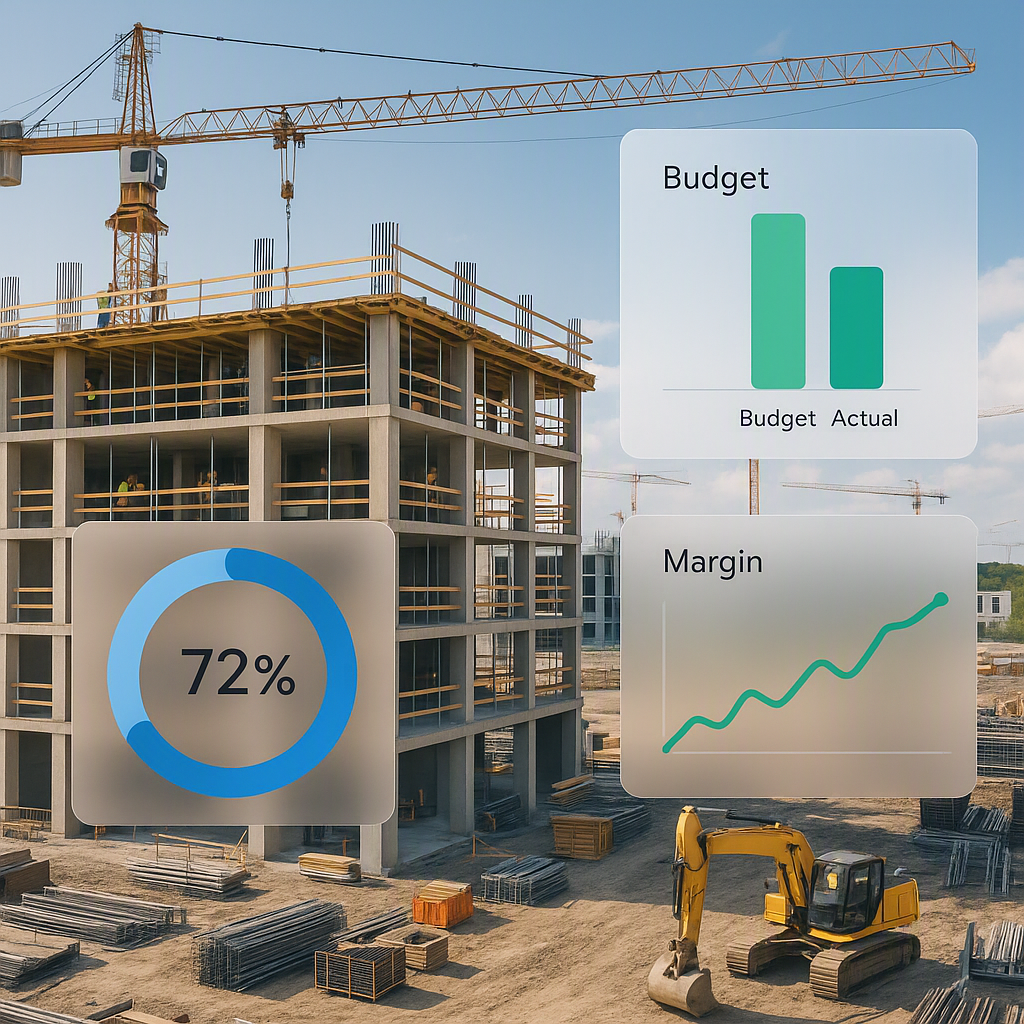
Let’s talk numbers. Manual procurement processes typically account for 5-10% of margin erosion due to delays, overpayments, and missed vendor discounts. Contractors using cloud ERP systems like JobNext have reduced procurement cycle times by 30-40% and cut costs by 10-15%. That’s not a small win—it’s the difference between profit and loss on tight-margin projects.
Why It Matters for Small and Mid-Size Contractors
If you’re running 10+ projects simultaneously, the old way of doing things won’t scale. Manual systems fail because they rely on people remembering to follow up. Cloud ERP fixes this by automating the follow-ups, approvals, and even compliance checks (think GST/TDS in India or VAT in the GCC).
A great example of this is detailed in JobNext’s blog on procurement problems. They describe how a mid-size HVAC contractor in India reduced vendor disputes by 80% just by implementing structured procurement workflows.
What to Watch Out For When Choosing ERP
Not all ERP systems are created equal. Some fail to handle the complexities of construction procurement. When evaluating options, look for:
- Multi-level Approval Workflows: Can the system handle different approval chains for high-value vs low-value purchases?
- Vendor Management: Does it track vendor performance over time?
- Integration with Finance: Does procurement data flow seamlessly into accounts payable?
- Ease of Use: Can site teams adopt it without weeks of training?
Final Thoughts
Procurement chaos isn’t just an operational headache—it’s a financial sinkhole. Cloud ERP systems like JobNext offer a way out with structured workflows that reduce errors, save time, and protect margins. If you’re still relying on spreadsheets and email chains, you’re leaving money on the table.
Want to see how cloud ERP can transform your procurement process? Read JobNext’s guide to stopping profit leaks. It’s a practical breakdown of how contractors are using ERP to plug the gaps in their operations.
Ready to see JobNext in action?
Multi-tenant SaaS ERP for construction, facilities management, and contracting — covering preconstruction, project execution, procurement, HR & payroll, equipment, finance, and 150+ analytics reports.
Get Started Free →