Contractors Are Bleeding Money on Billing Errors
Missed invoices, incorrect billing methods, and manual workflows silently erode margins for small and mid-sized contractors. According to a 2023 McKinsey report, construction companies lose between 3-5% of their revenue annually due to billing inefficiencies. For a contractor generating ₹10 crore, that’s ₹30-50 lakh gone — every year.
This isn’t just a minor inconvenience. That loss could have been reinvested in projects, workforce training, or infrastructure upgrades. Yet, many contractors continue to operate with outdated systems that exacerbate these financial leaks.
The problem isn’t just human error. It’s the systems — or lack thereof. Most contractors either rely on generic accounting software that doesn’t understand construction workflows or use disconnected tools that create information silos. The result? RA bills (Running Account bills) that don’t match progress measurements, stage-wise invoices delayed due to approval bottlenecks, and supply BOQs (Bill of Quantities) left unbilled entirely.
The Hidden Cost of Billing Errors
The financial impact of billing inefficiencies extends beyond lost revenue. Consider these hidden costs:
- Delayed Cash Flow: Inaccurate or late billing leads to delayed payments from clients, causing cash flow constraints.
- Disputes and Litigation: Incorrect invoices can result in disputes, damaging client relationships and even leading to legal costs.
- Operational Bottlenecks: Manual workflows waste valuable employee time that could be spent on high-impact tasks.
For example, a mid-sized contractor in Bangalore reported that over 20% of their billing staff’s time was spent reconciling errors caused by disconnected systems. This inefficiency cascaded into delayed supplier payments and project overruns, costing the company an estimated ₹15 lakh annually in penalties and lost client goodwill.
Why Multi-Tenant ERP Is the Solution
Multi-tenant ERP (Enterprise Resource Planning) platforms are purpose-built to address these inefficiencies. Unlike on-premise systems or single-tenant SaaS, a multi-tenant architecture ensures every contractor gets their own isolated environment while benefiting from shared updates and scalability. This matters for billing because:
1. Unified Workflows
Multi-tenant ERP integrates billing with project management, procurement, and subcontractor tracking. For example, JobNext allows contractors to manage six billing methods — RA Bills, stage-wise, monthly, supply BOQ, combined, and one-time — all within the same platform. No more jumping between tools or spreadsheets.
Actionable Steps to Implement Unified Workflows:
- Map Your Processes: Identify all billing methods your company uses and ensure the ERP platform supports them.
- Integrate Related Functions: Link procurement, project timelines, and subcontractor activities directly to billing workflows.
- Train Your Teams: Ensure your project managers, finance teams, and site engineers are trained on the new system.
For instance, a contractor in Pune used JobNext to unify their workflows. By linking procurement with billing, they identified ₹12 lakh in unbilled materials over a single quarter.
2. Approval Chains
Role-based access and configurable approval workflows ensure no invoice is issued without validation. This is especially critical for contractors juggling multi-site operations, where billing approvals often get stuck in email threads or WhatsApp messages.
Key Features of Approval Workflows:
- Role-Based Permissions: Only authorized personnel can approve specific billing stages.
- Audit Trails: Every approval is logged, creating a transparent record.
- Automated Notifications: Alerts ensure approvals don’t get delayed.
A case study from a Hyderabad-based contractor showed that implementing automated approval chains reduced invoicing delays by 40%, freeing up cash flow for ongoing projects.
3. Real-Time Monitoring
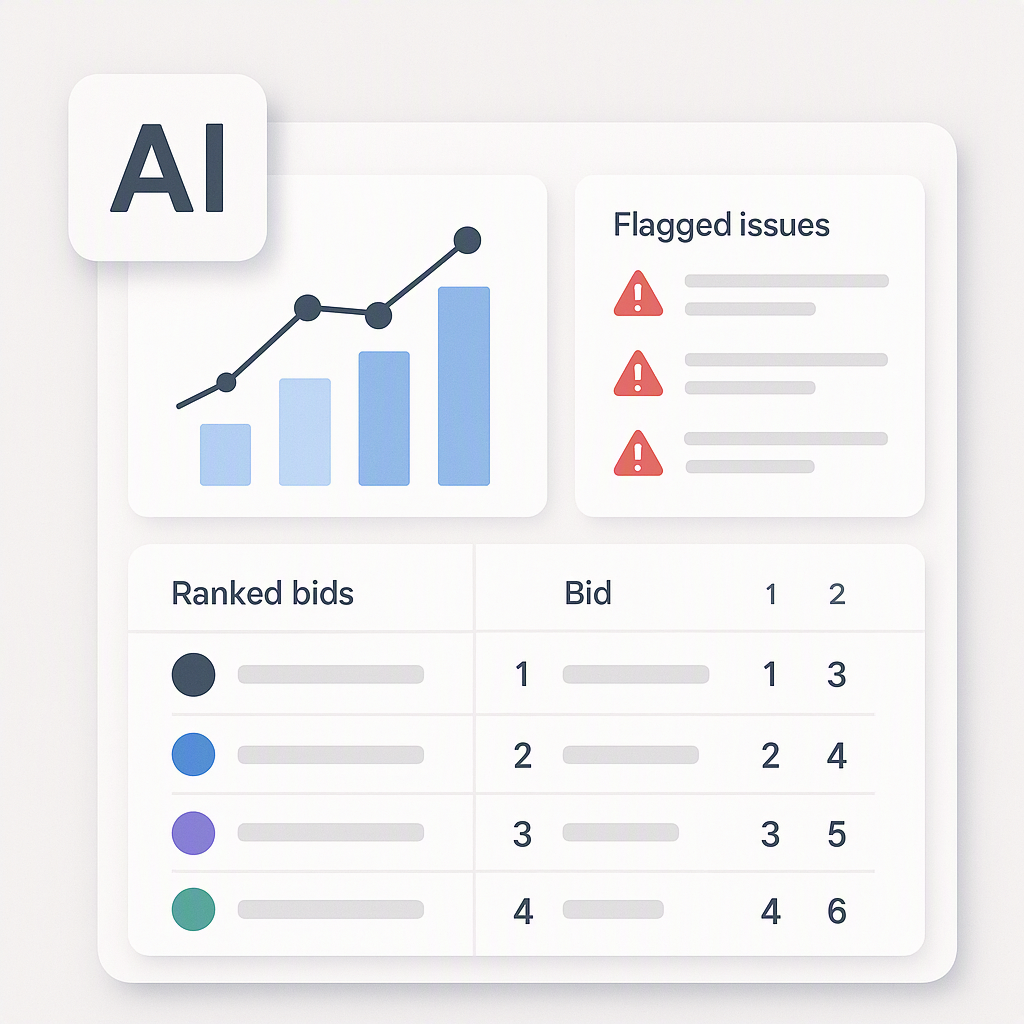
With dashboards showing every invoicing status, contractors can immediately spot revenue leakage. JobNext’s analytics module, for instance, flags unbilled work, overdue invoices, and mismatched measurements.
Benefits of Real-Time Monitoring:
- Proactive Issue Resolution: Spot and fix errors before invoices are sent.
- Data-Driven Decisions: Use analytics to optimize billing cycles.
- Accountability: Real-time visibility ensures teams stay on track.
A Practical Example: RA Billing
The Problem
Here’s a scenario many contractors face:
- A subcontractor finishes 80% of their assigned scope, and measurements are recorded.
- The site team prepares an RA bill but forgets to include extra work done outside the BOQ.
- The finance team, disconnected from project-level updates, issues a partial invoice.
The Solution
With JobNext’s platform, this chain of errors is eliminated. The system ensures:
- Measurement data flows directly into the RA bill preparation.
- Supervisors validate the scope completion before invoices are generated.
- Finance teams see real-time project updates, avoiding mismatches.
The result? Accurate, timely billing that protects margins. For example, a contractor in Delhi reported a 15% reduction in billing disputes within the first three months of using JobNext.
Why Generic Tools Fail
You might be wondering: Can’t contractors just use Tally or QuickBooks for invoicing? Not really. Generic accounting software is great for statutory compliance but terrible for project-specific workflows. For instance:
Limitations of Generic Tools:
- No RA Billing Support: Tally doesn’t support RA billing or stage-wise invoicing tied to construction progress.
- Lack of Integration: These tools can’t link subcontractor and procurement workflows to billing processes.
- Manual Data Handling: Without automation, manual errors are inevitable.
This gap is why specialized construction ERPs like JobNext exist. As highlighted in Why CMIS ERP Misses the Mark for Contractors, generic tools often fail to address industry-specific pain points, leading to revenue leakage.
Multi-Tenant ERP: Scalability Matters
Another advantage of multi-tenant architecture is scalability. As contractors grow, their billing complexity increases. Multi-tenant ERP ensures:
Features That Enable Scalability:
- Custom Configurations: Each tenant can customize workflows, approval chains, and billing methods without affecting others on the platform.
- Shared Infrastructure: Contractors benefit from regular updates, improved features, and better security without managing the infrastructure themselves.
For example, a growing contractor in Chennai expanded from ₹5 crore to ₹20 crore in annual revenue within three years. They credited their ERP system for seamlessly scaling their operations without additional overhead.
Decision Framework: Multi-Tenant ERP vs. Generic Tools
| Feature | Multi-Tenant ERP | Generic Tools |
|---|---|---|
| RA Billing Support | Yes | No |
| Stage-Wise Invoicing | Yes | No |
| Integration with Procurement | Yes | Limited |
| Scalability | High | Moderate |
| Cost Efficiency | Long-Term Savings | Upfront Low Cost |
The Bottom Line
Billing errors aren’t just a nuisance; they’re a silent margin killer. Multi-tenant ERP platforms like JobNext offer the structure, visibility, and integration contractors need to fix the chaos. In my view, this isn’t just the future — it’s the standard contractors will need to adopt to survive.
If you’re dealing with billing inefficiencies, JobNext can help. Explore JobNext ERP →
FAQ
Q: How does multi-tenant ERP differ from single-tenant ERP? A: Multi-tenant ERP shares infrastructure but isolates each company’s data. Single-tenant ERP requires dedicated resources for every organization, making it harder to scale.
Q: Is multi-tenant ERP secure? A: Yes. Platforms like JobNext use independent data stores for each tenant, ensuring complete data isolation.
Q: Can multi-tenant ERP handle Indian and GCC compliance? A: Absolutely. JobNext supports dual GST for India and GCC VAT, along with statutory deductions like PF and ESI.
Q: What’s the ROI on adopting multi-tenant ERP? A: Contractors typically save 3-5% of their revenue annually by fixing billing errors alone, not counting savings from procurement and HR integration.
Q: How quickly can contractors implement multi-tenant ERP? A: Implementation timelines depend on company size and modules adopted, but most contractors can go live in 6-12 weeks.