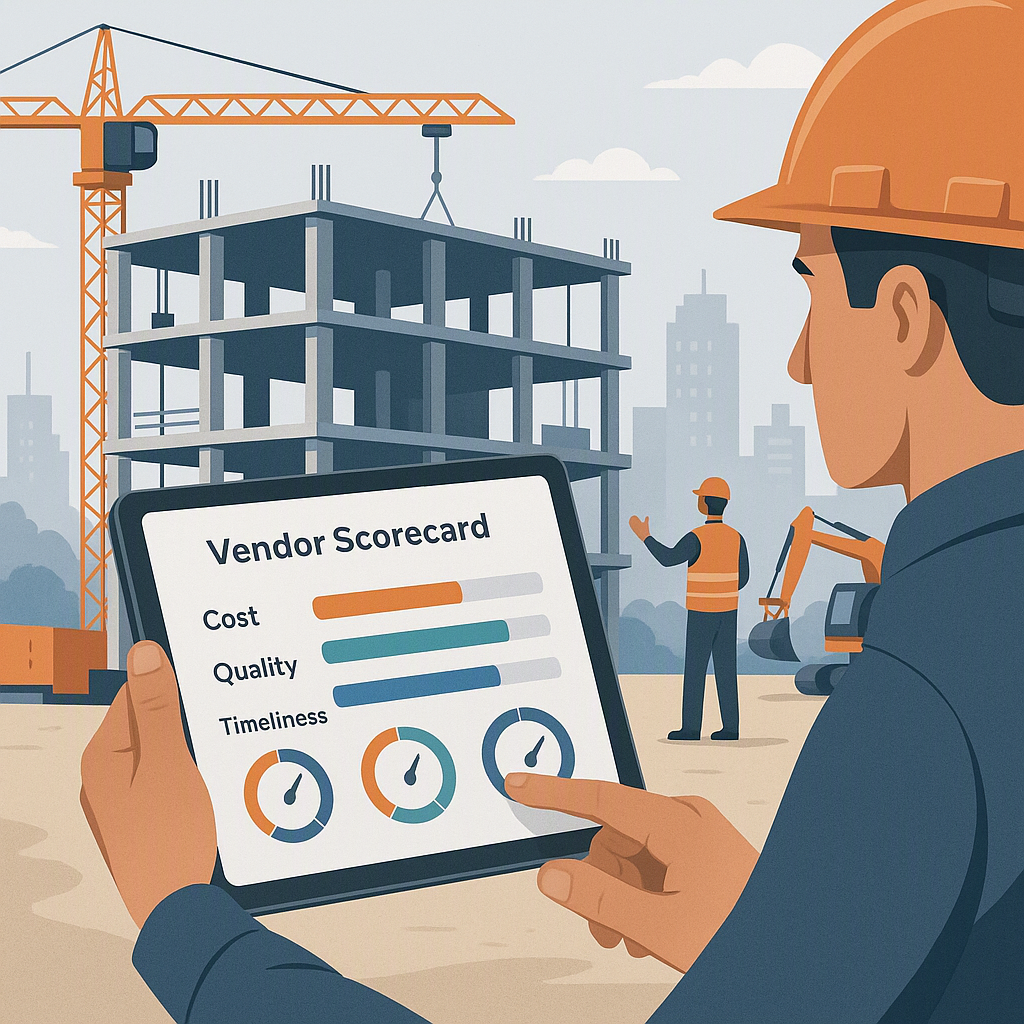
Subcontractor Onboarding: Where Most Contractors Go Wrong
We’ve all seen it before. A subcontractor shows up on-site, work begins, and a week later, the first issues creep in. Missing documents. Scope disagreements. Safety violations. By the time the dust settles, you’ve lost time, money, and trust. Why does this keep happening?
Most contractors treat onboarding like a box-ticking exercise. Collect a COI (Certificate of Insurance), distribute safety manuals, and call it a day. But onboarding isn’t about checking boxes. It’s about ensuring every subcontractor is ready to deliver on time, on budget, and without compliance headaches. In fact, a 2026 guide from SoftNext emphasizes how thorough subcontractor onboarding is essential to avoid costly delays. If you’re not thorough upfront, you’ll pay for it later. Disputes, project delays, and safety incidents all trace back to poor onboarding.
The Checklist That Actually Works
Here’s a practical, step-by-step checklist to get your subcontractors ready for success. This isn’t fluff—this is exactly what we’ve seen work on real projects.
1. Verify Compliance Documents
Before a subcontractor sets foot on-site, you need these documents in hand:
- Certificate of Insurance (COI): Check coverage limits and expiration dates. Missing this exposes you to liability.
- W-9 Form (or equivalent for your region): Essential for tax reporting.
- Safety Program Documentation: OSHA compliance or local safety standards. If they don’t have a program, you’ve got a problem.
- Licenses and Certifications: Trade-specific licenses, especially for skilled trades like electrical, HVAC, and plumbing.
- Signed Subcontractor Agreement: This isn’t just a formality. It should clearly define scope, payment terms, and dispute resolution processes.
How to streamline document collection: Use digital tools to automate this step. Platforms like EstimateNext allow you to collect, verify, and organize all compliance documentation in one place. This reduces the risk of errors and ensures you have everything you need before work begins.
Why it matters: Missing or incomplete documentation is a recipe for delays and legal trouble. For example, a lack of proper insurance can leave you footing the bill for accidents. In the U.S., OSHA has reported that construction’s “Fatal Four” hazards—falls, struck-by objects, electrocutions, and caught-in/between—account for over 60% of construction-related deaths. This makes safety compliance even more critical for protecting your bottom line and avoiding liability.
2. Align on Scope and Deliverables
Scope gaps are the silent killers of project timelines. If everyone isn’t on the same page about who is doing what, you’re setting the stage for finger-pointing later. Here’s how to avoid it:
- Scope Review Meeting: Walk through the scope line by line with all stakeholders. Invite project managers, subcontractors, and any relevant team members to ensure complete clarity.
- Deliverables Checklist: Define what “done” looks like for every task. This ensures no ambiguity about the quality or completeness of work.
- Change Order Process: Establish how changes will be handled. Make this crystal clear. Document the process in the subcontractor agreement and reinforce it during the kickoff meeting.
Pro Tip: Use a tool like EstimateNext to align scopes before work begins. It can automatically parse subcontractor agreements and ensure the scope matches the bid documents. Their AI-powered matching tool reduces scope gaps by highlighting discrepancies before they become issues.
3. Safety Orientation
Safety isn’t just about compliance—it’s about avoiding injuries, which can delay projects and lead to costly lawsuits. Here's how to build a thorough safety program:
- Site-Specific Safety Plan (SSSP): Customize this to your project’s unique risks. For example, if your site involves significant crane activity, add detailed protocols for crane safety.
- Safety Orientation Session: Make attendance mandatory. Cover site rules, emergency procedures, and PPE requirements. Consider providing a checklist or quiz to ensure subcontractors understand key points.
- Equipment Training: Ensure subs are trained on any site-specific equipment they’ll use. This could include forklifts, scissor lifts, or specialized tools.
Why it matters: According to OSHA, safety violations on construction sites can lead to substantial fines, with penalties reaching up to $15,625 per violation in 2023. Beyond the financial cost, safety incidents can damage your reputation and delay project timelines, potentially costing you even more in the long run.
4. Pre-Mobilization Meeting
This is your chance to confirm everyone is ready to hit the ground running. Key agenda items include:
- Schedule Alignment: Confirm start dates, milestones, and deadlines. Ensure all parties have access to updated schedules in your project management software.
- Site Access: Distribute ID badges, parking passes, and access codes. Double-check that subcontractors know where to park and how to enter the site.
- Material Delivery Plans: Coordinate with subcontractors to schedule deliveries. Too many deliveries at once can lead to logistical chaos.
- Communication Protocols: Set expectations for daily check-ins, reporting, and escalation procedures. Clearly designate a point of contact for each subcontractor.
5. Tech Setup and Integration
In 2026, there’s no excuse for not leveraging technology to simplify subcontractor management. If you’re still relying on spreadsheets and email chains, you’re making life harder than it needs to be.
- Digital Onboarding Portals: Use a platform like EstimateNext or JobsNext to collect and verify documents digitally. These tools often include automated compliance checks, saving you hours of manual work.
- ERP Integration: Ensure subcontractor data flows seamlessly into your project management system. For example, syncing subcontractor schedules with tools like Procore can improve coordination.
- Field Collaboration Tools: Apps like PlanGrid or Autodesk Build can keep everyone on the same page by centralizing drawings, RFIs, and progress updates.
6. Kickoff Meeting
The kickoff meeting isn’t just a formality—it’s your chance to set the tone for the entire project. Here’s what to cover:
- Project Overview: Reiterate the project’s goals, key milestones, and budget constraints.
- Roles and Responsibilities: Clarify who is responsible for what. Include both subcontractors and your internal team.
- Risk Management: Identify potential risks and how they’ll be mitigated. For example, discuss contingency plans for weather delays or material shortages.
- Open Forum: Give subs a chance to ask questions and voice concerns. This helps to surface potential issues early.
7. Ongoing Monitoring
Onboarding doesn’t end when work begins. Regular check-ins and updates are essential to keep everything on track.
- Weekly Progress Reports: Use a standardized template to capture updates. Include details on completed tasks, upcoming milestones, and any issues encountered.
- Site Inspections: Regularly inspect work for quality and safety compliance. Document any violations and require corrective actions.
- Performance Reviews: Provide feedback and address issues promptly. Consider using a scoring system to evaluate subcontractor performance over time.
Comparison Table: Manual vs. Digital Onboarding
| Feature | Manual Onboarding | Digital Onboarding |
|---|---|---|
| Document Collection | Paper forms, prone to errors | Automated, reduces manual effort |
| Compliance Verification | Time-consuming, error-prone | Automatic alerts for missing info |
| Communication | Emails, phone calls | Centralized in one platform |
| Progress Tracking | Manual updates | Real-time dashboards |
| Risk of Errors | High | Low |
Common Mistakes to Avoid
- Skipping the Fine Print: Don’t rush through subcontractor agreements. A vague contract today is a dispute waiting to happen.
- Ignoring Past Performance: Always check references and past project history. A sub who caused issues on another job is likely to do it again.
- Poor Communication: If subs don’t know what’s expected, they can’t deliver. Over-communication is better than under-communication.
- Neglecting Safety: A single safety incident can derail your entire project. Don’t cut corners here.
Conclusion
Onboarding isn’t just about getting subs on-site—it’s about setting them up for success and protecting your project from unnecessary risks. Get it right, and you’ll save time, money, and headaches. Get it wrong, and you’ll spend the entire project playing catch-up.
If you're tired of juggling documents and chasing subs for updates, EstimateNext can help. From scope alignment to compliance tracking, it’s built for how construction actually works. Get started free →