The Silent Killer: BOQ Rate Variance
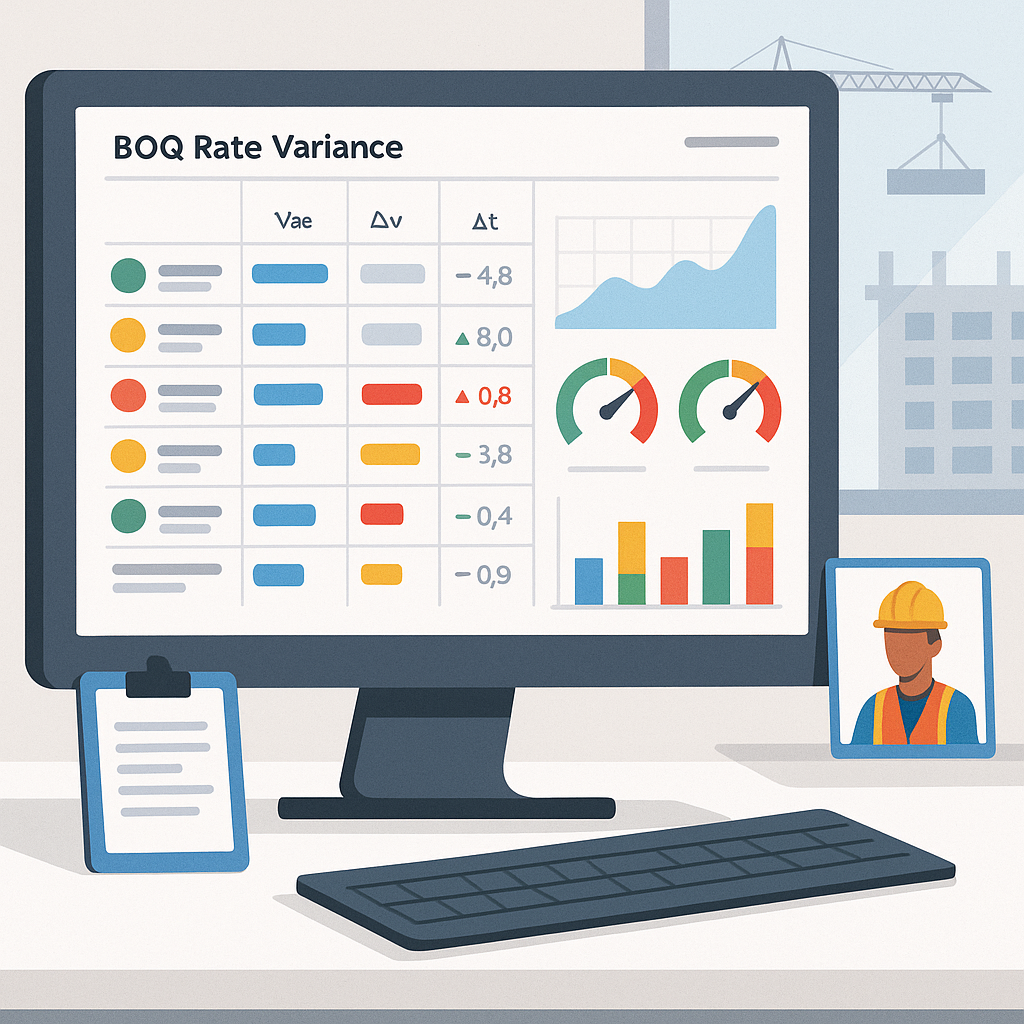
Cost overruns in construction are like termites. You don’t notice them until the damage is done. And one of the biggest culprits? BOQ (Bill of Quantities) rate variance. Let’s break it down.
You start a project with an estimate. It looks solid. But as the work progresses, actual costs begin to drift from what you planned. Maybe labor costs spike, material rates go up, or subcontractors submit inflated claims. Before you know it, your profit margin has vanished.
Why does this happen? Because most contractors don’t have the tools to track rate variance in real time. They’re relying on spreadsheets or outdated software that only shows them the damage after it’s too late to fix.
What is BOQ Rate Variance?
Before we dive deeper, let’s define what we’re talking about. A BOQ (Bill of Quantities) is a detailed document that lists the materials, labor, and other resources required for a construction project along with their estimated rates. BOQ rate variance occurs when the actual cost for any of these items deviates from the rate specified in the BOQ.
For instance, if your BOQ specifies a rate of ₹6,000 per tonne of cement, but your procurement team ends up paying ₹6,500 per tonne, that ₹500 difference is your rate variance. Multiply that by the number of tonnes used, and you could be looking at a significant overrun.
Real-World Examples of BOQ Rate Variance
1. HVAC Contractor Overrun
I worked with a mid-size HVAC contractor last year. Their project estimates were accurate on paper. But six months into a ₹12 crore job, they discovered their material costs had exceeded the BOQ by 15%. Why? The procurement team didn’t check if vendor invoices matched the agreed rates. Multiply that across hundreds of line items, and the result was a ₹50 lakh overrun. Ouch.
2. Infrastructure Project Delay
A large civil contractor working on a ₹100 crore highway project faced ₹8 crore in additional costs due to fluctuating steel prices. While their BOQ had accounted for basic rate adjustments, they didn’t have real-time tracking to flag the variance. By the time they realized, the project was delayed, and penalties for late delivery added another ₹2 crore to their woes.
3. Residential Builder Misstep
A residential developer constructing a ₹30 crore apartment complex ignored labor rate variances. Their BOQ assumed a daily labor rate of ₹600, but market conditions pushed it to ₹750. Over 12 months, this seemingly small variance cost them an additional ₹1 crore.
Why Does BOQ Rate Variance Happen?
-
Market Fluctuations:
- Material prices like cement, steel, and timber are subject to market forces. A sudden surge in demand or supply chain disruption can spike prices overnight.
-
Inefficient Procurement Processes:
- Vendors may charge inconsistent rates, especially if procurement teams fail to cross-check invoices against agreed BOQ rates.
-
Inaccurate Estimation:
- Initial estimates may fail to account for potential price increases or project-specific challenges.
-
Lack of Real-Time Monitoring:
- Many contractors rely on outdated tools like spreadsheets or post-mortem accounting reports, which don’t provide actionable insights during the project.
How to Stop BOQ Rate Variance in Its Tracks
1. Audit Your BOQ Process
Start by asking yourself:
- Are you currently tracking rate variance?
- How often do you review actual costs vs. BOQ estimates?
Conduct a detailed audit of your current process. Identify blind spots where rate variances could go unnoticed. For example, are invoices being matched to BOQ rates before payments are processed?
2. Invest in Real-Time Tools
Spreadsheets are error-prone and disconnected from real-world execution. Modern tools like JobNext specialize in real-time BOQ rate tracking. Key features to look for include:
- Automated rate validation: Ensures purchase orders and invoices align with BOQ rates.
- Variance analysis: Flags cost overruns immediately.
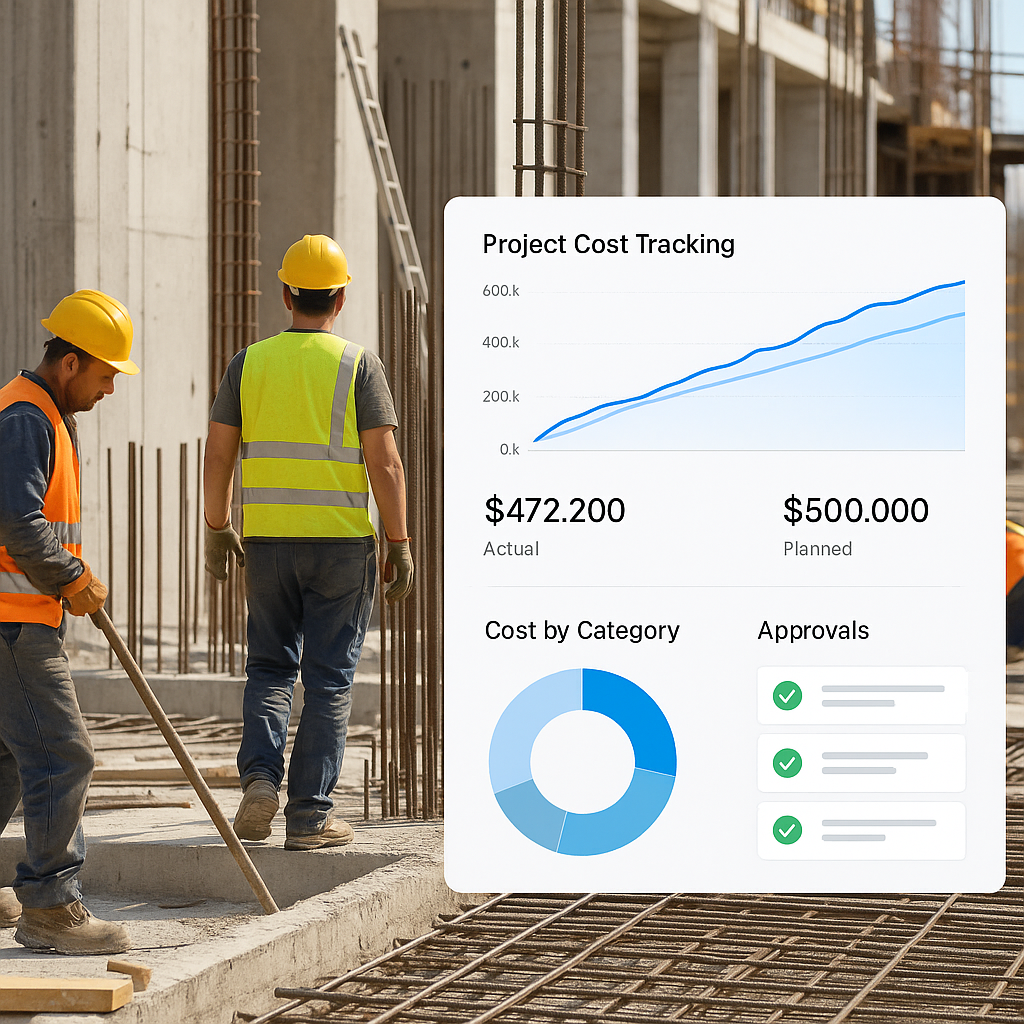
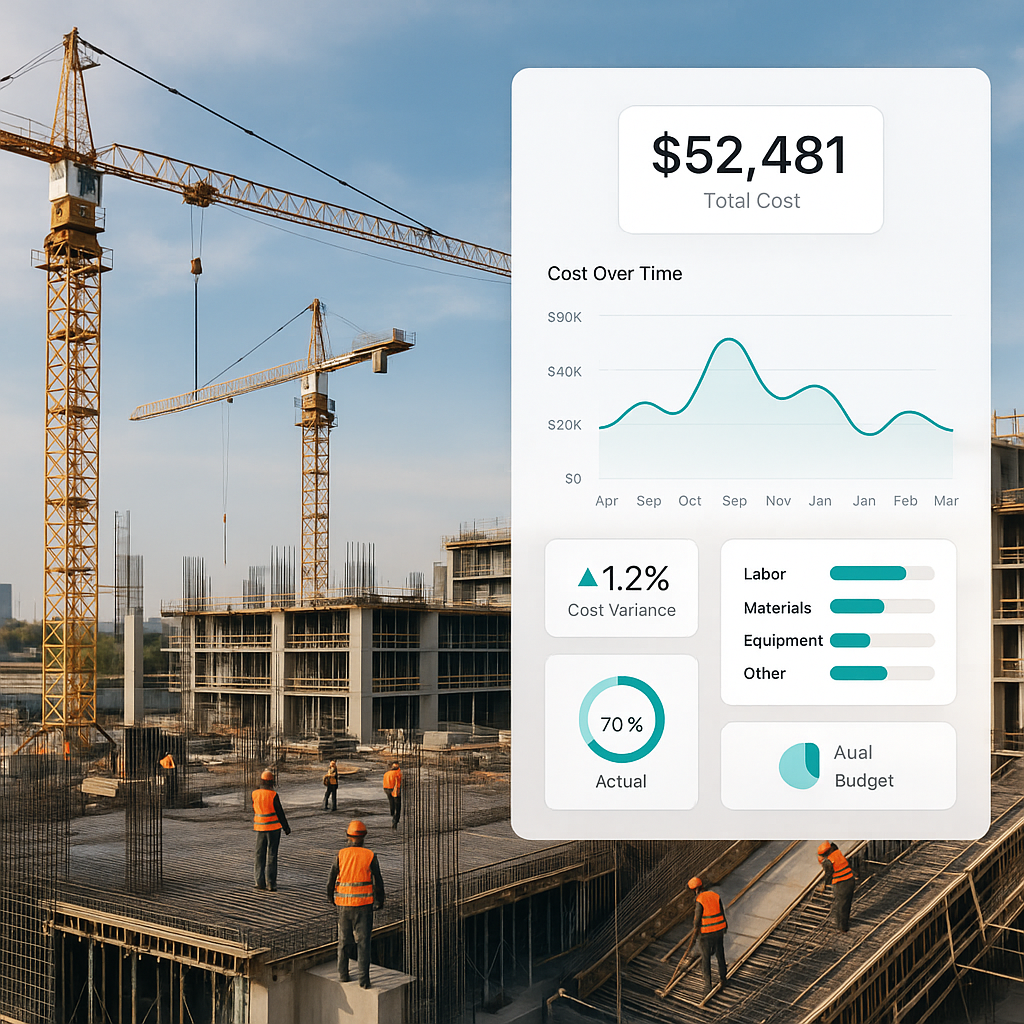
- Comprehensive dashboards: Provide a bird’s-eye view of your project health.
3. Train Your Team
Even the best tools won’t help if your team isn’t on board. Train your estimators, procurement staff, and project managers to:
- Prioritize BOQ rate discipline.
- Recognize the financial impact of even small rate variances.
- Use dashboard insights to make proactive decisions.
4. Negotiate Vendor Contracts
Lock in rates for critical materials and services wherever possible. Include clauses for penalties if vendors breach agreed terms. This reduces the risk of unexpected rate hikes.
5. Monitor Daily, Not Monthly
Cost tracking shouldn’t be a monthly ritual. Set up systems to track rates daily. For example, a daily report showing budget vs. actual costs for labor, materials, and equipment can help you intervene before variances escalate.
A Practical Case for Real-Time Tracking
Let’s say the scheduled rate for cement is ₹6,000/tonne. If your procurement team starts buying at ₹6,500/tonne, a tool like JobNext flags the variance immediately. This allows you to:
- Re-negotiate with the vendor.
- Find an alternative supplier.
- Adjust your project budget and timeline accordingly.
Without real-time tracking, this variance might only be discovered during a month-end review, by which time the damage is already done.
Comparison Table: Spreadsheets vs. Real-Time Tools
| Feature | Spreadsheets | Real-Time Tools (e.g., JobNext) |
|---|---|---|
| Data Accuracy | Prone to errors | Highly accurate and automated |
| Time to Detect Variance | Weeks or months | Instant |
| Integration with Procurement | Limited | Seamless |
| Scalability | Poor | Excellent |
| Decision-Making Support | Minimal | Robust |
FAQ
1. How can I track BOQ rate variance without expensive tools?
While real-time tools are ideal, you can start by:
- Setting up clear processes for cross-checking invoices against BOQ rates.
- Creating a manual variance tracker in Excel for key items like cement, steel, and labor rates. However, this approach is time-consuming and prone to human error.
2. What’s the biggest mistake contractors make with BOQ management?
Treating cost tracking as an afterthought. Many contractors wait for monthly or quarterly reports to review costs. By then, it’s too late to course-correct. Daily monitoring is essential.
3. How do I convince my team to adopt new tools?
- Highlight the financial risks of ignoring BOQ rate variance.
- Showcase success stories from other organizations.
- Offer hands-on training to make adoption easier.
4. Can BOQ rate variance be eliminated completely?
No, but it can be minimized significantly. Market fluctuations and unforeseen issues will always exist, but with the right tools and processes, you can reduce their impact on your margins.
5. What’s the ROI of investing in real-time tracking tools?
The ROI can be substantial. For example, avoiding a ₹50 lakh overrun on a ₹12 crore project represents a 4.2% margin improvement. Over multiple projects, the savings can easily justify the cost of the tool.
Final Thoughts
Cost overruns aren’t inevitable. They’re the result of blind spots in your process. With the right tools and discipline, you can protect your margins and avoid the ₹50 lakh surprises that keep contractors up at night.
If this resonates, JobNext can help. Their real-time BOQ rate tracking and variance analytics are designed specifically for contractors managing multi-site projects. Learn more →
Learn more at JobNext.ai