5 Hidden Profit Killers in Construction Projects (And How to Fix Them)
Margins in construction are razor-thin. For small to mid-size contractors, losing even 5% on a project can mean the difference between turning a profit and taking a painful loss. While everyone talks about cost overruns and delays, the real profit killers are often less obvious — buried under layers of manual processes, disconnected systems, and inefficiencies.
Let’s dive deeper into the five hidden culprits behind profit erosion and, more importantly, actionable strategies to fix them. This expanded guide includes real-world examples, in-depth comparisons, and answers to common questions practitioners ask.
1. Budget Blindness: No Real-Time Cost Tracking
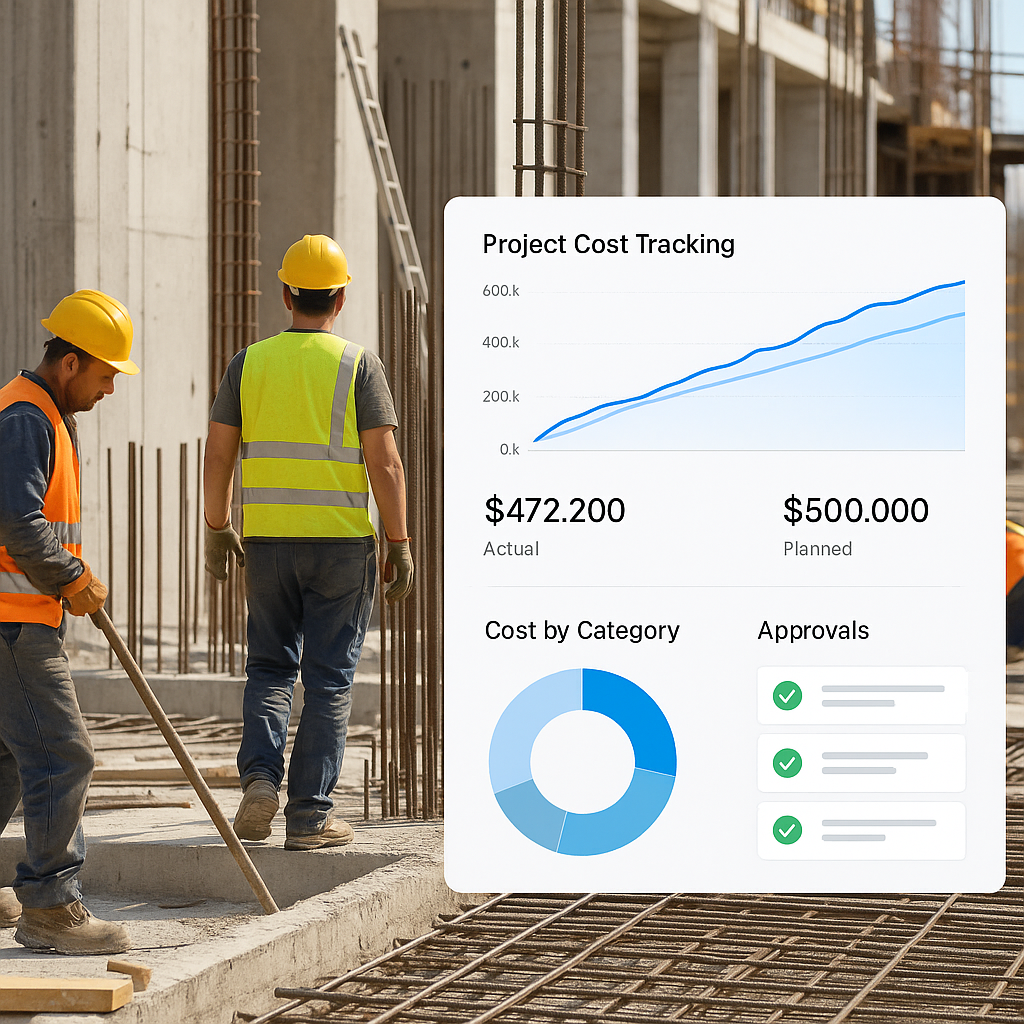
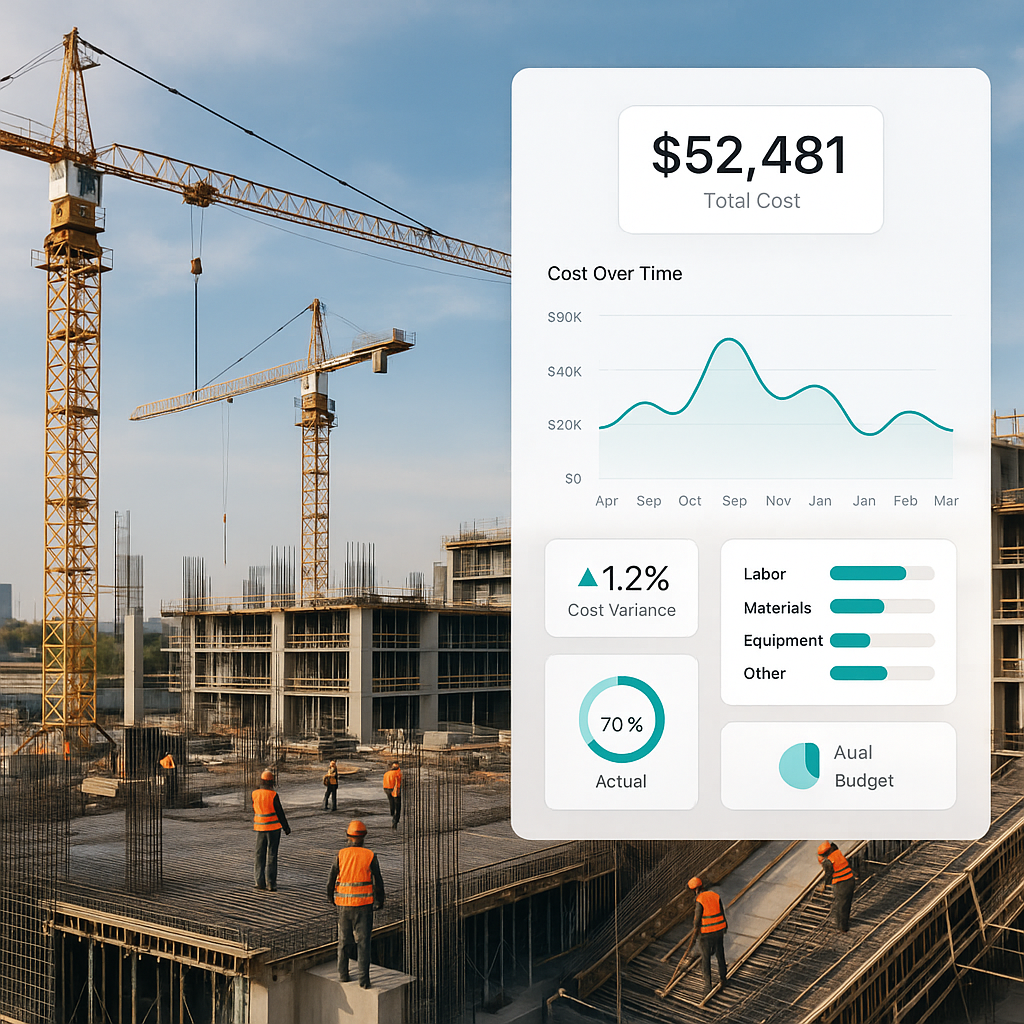
You might think your project is on budget — until it isn’t. Budget overruns don’t happen overnight. They creep in slowly, line item by line item, until your project is bleeding cash. The problem? Most contractors are reactive when it comes to cost tracking.
The Problem:
Take the BOQ (Bill of Quantities), for example. Many contractors only review BOQ profitability at the end of a project. By then, it’s too late to course-correct. You end up absorbing the loss instead of mitigating it.
The Solution:
Real-time cost tracking tools, like JobNext’s BOQ Margin analysis, flag negative-margin items weekly. These tools allow you to compare quoted, scheduled, budgeted, and actual rates for every BOQ item. This level of visibility lets you take corrective action mid-project instead of waiting for month-end reports.
Real-Life Example:
A mid-size contractor working on a ₹4 crore residential project noticed a ₹10 lakh discrepancy in BOQ margins halfway through construction. Using JobNext to track costs weekly, they identified that material wastage was driving up costs on specific items. By implementing stricter inventory controls, they saved ₹7 lakh by project end.
Actionable Steps:
- Weekly BOQ Margin Reviews: Schedule weekly margin analysis meetings with your project team.
- Compare Budget vs. Actuals: Use tools that give granular visibility into every line item.
- Set Alerts for Overruns: Automate notifications for negative-margin items to act quickly.
2. Procurement Chaos: Manual Workflows Bleed Money
Procurement is often the Achilles’ heel of construction projects. Manual workflows, such as tracking material requests (MRs), vendor quotes, and purchase orders (POs) via emails or WhatsApp chats, lead to delays, errors, and unauthorized spending.
The Problem:
Disorganized procurement leads to higher costs due to late approvals, missed bulk pricing opportunities, and uncontrolled spending. For example, last-minute material purchases often result in higher rates and rushed logistics.
The Solution:
A structured procurement workflow enforces budget validation on every material request. Systems like JobNext consolidate requests across projects, enabling contractors to negotiate bulk pricing with vendors. Additionally, automated workflows ensure POs don’t exceed the approved budget.
Real-Life Example:
One contractor specializing in commercial interiors saved ₹25 lakh annually by switching to a workflow-driven procurement system. By consolidating requests across six active projects, they negotiated a 12% discount on bulk orders for steel and cement.
Actionable Steps:
- Centralize Material Requests: Use a single platform to track all MRs and approvals.
- Bulk Purchasing: Consolidate requests across projects to leverage vendor discounts.
- Set Spend Limits: Implement automated budget checks for every PO.
3. Subcontractor Overruns: Poor Progress Tracking
Subcontractors are indispensable for most construction projects, but they’re also one of the biggest sources of cost overruns. Without proper progress tracking, you risk overpaying for incomplete or substandard work.
The Problem:
Measurement-based billing is often overlooked, leading to disputes over completed work and payments. Contractors end up paying for work that wasn’t finished or wasn’t up to spec.
The Solution:
Tie subcontractor payments directly to measured quantities. Systems like JobNext enforce measurement-based progress tracking, ensuring payments align with actual work completed. Retention and recovery controls further protect contractors from paying for substandard work.
Real-Life Example:
A contractor building a 200-unit apartment complex reduced subcontractor disputes by 80% by implementing measurement-based billing. They standardized work measurements across teams, ensuring payments were accurate and transparent.
Actionable Steps:
- Standardize Measurements: Use clear, agreed-upon metrics to track progress.
- Reconcile Materials: Verify subcontractor material usage before processing bills.
- Enforce Retention: Hold back a percentage of payments until final inspections.
4. Disconnected Systems: Data Silos Hide Problems
Many contractors use disconnected tools for tendering, project management, billing, and payroll. While these tools might work individually, they create data silos that hide problems and multiply errors during manual data transfers.
The Problem:
When systems don’t talk to each other, critical insights are lost. For example, a cost overrun in procurement might not be flagged until it shows up in project execution — when it’s too late to fix.
The Solution:
An integrated ERP system like JobNext unifies data across tendering, execution, billing, and payroll. This “single source of truth” reduces errors, improves efficiency, and provides actionable insights in real time.
Real-Life Example:
A contractor managing 12 active projects reduced manual errors by 60% after switching to an ERP system. By integrating tendering and execution data, they identified ₹8 lakh in duplicate material orders.
Actionable Steps:
- Invest in Integration: Choose platforms that unify project, finance, and HR data.
- Automate Reports: Generate dashboards that combine procurement, billing, and payroll data.
- Track KPIs: Monitor margins, material wastage, and subcontractor payments in one place.
5. Compliance Gaps: Forgetting the Fine Print
Compliance is rarely top of mind for contractors, but it’s a silent profit killer. GST mistakes, expired bank guarantees, and missed statutory deductions can result in massive fines and penalties.
The Problem:
Non-compliance can erode profits overnight. For example, a missed GST filing can incur penalties that wipe out margins for an entire project.
The Solution:
Automated compliance tools simplify GST/TDS calculations, track bank guarantees, and provide expiry alerts. Systems like JobNext integrate with accounting platforms like Tally to ensure regulatory deadlines are met.
Real-Life Example:
A contractor operating in India avoided ₹3 lakh in penalties by using compliance tracking tools to flag missed GST filings.
Actionable Steps:
- Automate Compliance: Use software that calculates GST/TDS automatically.
- Track Guarantees: Set alerts for bank guarantees nearing expiry.
- Run Monthly Reports: Regularly review compliance reports to catch issues early.
Fixing What’s Broken
Construction projects lose money due to a combination of poor cost tracking, chaotic procurement, subcontractor mismanagement, disconnected systems, and compliance oversights. The good news? These are all fixable problems.
If your team is struggling with any of these issues, tools like JobNext can help streamline processes, reduce errors, and improve profitability. Learn more about how JobNext works →
FAQ
Q: How does real-time cost tracking improve profitability?
A: It gives you instant visibility into budget vs. actuals, so you can address overruns before they snowball. Weekly reviews ensure negative-margin items are flagged and corrected early.
Q: Can JobNext work for small contractors?
A: Absolutely. It’s designed for contractors managing projects of all sizes, from small to large, with teams ranging from 50 to 2000 employees.
Q: What’s the ROI of an integrated ERP?
A: Typical ROI comes from fewer manual errors, faster approvals, and better margin control. One contractor saved ₹25 lakh/year by consolidating workflows into a single system.
Q: How can I reduce subcontractor disputes?
A: Standardize measurement-based billing and reconcile materials before processing payments. Clear agreements on metrics reduce disputes by ensuring transparency.
Q: What happens if I miss compliance deadlines?
A: Missed deadlines can result in fines, penalties, and loss of reputation. Automating compliance tracking ensures deadlines are met and errors are minimized.
Comparison Table: Key Features of JobNext vs. Manual Processes
| Feature | Manual Processes | JobNext ERP |
|---|---|---|
| Real-Time Cost Tracking | Reactive, post-month-end reviews | Weekly margin analysis |
| Procurement Workflow | Disorganized, email-based | Automated, budget-validated |
| Subcontractor Management | Disputes over progress tracking | Measurement-based billing |
| System Integration | Data silos, manual re-entry | Unified across departments |
| Compliance Tracking | Prone to human error | Automated alerts and reporting |
By addressing these hidden profit killers, contractors can protect margins and scale their businesses sustainably.
Learn more at JobNext.ai