EPC Contractors Are Bleeding Margins — Here's the Brutal Truth
EPC (Engineering, Procurement, and Construction) projects are high-stakes. Margins hover between 5-10% at best, and one misstep — a delayed procurement order, an unapproved subcontractor claim, or an unbilled scope — can erase profits entirely. Cost overruns aren’t just a possibility; they’re an inevitability if you’re not tracking costs in real time.
I’ve seen it happen too many times. A mid-size HVAC contractor in Oman lost ₹50 lakh on a single project because their BOQ (Bill of Quantities) didn’t match the billing. They billed for 90% of the work but paid out 110% in costs. Why? Their systems were disconnected. The BOQ wasn’t locked, measurements weren’t tracked properly, and unauthorized changes crept in.
This isn’t rare. A McKinsey report found that large construction projects typically run 80% over budget and take 20% longer to complete than planned. For smaller contractors, the stakes are even higher because they can’t absorb these losses.
The Real Problem: No Real-Time Visibility
Many EPC contractors still rely on Excel or outdated ERPs for cost tracking. The result? By the time you realize you're over budget, the damage is already done. Real-time project profitability tracking isn’t a luxury; it’s survival.
What Happens Without Real-Time Visibility?
- Delayed Reactions: By the time you notice cost overruns, it’s often too late to fix them. For instance, if subcontractor costs are reconciled at the end of the month, you might miss ongoing issues like duplicate work orders or unbilled changes.
- Scope Creep: Unauthorized changes to the BOQ can silently bleed margins. A site engineer might approve additional work without proper documentation, leaving you footing the bill.
- Inaccurate Forecasting: Without live data, forecasting cash flow and resource needs becomes guesswork, increasing the risk of project delays and penalties.
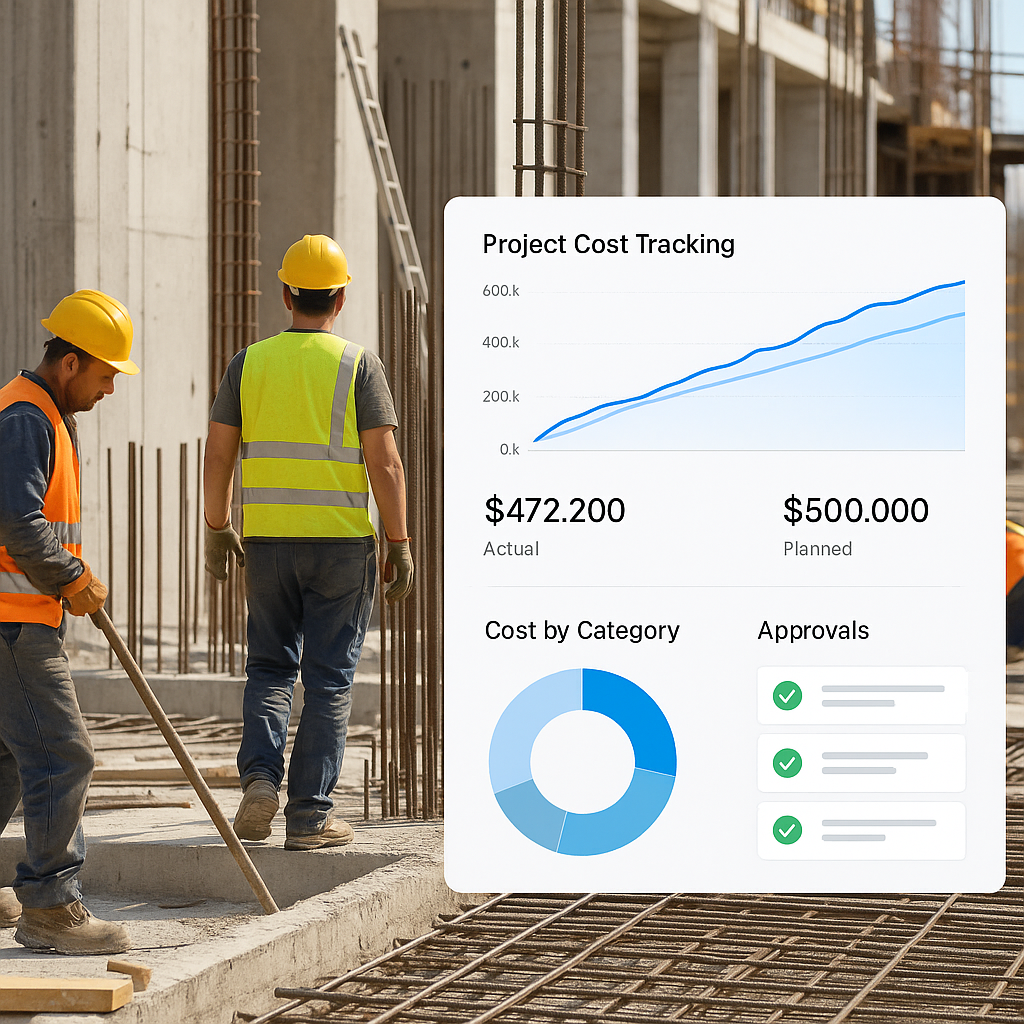
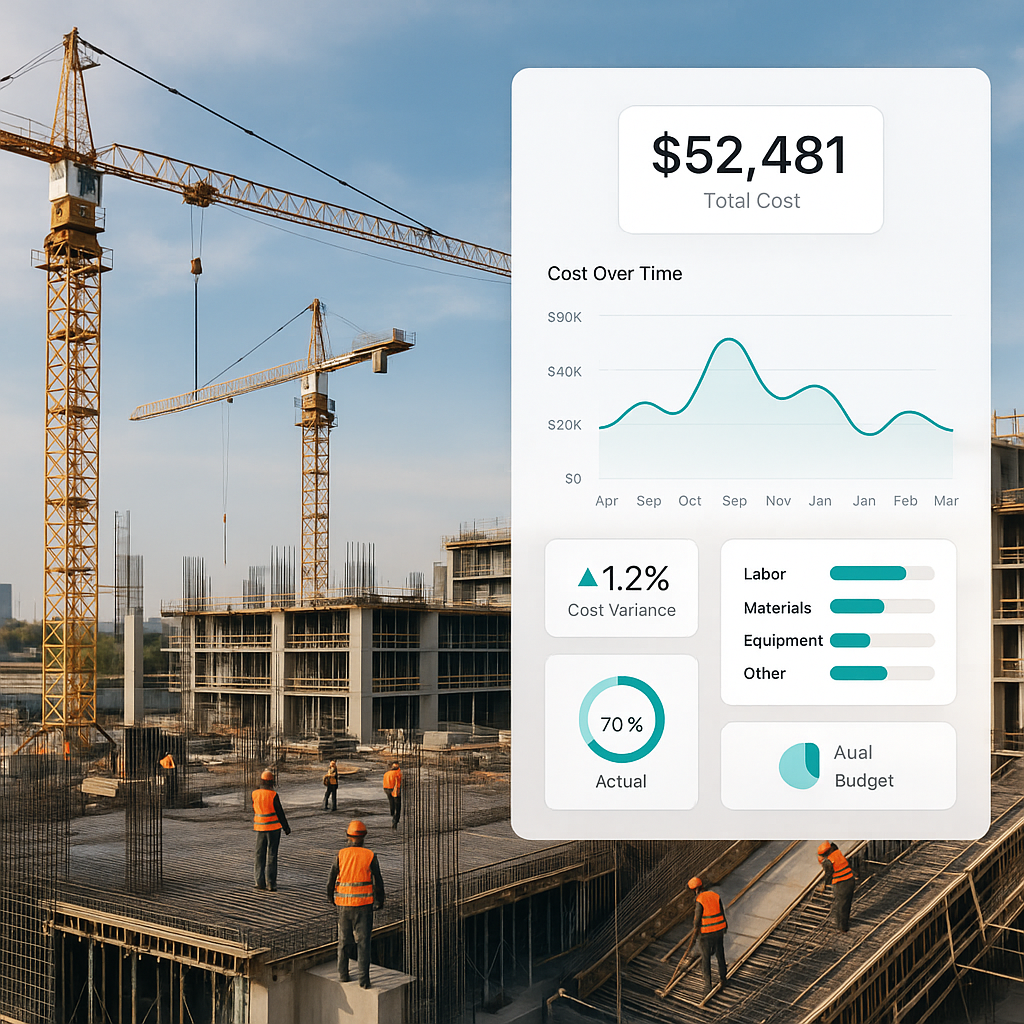
Here’s where systems like JobNext come in. Instead of waiting until the end of the month to reconcile costs, JobNext gives you a live view of project profitability. From BOQ-level tracking to subcontractor payments and billing, everything flows through a single system. No manual reconciliations. No surprises.
Practical Example: BOQ Locking and Measurement-Based Billing
One of the biggest culprits of cost overruns is unauthorized BOQ changes. A site engineer decides to deviate from the plan, adds extra work, and suddenly your costs spike. Without a locked, auditable BOQ, this is impossible to control.
Actionable Steps to Avoid BOQ-Related Losses:
- Lock the BOQ at the Contract Stage: Ensure the BOQ is finalized and signed off before any work begins. This prevents unauthorized modifications during execution.
- Use Measurement-Based Billing: Each task or milestone should be directly tied to a measurable output. For example, if you’re building a retaining wall, bill based on cubic meters completed rather than a lump sum.
- Implement Digital Approvals: Use software like JobNext to track every BOQ change. Each modification should require digital approval from project managers or clients.
Case Study: A mid-sized contractor in Pune reduced cost overruns by 15% in a year by implementing a locked BOQ system. They used JobNext’s measurement-based billing feature to ensure that all invoices matched actual work done, preventing revenue leakage.
Why Subcontractor Tracking Is Key
Subcontractors are often the largest variable cost in an EPC project, making them a critical focus area for cost control. Missed measurements, duplicate work orders, and delayed payments are common pitfalls.
Key Issues with Subcontractor Management:
- Duplicate Payments: Without a centralized system, there’s a risk of paying for the same work twice.
- Unverified Progress: Contractors often approve payments based on verbal confirmations rather than documented progress.
- Disorganized Workflows: When RFPs, work orders, and payments are managed in silos, tracking becomes nearly impossible.
How JobNext Can Help:
JobNext’s subcontractor management module enforces a structured workflow: Work Requests → RFPs → Work Orders → Measurements → Payments. Every rupee spent on subcontractors is tied back to progress, so you’re not paying for work that hasn’t been completed.
Example: A civil engineering firm in Bengaluru reduced subcontractor disputes by 40% after implementing JobNext. By linking payments to approved measurements, they eliminated discrepancies and improved cash flow predictability.
The ROI of Real-Time Tracking
Let’s do some quick math. Say your average project value is ₹10 crore, and you run five projects simultaneously. If you’re losing even 5% of your margin to cost overruns, that’s ₹50 lakh gone annually. Implementing a real-time ERP like JobNext costs a fraction of that and pays for itself in year one.
Additional Benefits:
- Improved Resource Allocation: Live dashboards help you identify underutilized resources, allowing you to reallocate them effectively.
- Better Bidding: With accurate cost data, you can bid more competitively without risking your margins.
- Faster Decision-Making: Prebuilt reports and analytics provide actionable insights, enabling quicker responses to project challenges.
What’s the Catch?
You might be thinking: “This all sounds great, but ERP implementations are a nightmare.” And you’re not wrong. Most ERP projects fail because companies underestimate the complexity of getting people, processes, and technology aligned.
How to Ensure a Smooth Implementation:
- Start Small: Pilot the ERP on a single project before rolling it out company-wide.
- Train Your Team: Invest in training sessions to ensure all stakeholders understand how to use the system.
- Choose a Scalable Solution: Opt for a SaaS-based ERP like JobNext, which is easier to implement and maintain compared to on-premise solutions.
- Integrate with Existing Tools: Look for ERPs that integrate with your existing software, such as Tally or SAP.
FAQ
1. How much does an ERP like JobNext cost?
ERP pricing varies based on the size of your organization and the number of users. However, most SaaS solutions like JobNext offer scalable pricing models, starting as low as ₹50,000 per year for small contractors.
2. What’s the biggest challenge in implementing real-time tracking?
The biggest challenge is change management. Getting your team to adopt new workflows and technology requires training and clear communication about the benefits.
3. Is real-time tracking only for large contractors?
No. In fact, smaller contractors benefit the most because they have less buffer to absorb losses. Real-time tracking helps them compete with larger players by improving efficiency and cost control.
4. Can JobNext integrate with my existing accounting system?
Yes. JobNext integrates with popular accounting systems like Tally and SAP, making it easier to align project data with financial records.
5. How long does it take to implement JobNext?
Implementation timelines vary, but most contractors can go live within 4-6 weeks if they follow a structured onboarding process.
Comparison Table: Manual Tracking vs. Real-Time ERP
| Feature | Manual Tracking (Excel) | Real-Time ERP (JobNext) |
|---|---|---|
| Cost Tracking | End-of-month reconciliation | Live, real-time updates |
| BOQ Management | Prone to unauthorized changes | Locked, auditable BOQ |
| Subcontractor Payments | High risk of duplicate payments | Linked to measurable progress |
| Implementation Complexity | Low, but error-prone | Moderate, but highly effective |
| Scalability | Limited | Easily scalable across projects |
Key Takeaways
- Real-time project profitability tracking is non-negotiable. If you’re still waiting for month-end reconciliations, you’re already behind.
- Lock your BOQs. Unauthorized changes are silent margin killers.
- Track subcontractor progress rigorously. Every rupee spent should tie back to measurable progress.
- Choose an ERP that fits your business. JobNext’s focus on multi-site operations makes it a strong contender for EPC contractors in India and GCC.
If you’re still relying on spreadsheets or disconnected tools, it’s time to rethink your approach. The math is brutal, but the solution doesn’t have to be. You just need the right tools.
Struggling with cost overruns? JobNext can help you track project profitability in real time and protect your margins. Get started today →
Learn more at JobNext.ai