Remote Construction Management: The Reality Check
Managing construction projects remotely sounds great in theory. But in practice? It's chaos without the right tools. Site supervisors can't access updated BOQs, procurement teams struggle with approvals, and finance teams miss deadlines because critical inputs are stuck in someone's inbox.
Let's face it: construction isn't a 9-to-5 desk job. It's 24/7, boots-on-the-ground work. And when your team works across multiple sites, cities, and (for GCC contractors) countries, the room for error grows exponentially. Missed updates, delayed decisions, and a lack of visibility cost contractors real money — sometimes margins drop below 3% just because of poor tracking.
The solution? Real-time visibility and seamless workflows. This is where cloud ERP shines.
Why Cloud ERP Works for Remote Teams
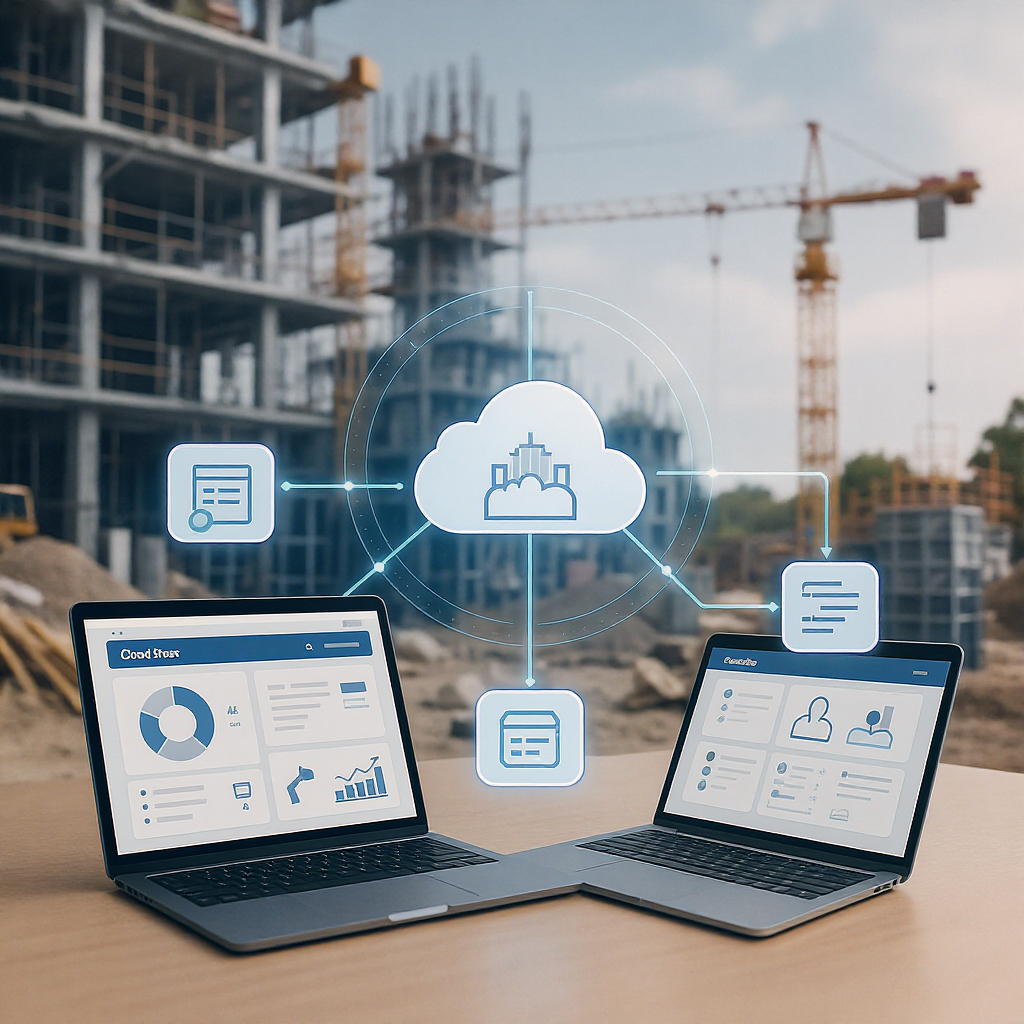
The biggest advantage of cloud ERP is simple: it doesn't care where you are. Whether you're sitting in a site container in Riyadh or dialing in from your central office in Mumbai, you can see live project data, approve purchases, and track profitability. No VPNs. No fragmented spreadsheets. Just real-time access.
Take the procurement process as an example. In traditional setups, material requisitions (MRs) sit in email threads until someone in the office processes them. By the time an RFQ is sent to vendors, prices might've changed or the site team may have already overspent on ad-hoc buys. Cloud ERP eliminates this chaos with structured workflows:
- Step 1: Site engineers raise MRs directly in the system.
- Step 2: Procurement teams send RFQs, consolidate vendor offers, and generate POs — all within the same platform.
- Step 3: Approvals happen remotely, ensuring no bottlenecks even if decision-makers are traveling.
The result? Faster procurement cycles, less revenue leakage, and fewer site delays. This structured MR → RFQ → Vendor Offers → PO workflow is one of JobNext's standout features. It keeps teams connected and eliminates manual errors that cost contractors millions annually.
The Hidden ROI of Real-Time Monitoring
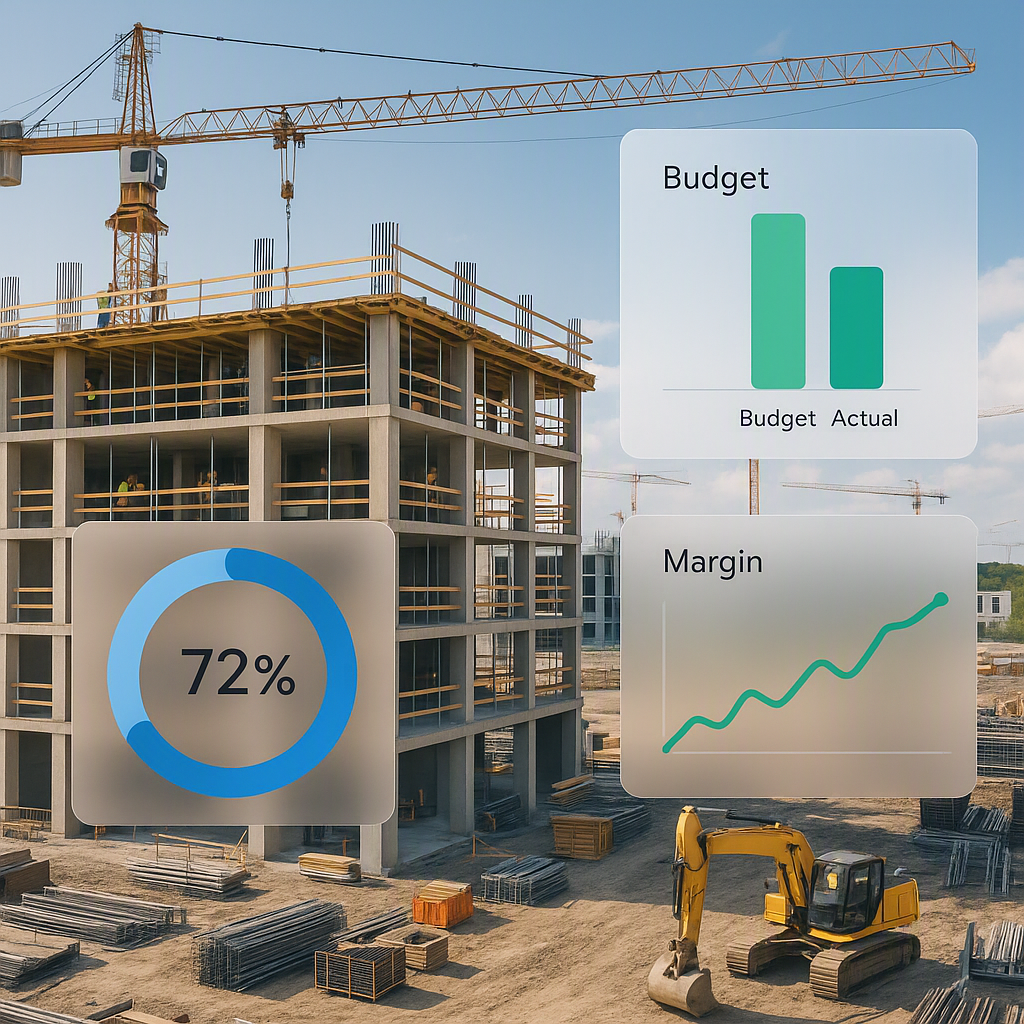
Real-time dashboards are a game-changer for remote project management. With a cloud ERP like JobNext, project managers can track profitability across BOQs, scopes, and estimates without waiting for weekly reports.
Consider this: a mid-size contractor running 25 concurrent projects often misses early warning signs of margin erosion because profitability updates only happen monthly. By the time finance flags the problem, it's too late to fix. But with live dashboards, you can spot anomalies instantly — whether it's a subcontractor overshooting costs or unexpected material price hikes.
This isn't just theory. Al Nab'a Services, a 6,000-employee facilities management company in Oman, saved weeks of delays and streamlined operations using similar tools. Their story highlights how real-time visibility reduces blind spots, even for massive teams managing hundreds of sites.
HR & Payroll Across Camps and Sites
Managing a workforce across multiple sites is another pain point for remote construction management. Attendance tracking, payroll processing, and staff allocation become nightmares when data isn't centralized. Cloud ERP fixes this by integrating HR workflows into the same platform.
For example, JobNext automatically syncs attendance data with payroll calculations, factoring in GCC-specific compliance like WPS (Wage Protection System). Site supervisors can update attendance directly from the field, and payroll teams can process salaries without chasing spreadsheets or missing statutory deadlines.
This integration isn't just convenient — it prevents compliance penalties that can cripple small contractors. The Contractor's First ERP blog post from JobNext.ai explains how payroll and compliance automation are critical for contractors taking their first steps toward ERP adoption.
Why Fragmented Tools Won't Cut It
Some contractors try to patch together solutions — using WhatsApp for site updates, Excel for BOQs, and standalone payroll tools. It works until it doesn't. Fragmentation leads to missed details and disconnected teams, which directly impacts margins.
The Hidden Cost of Tool Fragmentation highlights this issue. As margins shrink, contractors don't just need more tools — they need unified systems. Cloud ERP provides exactly that: one platform for tendering, procurement, HR, finance, and project execution.
The Bottom Line: Get the Right Tools
Remote construction management isn't just a trend — it's reality for contractors in India and the GCC. Without cloud ERP, you're stuck in a reactive cycle of chasing updates, fixing errors, and losing margins. But with the right system, you can turn real-time visibility into better decisions, faster approvals, and higher profitability.
We've seen this transformation firsthand with contractors who adopted JobNext. If you're still relying on spreadsheets and disconnected tools, it's time to rethink your approach. The stakes are too high to settle for anything less.
Ready to see JobNext in action?
Multi-tenant SaaS ERP for construction, facilities management, and contracting — covering preconstruction, project execution, procurement, HR & payroll, equipment, finance, and 150+ analytics reports.
Get Started Free →