
The Real Problem with Project Cost Tracking
Let’s not sugarcoat it: project cost tracking in construction is a mess. Spreadsheets get bloated. Rates are outdated. And by the time you’ve reconciled your expenses, you’re already over budget. Sound familiar?
For most contractors, the process is painfully manual. Rate lookups mean flipping through lengthy PDFs like CPWD DSR or RSMeans. Adjusting costs for inflation? That’s often just guesswork. And when a client asks for a what-if scenario—say, "What happens if we downgrade the ceiling spec?"—you’re stuck reworking the entire estimate in Excel. Not ideal.
But it doesn’t have to be this way. AI-driven cost tracking tools are changing the game. Let’s break down how they work.
AI Rate Lookup: Stop Wasting Hours in PDFs
One of the biggest time-sinks in cost tracking is rate lookup. Manual methods are slow and error-prone. Matching a BOQ line item to the correct CPWD DSR rate or similar can take significant time and effort. That’s precious time you don’t have, especially when juggling multiple bids.
AI tools solve this by using semantic search. Upload your BOQ, and the system scans thousands of SOR items in seconds. Need a rate for “RCC work, M25 grade, including steel”? You’ll get the exact match, along with related options, instantly. No flipping through PDFs. No second-guessing.
Illustrative example — For a medium-sized project, automating rate lookup could save hours compared to manual methods. Multiply that by multiple bids per year, and the efficiency gains become clear.
Real-Time Cost Adjustments: No More Spreadsheet Nightmares
Here’s another common scenario: You’re midway through tracking costs when a supplier updates their rates. Suddenly, every estimate tied to that material is wrong. In Excel, fixing this means a cascade of manual edits—one formula tweak at a time. It’s tedious and risky.
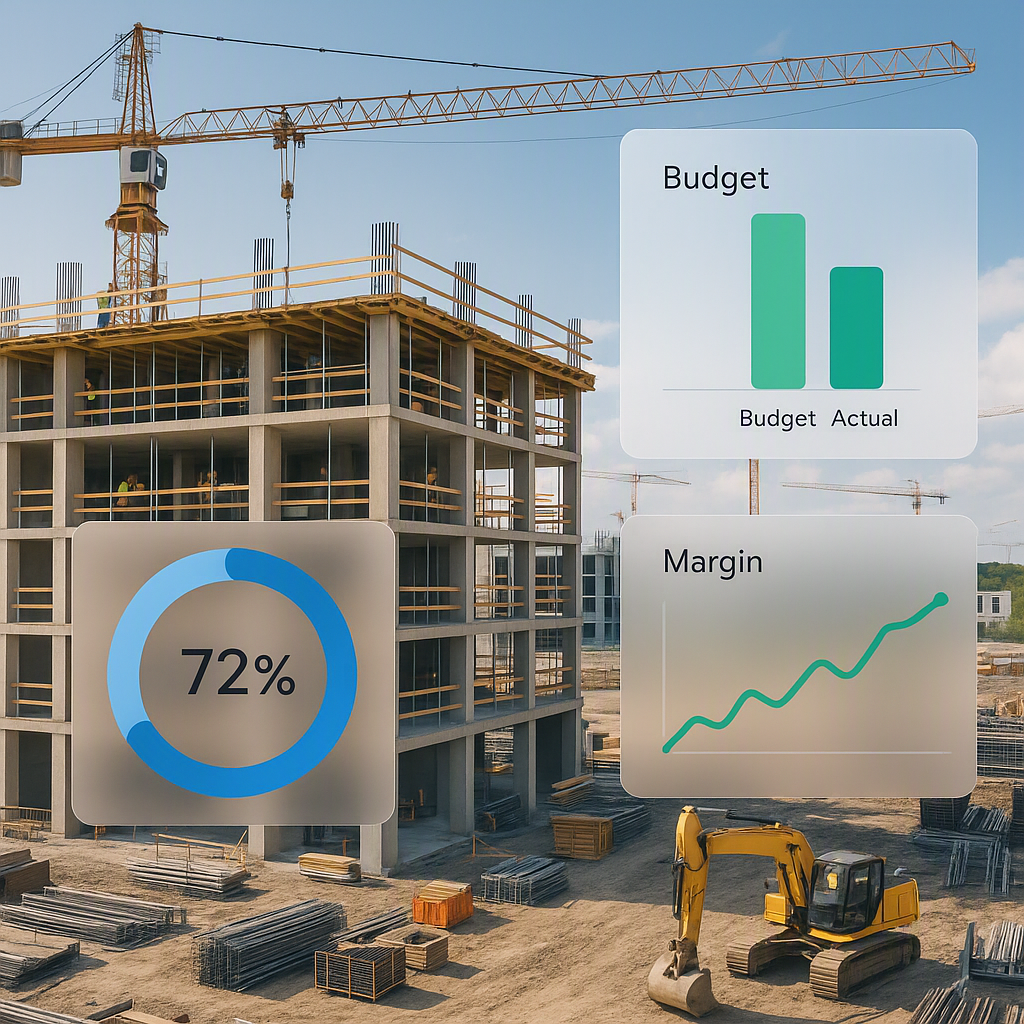
AI-driven tools handle this differently. They propagate changes across your entire BOQ in real time. Adjust the steel price for one item, and the system recalculates totals, margins, and cost factors instantly. It even keeps an audit trail, so you can see what changed and why.
The result? Faster revisions, fewer errors, and a lot less frustration when clients inevitably ask, “What if we cut costs by a certain percentage?”
Takeoffs in Minutes, Not Days
Drawing takeoffs are another notorious bottleneck. Estimators often spend significant time measuring room areas, wall lengths, and fixture counts from PDF plans. And yet, discrepancies still creep in. One miscalibrated measurement can derail your entire cost projection.
AI tools shrink this process dramatically by automatically extracting quantities from PDF drawings. The system identifies walls, windows, and fixtures with high accuracy, flagging any low-confidence areas for manual review. This blend of AI and human oversight ensures both speed and reliability.
Illustrative example — Automating takeoffs for a large project could reduce the time spent from days to minutes, freeing up your team to focus on high-value tasks like bid strategy or subcontractor negotiations.
Common Mistakes in Cost Tracking (And How AI Fixes Them)
Even with the best intentions, cost tracking often falters because of:
- Outdated Rates: Inflation adjustments are rarely applied consistently. AI tools automate this by suggesting CPI-based uplifts.
- Manual Errors: Misaligned formulas in Excel lead to hidden inaccuracies. AI systems eliminate this risk by automating calculations.
- Missed Dependencies: Changing one cost often affects others (e.g., labor costs tied to material rates). AI tracks these dependencies for you.
- Slow What-If Scenarios: Clients expect quick answers. AI tools make real-time adjustments a reality.
By addressing these pain points, AI doesn’t just make cost tracking faster—it makes it smarter.
FAQs: What Contractors Want to Know
Q: How accurate are AI-powered estimates?
AI tools are highly accurate but not infallible. That’s why they include manual overrides and audit trails. You get speed without sacrificing control.
Q: Can AI tools handle custom rates?
Yes. You can upload your own rate catalogs or define project-specific rates. The system ensures your estimates reflect real-world costs.
Q: Are these tools worth it for small contractors?
Absolutely. The time savings alone justify the cost, making these tools accessible and valuable for contractors of all sizes.
The Bottom Line
Project cost tracking doesn’t have to be a headache. With AI tools, you can automate the tedious parts—rate lookups, takeoffs, cost adjustments—and focus on what really matters: winning bids and maximizing margins.
If you're tired of outdated methods, it's time to upgrade.