I Used to Think Estimating Was About Instinct and Experience
For years, I believed the best construction estimators were like seasoned chefs—they operated on instinct, intuition, and years of experience. Sure, they used tools like Excel, Bluebeam, or RSMeans to calculate costs, but at the core, it was their judgment that made or broke a bid. Rate matching, for example, was often a painstaking manual process. You’d flip through pages of the CPWD DSR or state SOR books, trying to find the right item, double-check its unit of measurement, and then apply your market-specific adjustments. It was tedious, but it felt necessary. After all, could a tool really account for the nuances of regional pricing or your gut feel about a vendor’s reliability?
I was skeptical of the whole “AI in construction” hype. I figured, "There’s no way AI can understand the complexity of what we do." It sounded like another buzzword vendors slap on their marketing to sell software. I thought it was a distraction from what really mattered: experience, relationships, and hard-earned knowledge.
Then something changed.
What Changed My Mind About AI Rate Matching
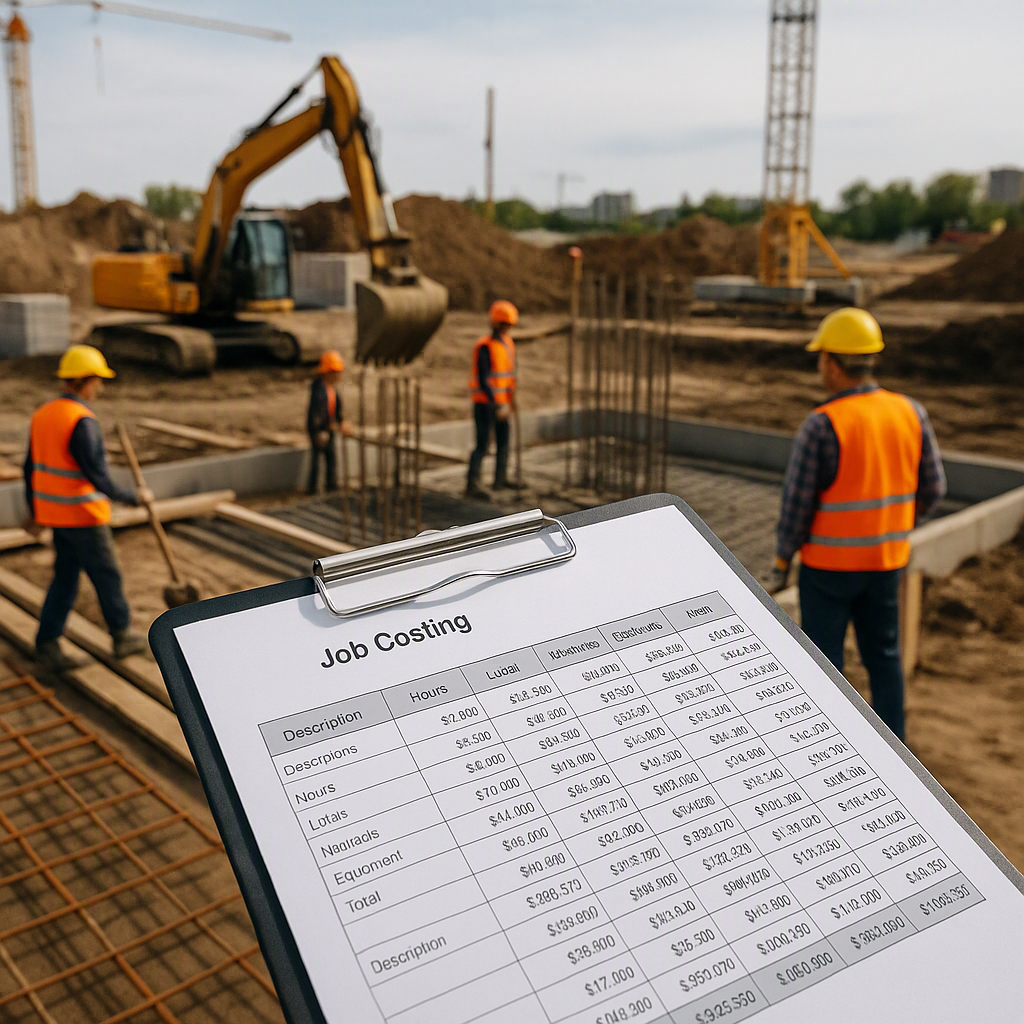
It was late last year, and one of the contractors I consult with was bidding on a large rail infrastructure project in India. The schedule was tight, and the client’s BOQ had over 2,000 line items. Their lead estimator was buried in work, spending hours flipping through the CPWD DSR 2021, trying to match the BOQ items to the correct rates. When I asked why they didn’t automate parts of the process, their response was the same as mine used to be: “AI doesn’t understand construction.”
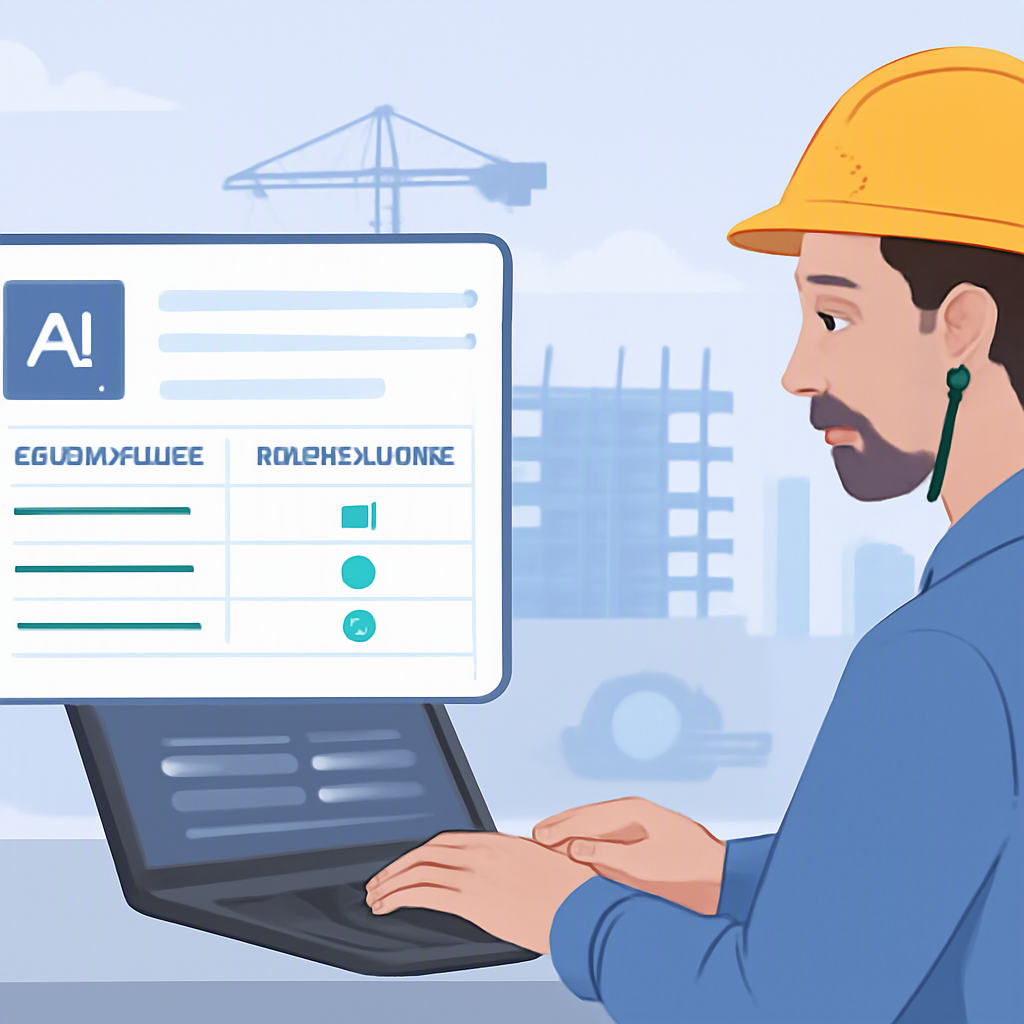
But they were running out of time. So, almost as an experiment, we decided to try an AI-powered rate matching tool. After uploading the BOQ, the system quickly matched most of the items to the correct DSR rates. For the remaining items, it flagged them for manual review, suggesting potential matches. The process, which would have taken significantly longer manually, was completed in a fraction of the time.
That was my lightbulb moment. This wasn’t some black-box magic. The system wasn’t replacing the estimator—it was speeding up the grunt work, so they could focus on reviewing and refining instead of flipping through PDFs.
Why My Old Belief Held On So Long
Looking back, I see now why I resisted the idea of AI in construction estimation. For one, the tools I’d seen in the past weren’t great. They were often rigid, didn’t integrate well with existing workflows, and frankly, didn’t deliver on their promises. If you’ve ever tried using generic AI tools in construction, you know what I mean—they feel like they were designed for a different industry entirely.
There’s also the pride factor. Estimation is a skill. It’s something you learn from years of experience, from understanding the quirks of different clients, vendors, and regions. The idea that a machine could do any part of that work felt, frankly, a bit insulting.
And then there’s trust. When you’re responsible for high-stakes bids, the stakes are high. If a tool gets a rate wrong, you’ll be the one answering for it. Trusting a new system feels risky, especially when you’ve been burned by bad software before.
What I Do Differently Now
I don’t see AI as a threat anymore. I see it as a tool—one that complements human expertise rather than replacing it. With AI-powered tools, I’ve seen how a structured rate matching system works:
- Historical Data: It starts with your historical data, prioritizing rates you’ve used in the past.
- Custom Catalogs: If you have custom rates or vendor-specific prices, the system integrates those seamlessly.
- Standard References: It considers the broader context, like CPWD DSR, state SORs, or even international standards like CESMM3.
- AI Suggestions: For anything it can’t match, the AI uses semantic analysis to suggest the closest possible item.
What’s more, it learns. Every time you approve or reject a match, it gets smarter. By the third project, you can already see significant improvements in accuracy. And if you need to adjust a rate for inflation or other factors, the system provides a full audit trail, so you know exactly how each number was calculated.
Now, when I’m working with contractors, one of my first questions is, “How much of your estimation process is manual?” If the answer is “a lot,” I know there’s room for improvement.
What Being Wrong About This Cost Me
Looking back, I realize how many opportunities were missed because I clung to outdated methods. I’ve seen contractors lose bids because their estimates took too long to prepare, or because they couldn’t justify their rates to skeptical clients. I’ve seen teams burn out trying to manually process massive BOQs, leading to mistakes and missed deadlines.
Even now, I’m not fully comfortable with the idea of relying entirely on AI. There’s still a part of me that worries about edge cases, about what happens when the system gets something wrong. But what I’ve come to understand is that the goal isn’t perfection—it’s progress. AI tools aren’t about replacing human expertise. They’re about freeing you up to focus on the high-value work that a machine can’t do.
The Future of AI in Construction Estimation
So, where does that leave us? In my view, the future of AI in construction estimation isn’t about eliminating jobs. It’s about making the work faster, more accurate, and less stressful. It’s about giving estimators the tools they need to thrive in an industry that’s only getting more complex.
And if you’re still skeptical, I get it. I was too. But if you’re spending hours on manual tasks like rate matching, takeoffs, or bid leveling, you’re leaving room for inefficiencies. You’re also putting your team at risk of burnout.
If you’ve been burned by bad software before, I’m not here to tell you that AI is a magic solution. But I am saying this: the right tool can make a world of difference. And if you’re dealing with the challenges I’ve described, exploring AI-powered solutions might be worth your time.
If manual rate matching is dragging you down, it’s time to try something smarter. Explore AI-powered tools to see how they can transform your estimation process.