The Hidden Chaos of Inconsistent Processes
If you're running multiple project sites, you've probably felt the pain of inconsistent processes. One site uses manual purchase orders; another emails vendors directly. One tracks worker attendance on paper; another uses a WhatsApp group. Sounds familiar? This patchwork approach kills efficiency and creates blind spots. Worse, it erodes margins — and in contracting, every percentage point matters.
But standardising processes across sites isn't just about tidying up. It's about control. Predictable, repeatable workflows mean fewer surprises, faster execution, and better cost tracking. Let’s dig into why this matters and how you can actually do it.
The Cost of Disconnected Systems
Let’s start with procurement. It’s a mess when every site handles it differently. Imagine Site A raises a material request (MR) in Excel and emails it to HQ for approval. Meanwhile, Site B skips approvals entirely and calls a vendor directly. Result? Delays, duplicate orders, and no clear audit trail.
This isn’t hypothetical. According to a Deloitte study, 35% of contractors cite poor procurement practices as a significant drain on profitability. Standardising your MR → RFQ → Vendor Offer → PO flow ensures every site follows the same playbook. No exceptions.
Real-Time Visibility Changes Everything
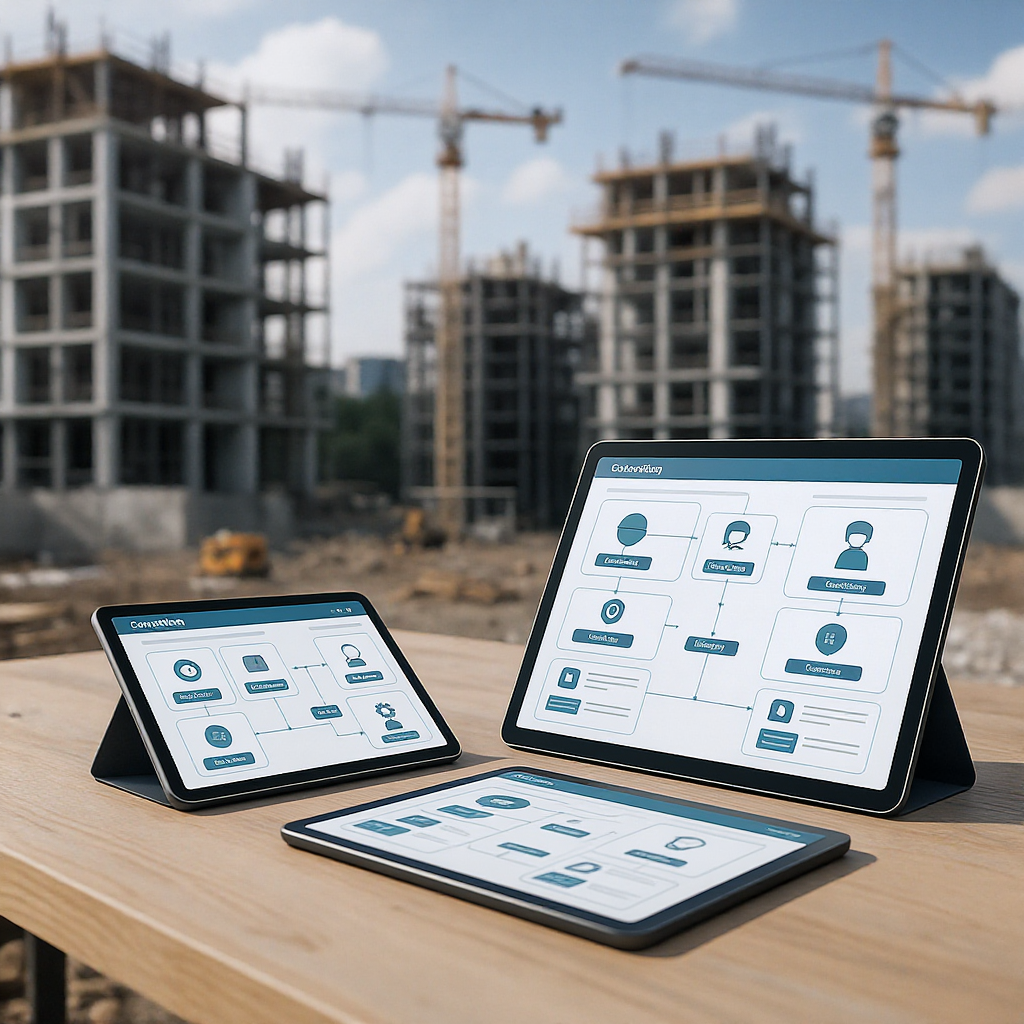
Here’s the kicker: standardised processes only work if they’re supported by real-time data. That’s where tools like JobNext step in. With JobNext, every MR, RFQ, and PO flows through the same structured workflow, no matter the site. Approvals are tracked digitally, and you can monitor procurement status live from HQ.
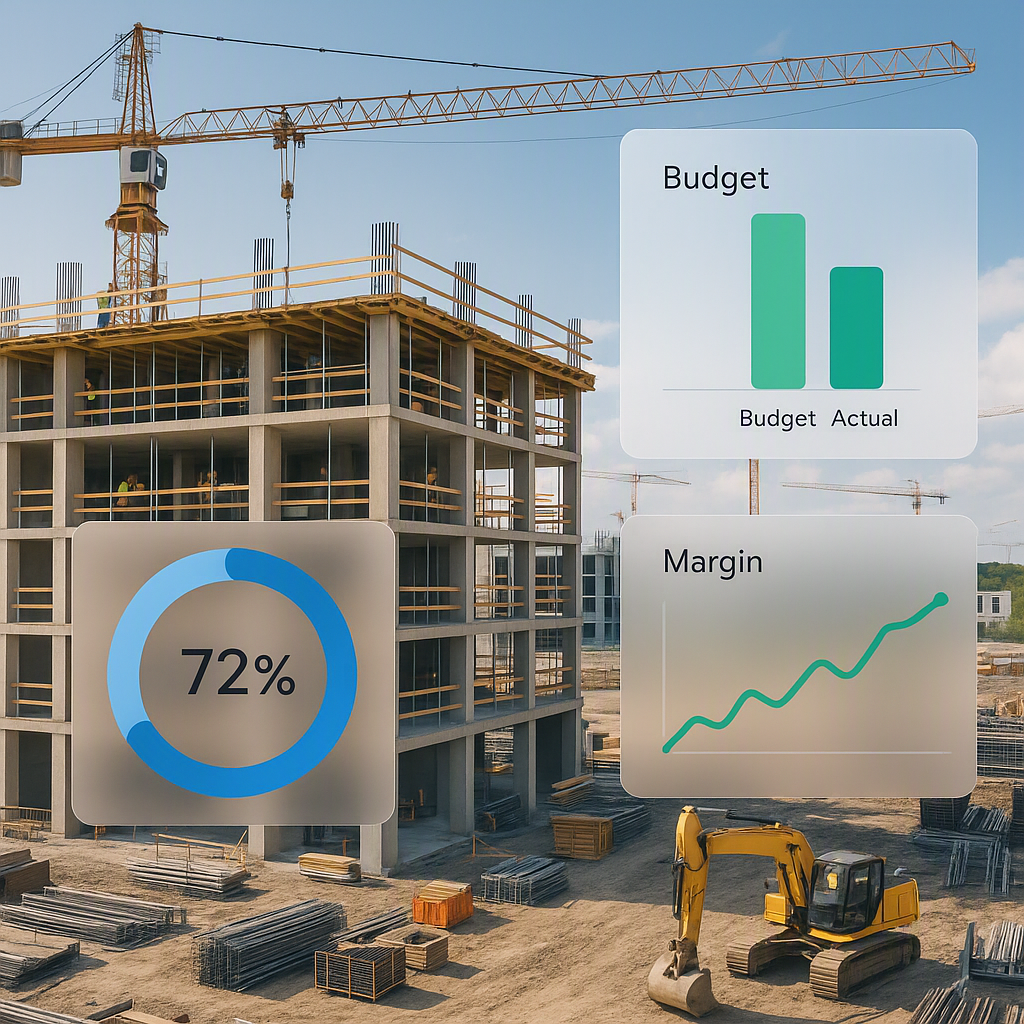
The result? Faster decisions, zero duplicate orders, and complete visibility into project costs. One of our clients, a mid-size EPC contractor in Oman, cut material procurement delays by 40% after rolling this out across six sites.
Compliance Without the Headaches
Standardisation also simplifies compliance. Take payroll: managing attendance and statutory deductions across multiple sites is a nightmare when every site does it differently. Missed PF or GST filings can lead to penalties that eat into already-thin margins.
A unified system solves this. JobNext, for example, integrates attendance tracking (via mobile apps or biometric devices) with payroll processing, ensuring statutory deductions like TDS and ESI are automated. And for contractors in India, the Tally integration handles GST filings seamlessly. No more missed deadlines, no more penalties.
Lessons from the GCC
The GCC region provides some of the best examples of why standardisation is critical. Contractors here often operate across multiple countries with different currencies, languages, and tax regimes. Disconnected systems simply don’t cut it.
As highlighted in Managing Multi-Country Construction Operations, international contractors who adopt unified platforms gain a competitive edge. They can manage compliance in real time and track profitability across borders without juggling spreadsheets.
What’s the Real ROI?
You might be wondering, "Is this worth the effort?" Let’s break it down:
- Time Savings: Standardised workflows cut back-and-forth communication by 30% or more (based on our clients’ data).
- Cost Control: Real-time tracking prevents overspending and identifies cost overruns early.
- Compliance: Automated filings save hours of manual work and avoid penalties.
If you’re ready to implement this, start small. Pick one process — like procurement or payroll — and standardise it across all sites. Once that’s running smoothly, move to the next. Don’t try to do everything at once. As we explained in ERP Implementation for Contractors, phased rollouts deliver better results and reduce resistance from your team.
Final Thoughts
Standardising processes isn’t glamorous, but it’s essential. It’s how you move from firefighting to proactive management. And with tools like JobNext, it’s no longer as daunting as it used to be. The question is, how much longer can you afford the inefficiencies of your current approach?
Ready to see JobNext in action?
Multi-tenant SaaS ERP for construction, facilities management, and contracting — covering preconstruction, project execution, procurement, HR & payroll, equipment, finance, and 150+ analytics reports.
Get Started Free →