The Problem Contractors Can't Ignore: Cost Tracking
Margins in construction are paper-thin. If you’re running multiple projects, you already know how quickly profits can vanish. Poor cost tracking is the silent killer. Overruns creep in from everywhere — underreported material usage, subcontractor invoices exceeding scope, or just plain errors in manual spreadsheets. A JobNext blog post estimates contractors lose 3-5% of margins on average. That’s the difference between staying profitable or taking a hit.
But why is cost tracking so bad? It often boils down to disconnected systems. You’ve got one tool for tendering, another for procurement, maybe Excel for billing, and a separate accounting system. None of these talk to each other. Imagine trying to manually reconcile material consumption against BOQs, vendor payments, and GST compliance. You’ll miss things — guaranteed.
What Contractors Need: Real-Time Cost Tracking
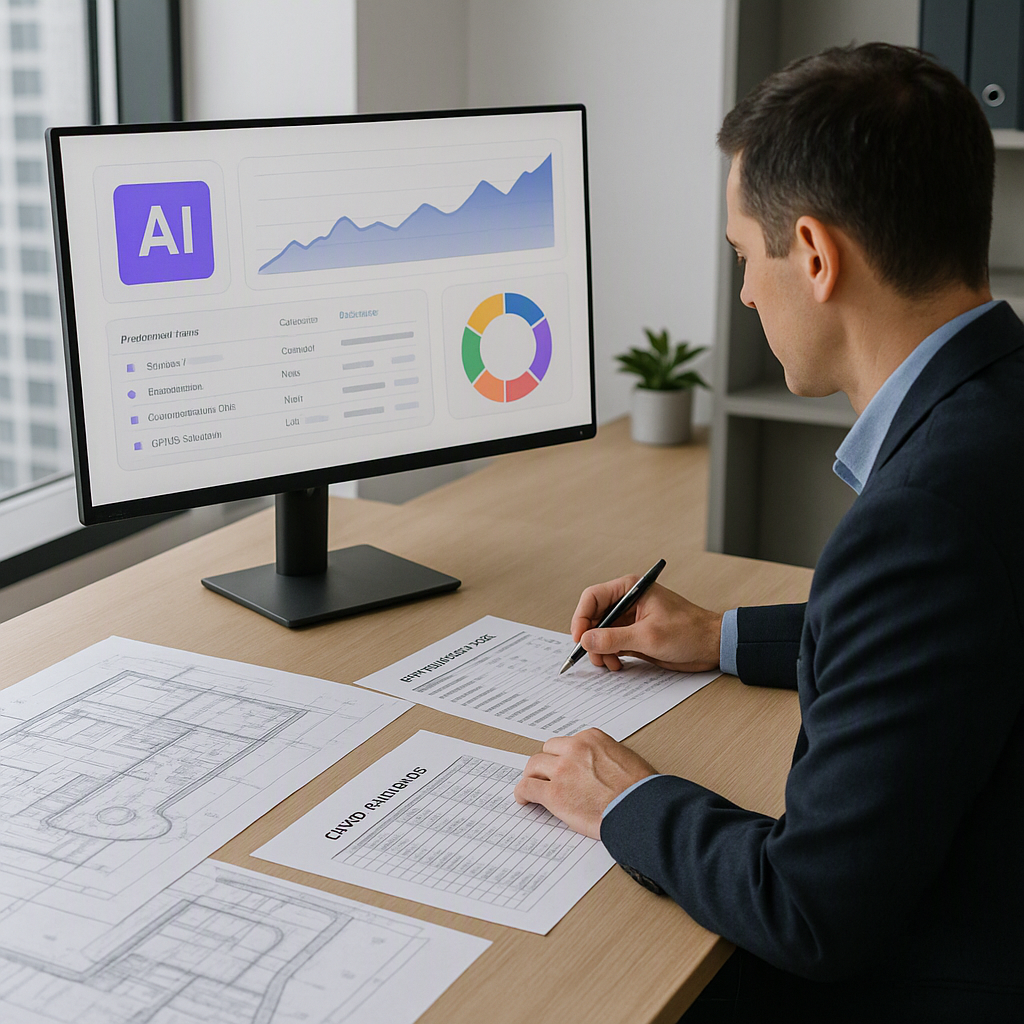
Here’s the fix: a cloud-based ERP designed for construction. Not just any ERP, but one that tracks costs in real time across BOQs, scopes, and estimates. Systems like JobNext take this a step further by integrating procurement, billing, subcontractor management, and finance into one platform.
Let’s break it down:
-
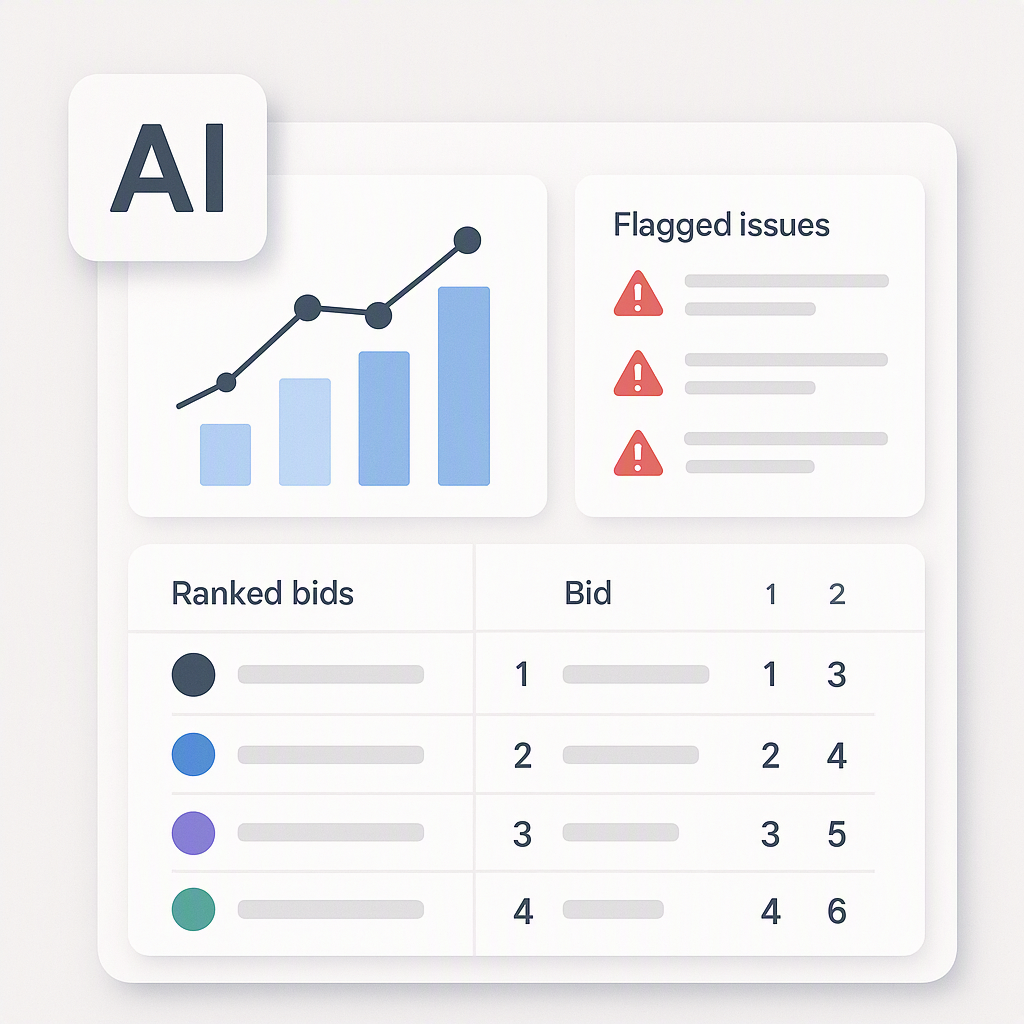
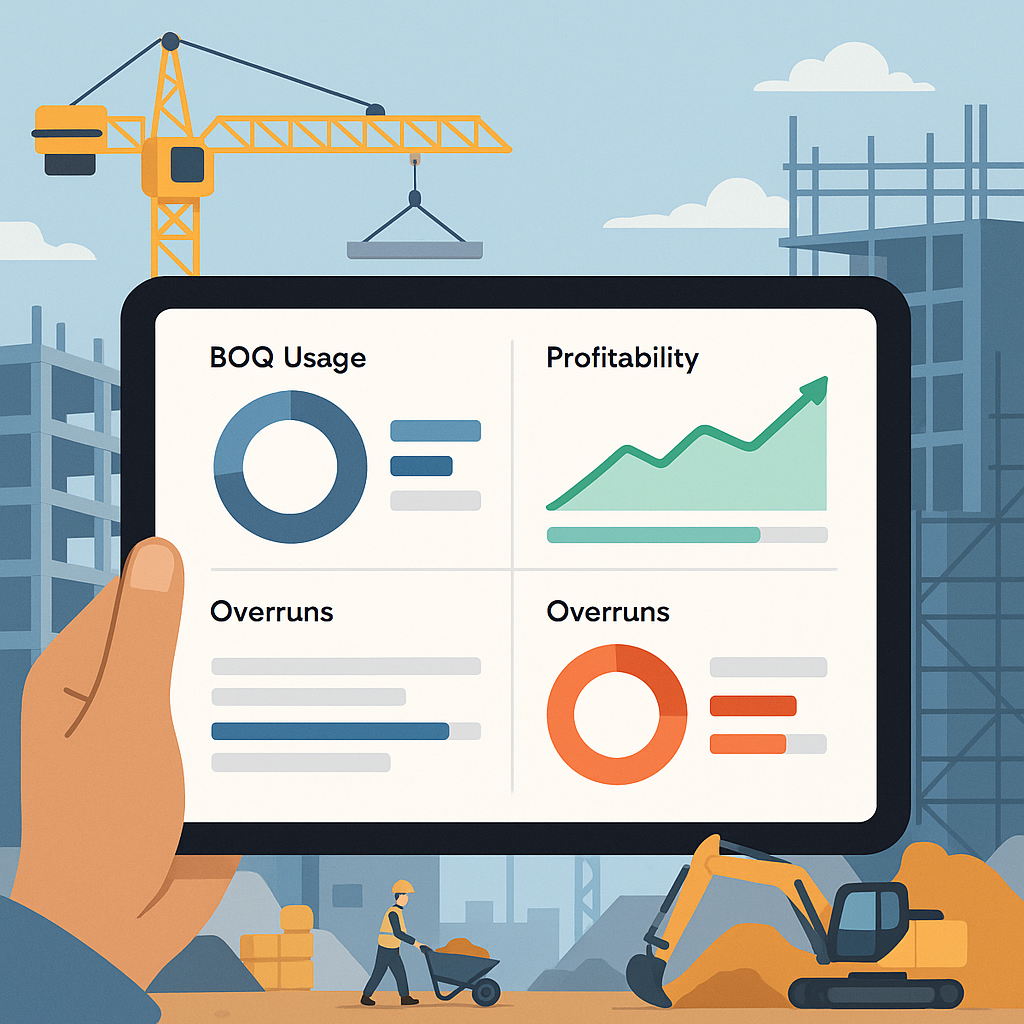
Real-Time Profitability Monitoring: Instead of waiting for month-end reports, you see live dashboards showing exactly where your projects stand. If a subcontractor bills for extra scope, you’ll catch it before it’s paid.
-
Structured Procurement Workflows: With JobNext’s MR → RFQ → PO workflow, material requests go through approval chains. This eliminates ad hoc purchases that blow up budgets.
-
Integrated Billing: Multiple billing methods (RA Bills, stage-wise, BOQ supply, etc.) ensure nothing is left out. You won’t miss revenue opportunities because invoices didn’t match your contract terms.
These features aren’t just nice to have. They’re essential if you’re managing multiple sites — whether it’s GCC-scale projects or smaller operations across India.
A Practical Example: Plugging Margin Leaks
Imagine this: You’re running a 10-site HVAC project in Oman. Your team manually tracks material consumption using Excel. When you reconcile vendor invoices at month-end, you realize you’ve been billed for extra units that weren’t accounted for in your BOQ. Too late — the payment’s already cleared.
Now flip that scenario. With a unified ERP like JobNext, your material consumption is tracked against BOQ in real time. Vendor invoices are cross-checked automatically against your approved POs. The margin leak? Plugged.
The same applies to subcontractor payments. JobNext lets you set up measurement-based payment controls. If a subcontractor claims progress on a milestone, you verify it against actual site measurements before releasing the payment. No more overbilling.
Why Cloud ERP Is the Only Scalable Answer
You might be thinking, “Can’t I just add more accounting staff to solve this?” Sure, but you’ll hit diminishing returns fast. Manual processes don’t scale. When you’re managing 50+ projects and hundreds of subcontractors, spreadsheets will fail you.
Cloud-based ERPs solve this by automating workflows and integrating disconnected systems. You don’t have to copy-paste data between tools or chase down site engineers for updates. Plus, cloud systems let you access dashboards anywhere — whether you’re in the office or onsite.
Choosing the Best ERP Software for Construction
There’s no shortage of options in the market. But not all ERPs are built for construction. Here’s what to look for:
| Feature | Why It Matters |
|---|---|
| Real-Time Cost Tracking | Prevent margin erosion; make informed decisions before it’s too late. |
| Procurement Workflow Automation | Avoid manual errors, enforce approval chains, and control vendor spending. |
| Multi-Site HR Management | Simplify attendance, payroll, and staff allocation across multiple locations. |
| Compliance Tools | Stay GST/TDS compliant without extra reconciliation headaches. |
| Subcontractor Management | Track progress measurements to avoid overbilling or scope creep. |
For contractors in India or GCC, JobNext ticks all these boxes. It’s specifically built for 15+ trades, including EPC, MEP, HVAC, and landscaping. And it doesn’t force you into rigid workflows — it adapts to your processes.
Final Thoughts
Cost tracking isn’t optional. If you’re not monitoring project profitability in real time, you’re bleeding margins. The good news? Cloud ERP systems fix this. And tools like JobNext don’t just stop the leaks — they help contractors grow by running lean, connected operations. Ready to stop losing money? Learn more here.
Ready to see JobNext in action?
Multi-tenant SaaS ERP for construction, facilities management, and contracting — covering preconstruction, project execution, procurement, HR & payroll, equipment, finance, and 150+ analytics reports.
Get Started Free →