Why Margins Are Shrinking in Construction
Margins in the construction business are razor-thin. A 3-5% drop in project profitability can turn a solid year into a financial disaster. Where does this erosion come from? Poor cost tracking, mostly. You’d think tracking costs is straightforward—just keep an eye on your BOQs and budgets, right? Nope. Not when you’re running multiple projects, juggling disconnected systems, and dealing with subcontractors who submit late invoices.
Take a typical mid-size contractor. They’re working on six concurrent projects. Each project has its own BOQ (Bill of Quantities), procurement requirements, labor schedules, and subcontractor payments. Now imagine doing all this on spreadsheets. Or worse, delegating the task to multiple disconnected tools that don’t talk to each other. It’s chaos.
The High Stakes of Poor Cost Tracking
Here’s what happens when you don’t track costs in real-time:
- Unapproved scope creep: Small changes add up. Before you know it, you’ve eaten through your contingency budget.
- Missed billing opportunities: Forget to bill for a variation order? That’s revenue you’ll never recover.
- Subcontractor overpayments: Without measurement-based tracking, you’re paying for work that might not even be done.
A 2023 report from Business Research Insights highlighted that 27% of contractors cited "cost tracking inefficiencies" as their biggest operational challenge. That’s almost one in three.
Why Cloud ERP is the Fix Contractors Need
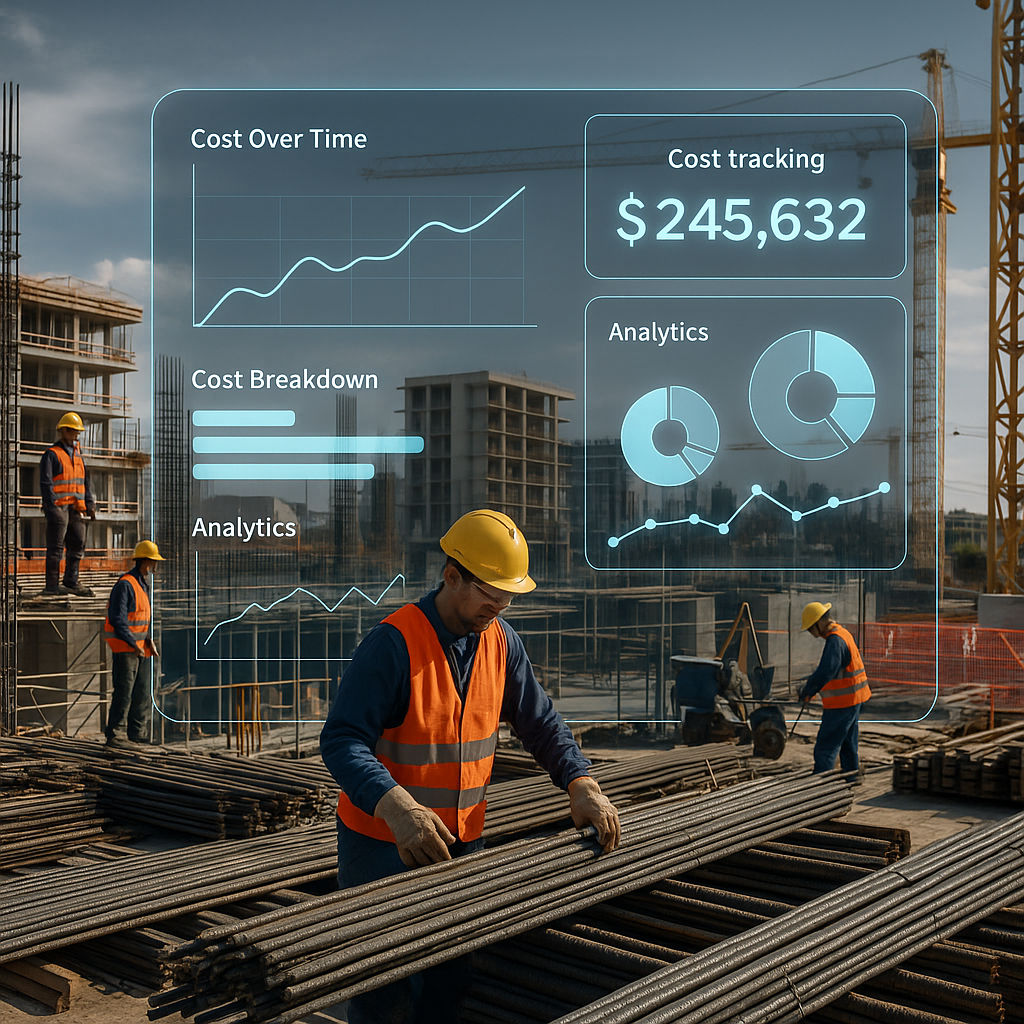
This is where cloud-based ERP systems like JobNext come in. Unlike spreadsheets or fragmented tools, a good cloud ERP provides real-time visibility into project costs. You’re not waiting for reconciliations at month-end to find out you’ve overshot your budget. You’re catching issues as they happen.
Practical Example: BOQ-Level Profitability Tracking
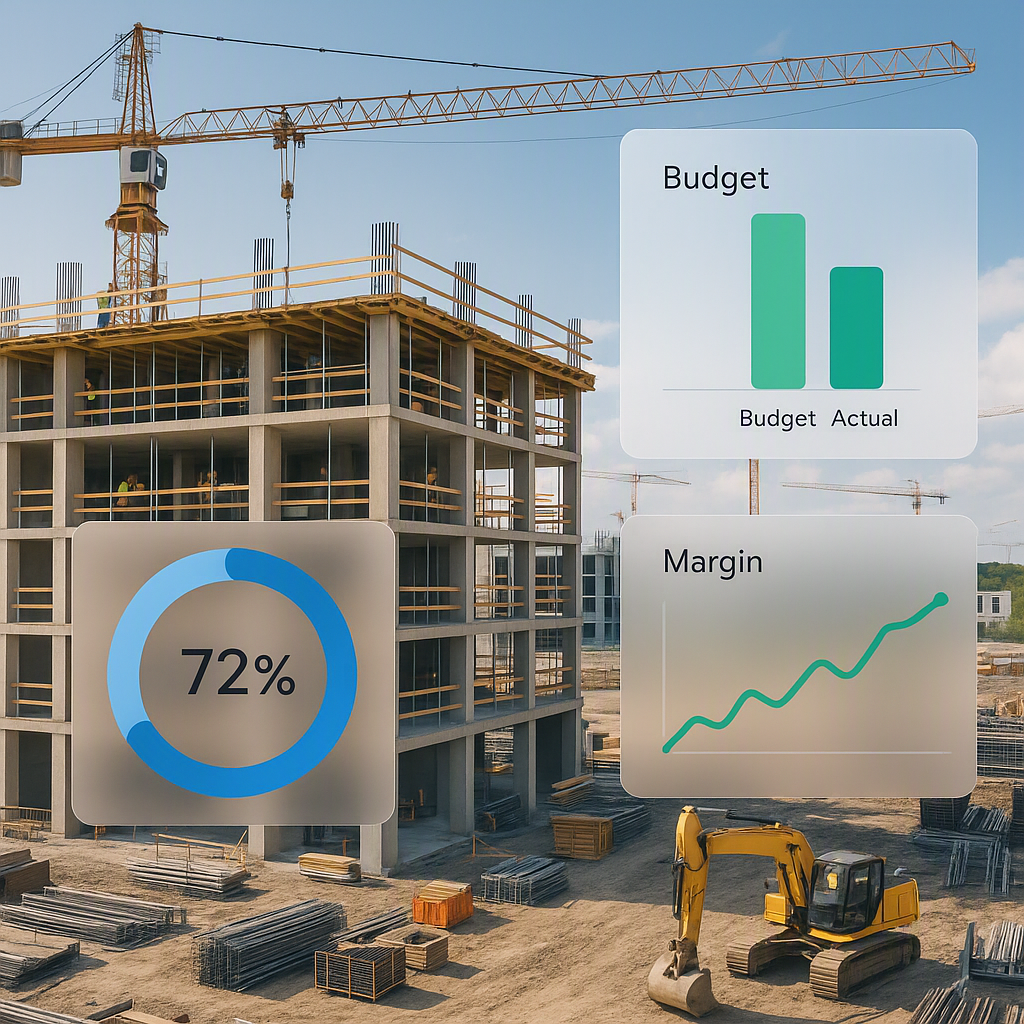
Let’s say you’re working on a high-rise project. You’ve got separate BOQs for civil work, MEP, and finishing. With JobNext, you can track profitability at the BOQ level. Every material requisition (MR), purchase order (PO), and subcontractor work order (WO) is mapped to the respective BOQ. You’ll know instantly if the steel costs for the civil BOQ are running higher than estimated. No surprises at the end of the project.
This isn’t hypothetical. One contractor in Oman reduced their margin leakage by 4% just by switching from spreadsheets to JobNext’s real-time cost tracking system. That’s not just saving money—it’s survival.
A Structured Workflow: MR → RFQ → PO
Another game-changer is the structured procurement workflow. JobNext enforces an MR (Material Requisition) → RFQ (Request for Quotation) → Vendor Offers → PO (Purchase Order) process with multi-level approval chains. Why does this matter? Because manual procurement processes are breeding grounds for errors and fraud.
Here’s a real-world example: A mid-size HVAC contractor in Bangalore was losing money because site supervisors would directly place orders with vendors, bypassing procurement approvals. With JobNext, every procurement request had to go through an approval workflow. Result? They caught discrepancies in 11% of their POs within the first quarter of implementation.
The Bigger Picture: Margin Recovery
If you’re still relying on spreadsheets or disconnected systems, you’re leaving money on the table. A cloud ERP like JobNext doesn’t just track costs; it integrates procurement, billing, subcontractor management, and finance into one unified platform. That’s how you stop the bleeding.
As we pointed out in this article, poor cost tracking is the silent killer of construction businesses. The solution isn’t more spreadsheets or manual oversight. It’s automation and real-time visibility. And that’s exactly what a cloud ERP delivers.
Final Thoughts
If you’re serious about stopping margin erosion, start with your cost tracking. Get a construction ERP that can handle BOQ-level tracking, enforce structured procurement workflows, and integrate with your billing and finance systems. You don’t need more tools. You need the right tool. And for a lot of contractors, that tool is JobNext.
Want to see how it works? Check out how JobNext tackles margin erosion with real-time cost tracking and structured workflows.
Ready to see JobNext in action?
Multi-tenant SaaS ERP for construction, facilities management, and contracting — covering preconstruction, project execution, procurement, HR & payroll, equipment, finance, and 150+ analytics reports.
Get Started Free →