The Real Problem with Construction ERP Software
If you've ever tried implementing an ERP for your construction business, you know the pain. Most systems promise the world but crumble under real-world complexity. Why? Because they aren't built for contractors. They're generic business software retrofitted for a job site. But construction isn't retail or manufacturing—it has its own mess. Multiple sites, subcontractors, constantly shifting budgets, and compliance nightmares.
Where Traditional ERP Falls Apart
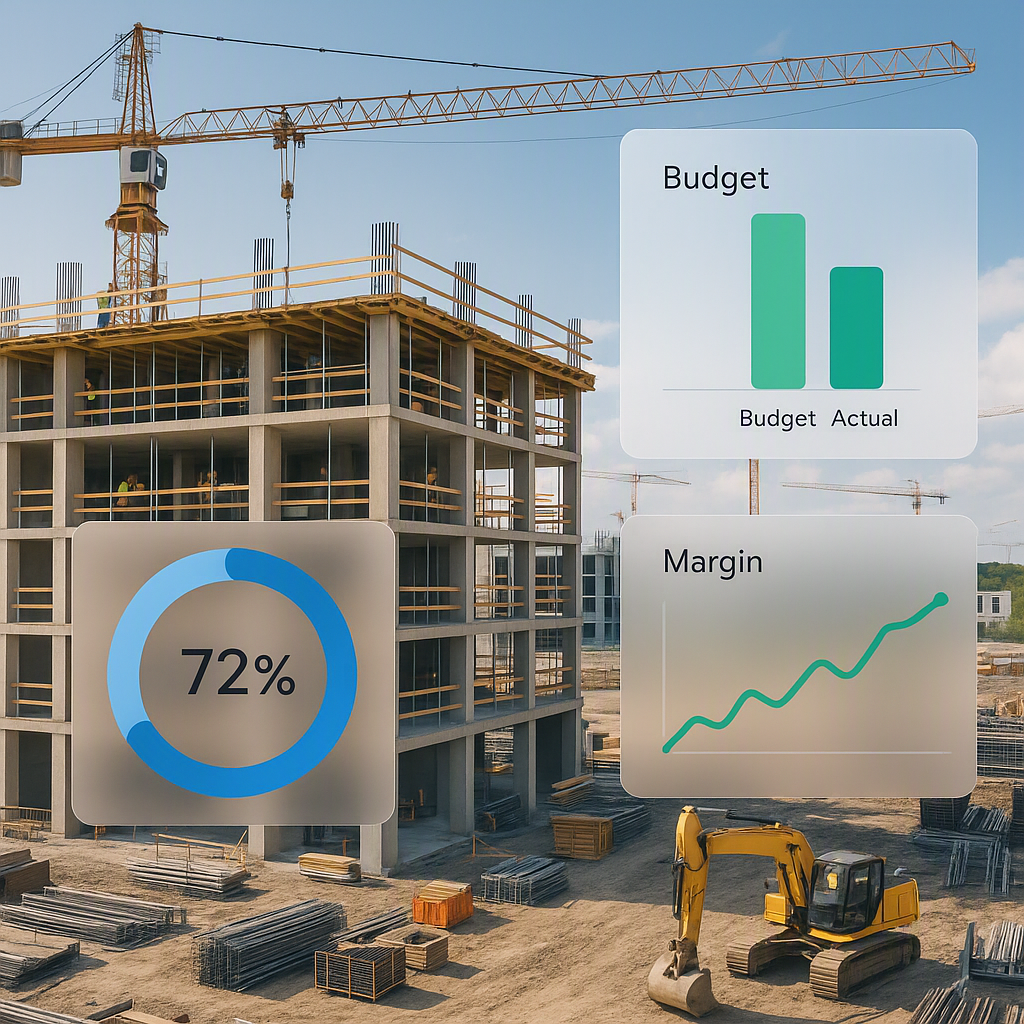
Let’s get specific. Imagine you're managing five active projects, each with different BOQs, scopes, and timelines. You need to track profitability in real time. But your ERP can only give you static, end-of-month financials. By the time you realize a project is bleeding money, it’s too late to fix it.
Or take procurement. You need structured workflows—Material Requests (MRs), RFQs, vendor offers, Purchase Orders (POs)—with approval chains. Otherwise, you get chaos: duplicate orders, missed deliveries, and mismatched invoices. Most ERP systems don't handle this. They assume you're buying widgets, not coordinating hundreds of materials across multiple teams and sites.
What Cloud ERP Does Differently
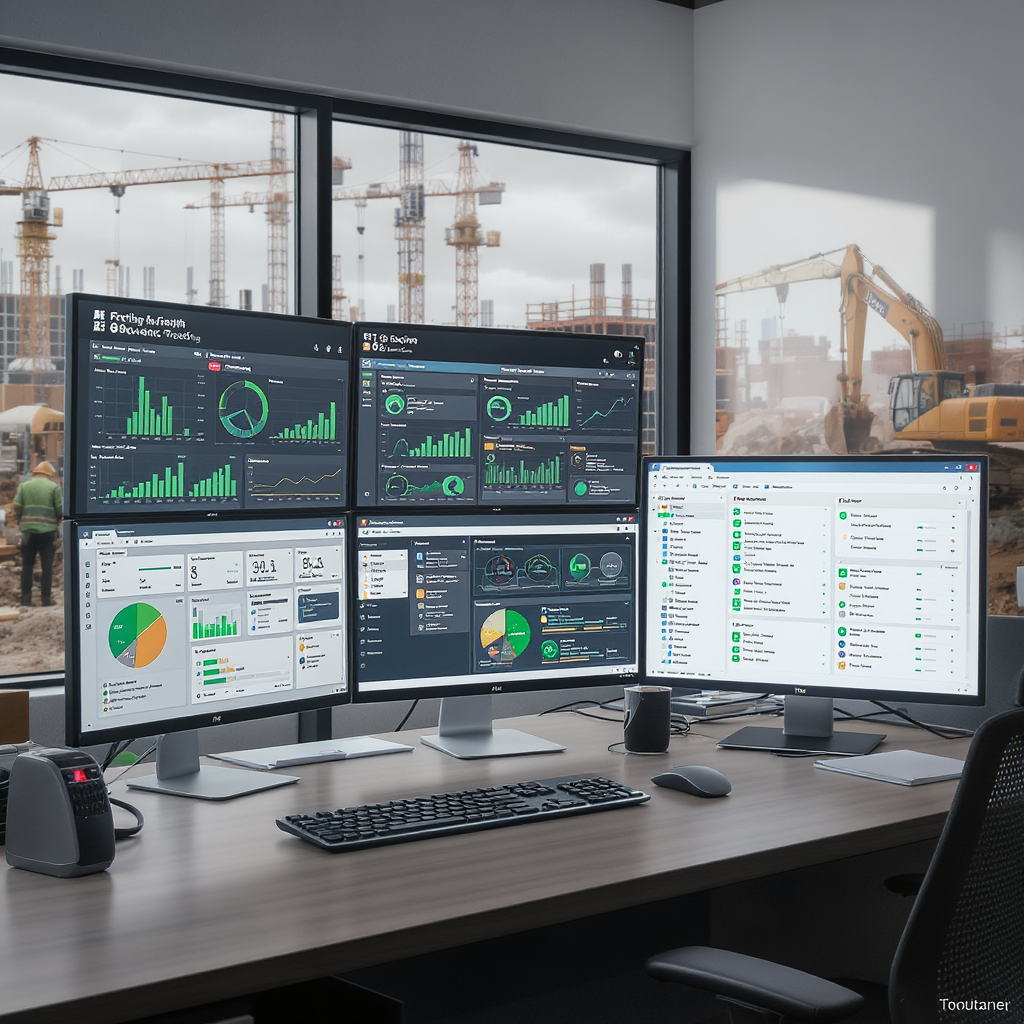
Cloud ERP changes the game. Instead of trying to fit construction into a generic framework, it’s designed to handle the complexity. Tools like JobNext solve these exact problems. For instance, JobNext tracks project profitability across BOQs, scopes, and estimates in real time. You can see exactly where costs are running over—and fix them before they spiral.
It also streamlines procurement chaos. JobNext’s MR→RFQ→PO workflow ensures every purchase is tracked, approved, and documented. No more duplicate orders. No more surprises.
How to Choose the Right Cloud ERP
Not all cloud ERPs are created equal. Here’s what to look for:
-
Real-Time Project Tracking: Can it show you profitability down to the line-item level (BOQs, scopes, estimates)? Most ERP systems can't.
-
Integrated Workflows: Does it unify tendering, procurement, billing, HR, and finance on a single platform? Disconnected systems are margin killers.
-
Scalability: Can it handle multiple projects, sites, and users without crashing? Multi-tenant SaaS platforms like JobNext are built for this.
-
Compliance Management: In India and GCC, GST, TDS, PF, ESI, and bank guarantees are non-negotiable. Make sure your ERP handles these.
-
Ease of Use: Your team isn’t made of tech experts. Look for intuitive dashboards and workflows—not clunky forms.
Still Skeptical?
You might be thinking, "We’ve tried ERPs before. They were expensive and didn’t deliver." That’s fair. But the difference with cloud ERP isn’t just technology—it’s the approach. Systems like JobNext are built specifically for contractors. They solve problems that generic software doesn't even consider.
Want proof? Contractors using JobNext have reported up to 20% faster project execution, simply because they can track costs and workflows in real time. Read more about how cloud ERP stops profit leaks here.
Final Thoughts
Margins are tight in construction. You can’t afford software that doesn’t pull its weight. Cloud ERP isn’t just a better tool—it’s what makes digital transformation possible for contractors. If you’re still relying on disconnected systems or outdated ERPs, it’s time to rethink. Because the cost of doing nothing is margin erosion—and that’s a price no contractor can afford.
Ready to see JobNext in action?
Multi-tenant SaaS ERP for construction, facilities management, and contracting — covering preconstruction, project execution, procurement, HR & payroll, equipment, finance, and 150+ analytics reports.
Get Started Free →