
Why Data-Driven Decision Making Isn’t Optional Anymore
Construction is one of those industries where gut instinct used to be king. But let’s be honest — that approach doesn’t hold up anymore. Margins are razor-thin, material costs are volatile, and projects rarely go exactly as planned. Yet, 46% of construction firms still rely on spreadsheets or manual processes to track costs, according to a KPMG survey. That’s a recipe for trouble.
The Real Problem: Margin Erosion
Here’s what happens: a project kicks off with a detailed BOQ (Bill of Quantities) and a budget that looks great on paper. Then the unexpected hits — material wastage, labor inefficiencies, subcontractor delays. Suddenly, you’re bleeding money, but you won’t even realize it until it’s too late. By the time the finance team crunches the numbers, the damage is done. Sound familiar?
This is where data-driven decision-making comes in. Instead of relying on month-end reports, you need real-time visibility into project profitability. And I mean real-time — not “three days after the site sends their Excel update.”
Real-Time Cost Tracking: A Practical Example
Let’s get specific. One of the biggest culprits for margin erosion is poor cost tracking. Imagine you’re running a mid-sized MEP contracting firm with 10 ongoing projects. Each project has its own materials, labor, and subcontractor costs. Without a unified system, you’re juggling separate tools for procurement, billing, and finance. Guess what? Things slip through the cracks.
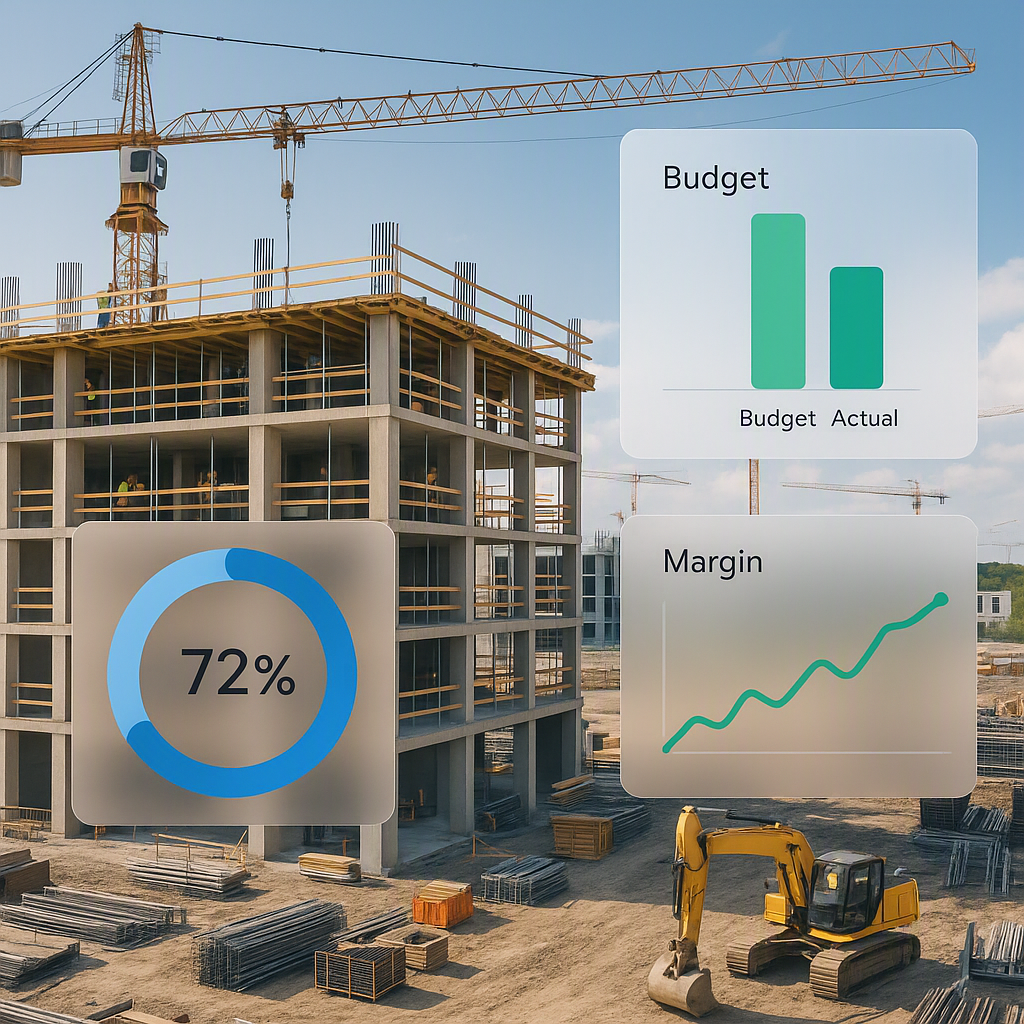
Here’s where tools like JobNext shine. The platform offers real-time project profitability monitoring. You can track costs against BOQs, scopes, and estimates as they happen — not after the fact. For example, if a subcontractor submits an invoice that exceeds the agreed contract value, the system flags it immediately. That’s not just convenient; that’s the difference between meeting your profit margin or eating a loss.
Why Real-Time Data Wins
You might be thinking, “Can’t I just check my costs manually?” Sure, you could. But let’s unpack why that’s a bad idea:
-
Time Lag: By the time you manually consolidate data, the project has moved on. You’re always playing catch-up.
-
Error-Prone: Manual processes are riddled with errors. A single typo in a spreadsheet can misrepresent your entire project budget.
-
Scalability: What works on one project won’t scale to ten. Or twenty. Manual tracking doesn’t grow with your business.
Real-time data solves all of this. One example? Al Nab’a Services, one of Oman’s largest facilities management companies, used automated systems to cut their payroll cycle from 21 days to just 3. You can read their full story on JobNext’s blog.
The ROI of Data-Driven Decisions
Still skeptical? Let’s look at the numbers. According to a McKinsey report, firms that adopt digital tools see a 14-15% increase in productivity and a 5-6% reduction in costs. Margins in construction average 2-7%, so even a 5% savings can be the difference between profitability and disaster.
For example, JobNext’s structured procurement workflow (MR → RFQ → Vendor Offers → PO) eliminates procurement chaos. One client reported saving 12% on material costs just by standardizing this process. That’s real money back in your pocket.
Conclusion: Stop Guessing, Start Knowing
Data-driven decision-making isn’t just a buzzword; it’s a survival tactic. Whether it’s tracking costs in real-time, streamlining procurement, or monitoring project profitability, the right tools let you act on data instead of reacting to problems. And in construction, where margins are thin and risks are high, that’s a game-changer.
Want to see how data-driven tools like JobNext can work for your business? Start with their guide on The Contractor's First ERP. It’s an eye-opener.
Ready to see JobNext in action?
Multi-tenant SaaS ERP for construction, facilities management, and contracting — covering preconstruction, project execution, procurement, HR & payroll, equipment, finance, and 150+ analytics reports.
Get Started Free →