Why Margins Matter More Than Ever
Construction margins are brutal. For mid-size contractors, they're often under 10%. One wrong move—a procurement delay, a subcontractor overrun, or a missed billing milestone—and your profitability is gone. And the worst part? Many contractors don’t even realize they’re losing money until it’s too late.
Here’s the hard truth: If you’re not tracking your project costs in real-time, you’re flying blind. And in today’s market, that’s a recipe for disaster.
The Problem with Manual Tracking
Let’s talk about how most contractors track costs today. You’ve got:
- Excel sheets: Good for small projects, terrible for multi-site operations. Errors pile up fast.
- Tally or standalone accounting tools: Great for statutory compliance, but they don’t tell you what’s happening on-site.
- WhatsApp or email approvals: Informal, untraceable, and prone to delays.
Sound familiar? We’ve seen contractors lose millions this way. For example, one HVAC contractor in India recently discovered they’d underbilled a client by ₹25 lakh because they couldn’t reconcile project progress with billing milestones. That’s money they’ll never recover.
What Real-Time Cost Tracking Looks Like
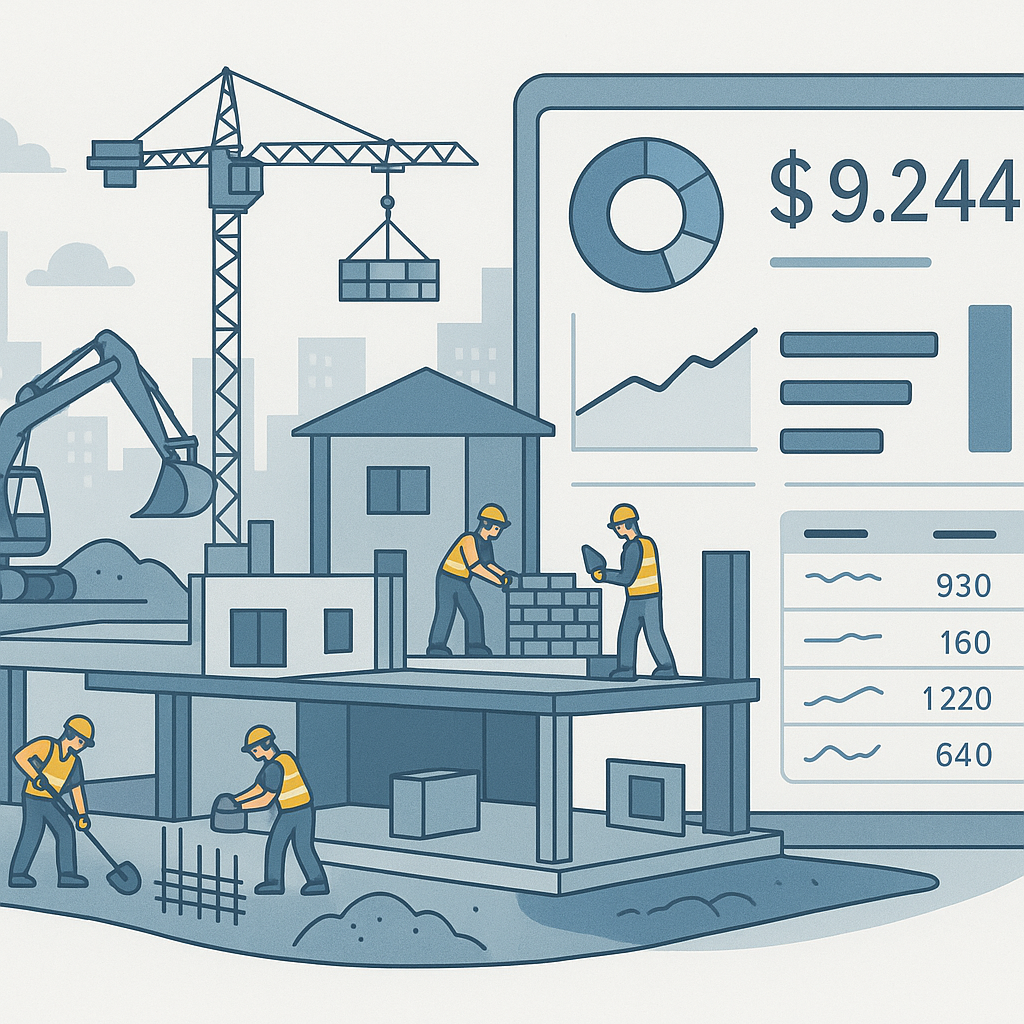
This is where a cloud-based ERP like JobNext can change the game. Instead of cobbling together tools that don’t talk to each other, you get a single platform that tracks costs in real-time. Let’s break it down.
-
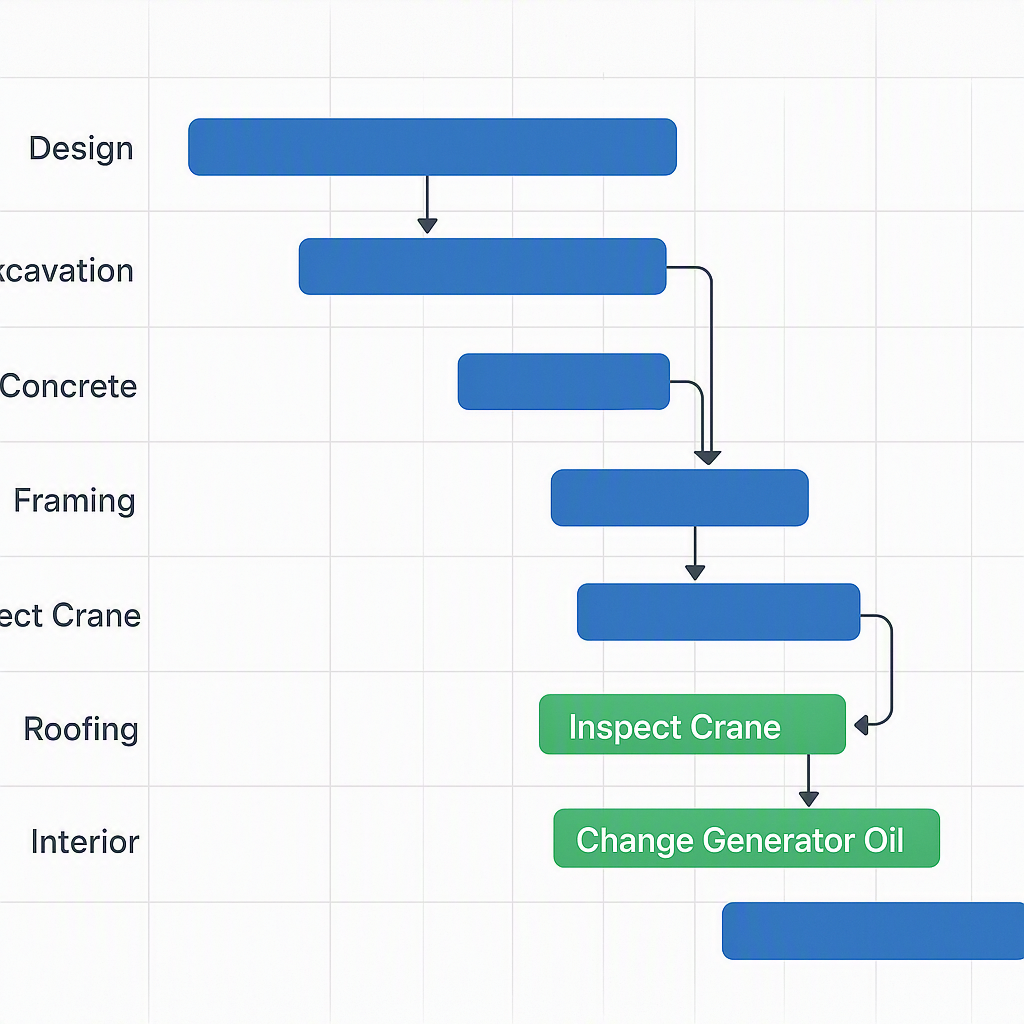
BOQ-Level Tracking Every project starts with a Bill of Quantities (BOQ). But without a system to track costs against each BOQ line item, you’re guessing at best. A cloud ERP like JobNext lets you map every expense—materials, labor, equipment, subcontractor payments—directly to the BOQ. No surprises, no leaks.
-
Integrated Workflows Say you’re managing a ₹10 crore interior fit-out project. You issue a Material Request (MR) for gypsum boards. Here’s what happens without an ERP:
- The MR sits in someone’s inbox for approval.
- By the time it’s approved, prices have gone up.
- You overspend, and your margin shrinks.
With JobNext, the MR → RFQ → PO workflow is automated and tracked. Approvals happen instantly, prices are locked in, and you stay on budget.
-
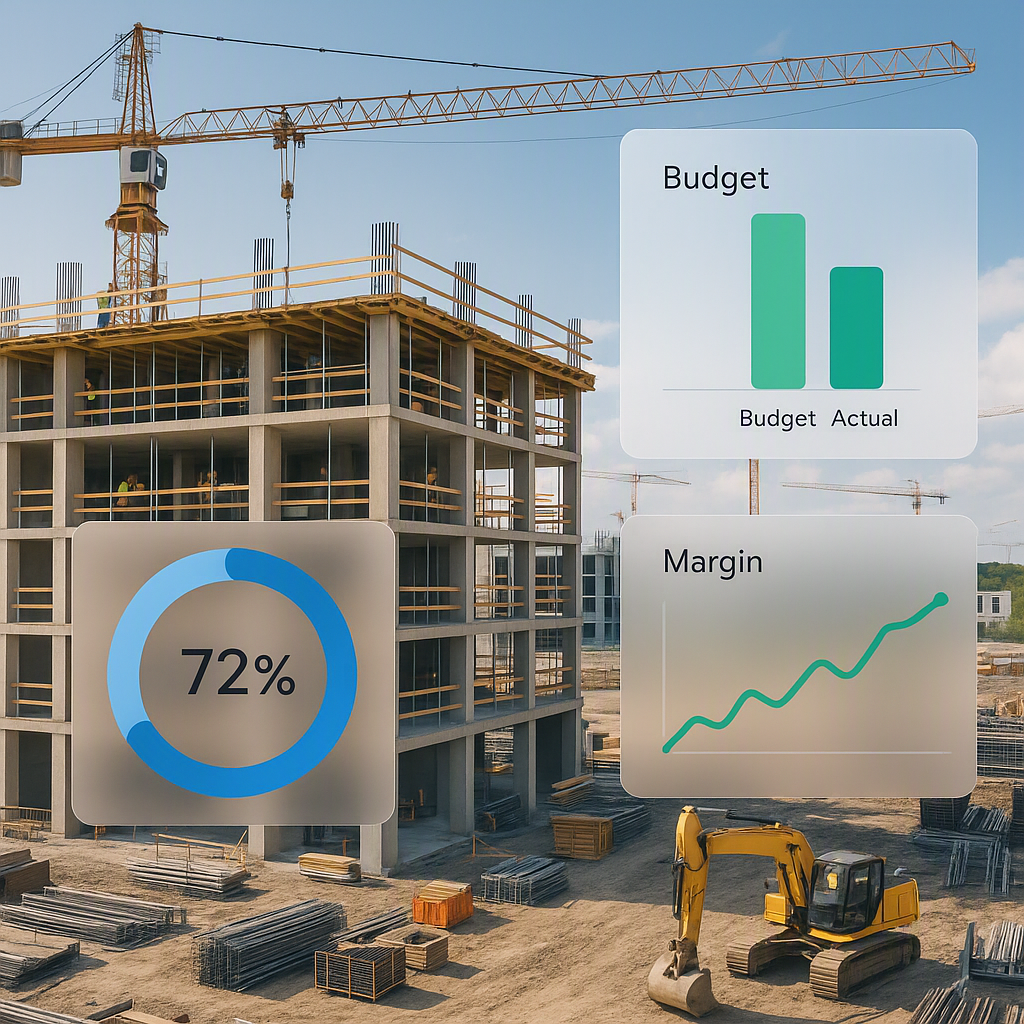
Dashboards That Actually Help JobNext’s real-time dashboards show you exactly where your project stands:
- Total budget vs. actuals
- Cost overruns by BOQ item
- Pending liabilities (e.g., unpaid POs, subcontractor bills)
Need an example? A landscaping contractor we worked with in Dubai caught a ₹2 lakh overrun on irrigation materials early—just by monitoring their dashboards. That’s the power of visibility.
Why Cloud ERP Beats On-Premise Systems
You might be thinking, "Can’t we just build this on Excel or an on-premise ERP?" Short answer: No. Here’s why:
- Excel doesn’t scale: It’s fine for one project. Juggle 10, and it’ll explode.
- On-premise ERPs are inflexible: They’re expensive, hard to customize, and impossible to access remotely.
- Cloud ERPs are built for collaboration: With JobNext, your team can update data from anywhere—whether they’re on-site, in the office, or working remotely.
As this article from JobNext explains, "Most contractors don’t realize how much margin they lose because of poor cost tracking. A cloud ERP gives you real-time visibility into project profitability—down to the last BOQ line item."
What’s the ROI?
Let’s get practical. Implementing a cloud ERP like JobNext isn’t free, but the ROI is undeniable. Here’s how a mid-size MEP contractor we worked with benefited:
- Before JobNext: They were losing ₹50 lakh a year to untracked cost overruns.
- After JobNext: They cut those losses by 70% in the first year.
The key? Real-time cost tracking and automated workflows. No more guessing, no more surprises.
The Bottom Line
If you’re serious about growing your construction business, you need real-time cost tracking. Margins are too thin to rely on guesswork. A cloud ERP like JobNext gives you the visibility and control you need to protect your profits.
Still skeptical? Check out this case study from JobNext on how contractors are using cloud ERP to boost margins and grow faster.
Want to see how it works? Visit JobNext to learn more.
Ready to see JobNext in action?
Multi-tenant SaaS ERP for construction, facilities management, and contracting — covering preconstruction, project execution, procurement, HR & payroll, equipment, finance, and 150+ analytics reports.
Get Started Free →