Why Margins Are Shrinking in Construction
Margins in construction are razor-thin. You know that already. But here’s the kicker: contractors lose up to 20% of their profits because they can’t track costs accurately or in real time. That’s not just a number—it’s the difference between staying afloat and going under on a multi-crore project.
Think about it. You’re running multiple projects across sites, juggling dozens (if not hundreds) of cost variables—labor, materials, equipment, subcontractors. If you’re using spreadsheets or outdated systems, you’re flying blind. And when you can’t see where the money is going, it’s already gone.
The Real Cost of Poor Cost Tracking
Let’s break it down. Here’s what poor cost tracking actually looks like on the ground:
- Missed scope creep: Your team adds extra work without logging it. You don’t realize until the final invoice, by which point, it’s too late to recover.
- Unapproved expenses: A site manager orders extra materials without approvals. It shows up in your books as a sudden cost spike.
- Delayed billing: RA bills or stage-wise payments aren’t raised on time. Cash flow suffers, and you’re scrambling to cover payroll.
Sound familiar?
The worst part? You don’t even know which projects are bleeding money until it’s over. That’s margin erosion in action.
How Cloud ERP Fixes This
This is where cloud ERP systems like JobNext come in. They don’t just give you a clearer picture—they give it to you in real time. Here’s how:
-
Real-time cost visibility: Every time a BOQ item is updated, or a purchase order is raised, you see its impact on your project’s profitability instantly. No manual number-crunching. No waiting until month-end.
-
Approval workflows: With structured workflows (e.g., MR → RFQ → PO), nothing gets ordered or paid without sign-off. This eliminates unapproved expenses.
-
Integrated billing: Systems like JobNext support 6 billing methods, from RA Bills to one-time invoices. That ensures every rupee you’re owed is tracked and billed on time.
Want proof this works? This article shares a real example of how contractors using cloud ERP stopped margin erosion dead in its tracks.
Why Spreadsheets Don’t Cut It Anymore
You might be thinking, "Our current system works fine." But does it? Spreadsheets and manual processes might feel familiar, but they don’t scale. Here’s why they fall short:
- No real-time updates: By the time you consolidate your sheets, the data is already outdated.
- Human error: One typo in a formula can skew your entire project cost report.
- Lack of accountability: Spreadsheets don’t track who made changes or when. ERP systems do.
And let’s not even get started on how chaotic it gets when you’re running 10+ concurrent projects.
A Practical Example: Margin Tracking With JobNext
Consider this feature: real-time profitability monitoring across BOQs, scopes, and estimates. Here’s how it works:
- You set up the project with your BOQ/WBS hierarchy.
- As your team raises material requisitions or approves subcontractor payments, the system updates your project cost data.
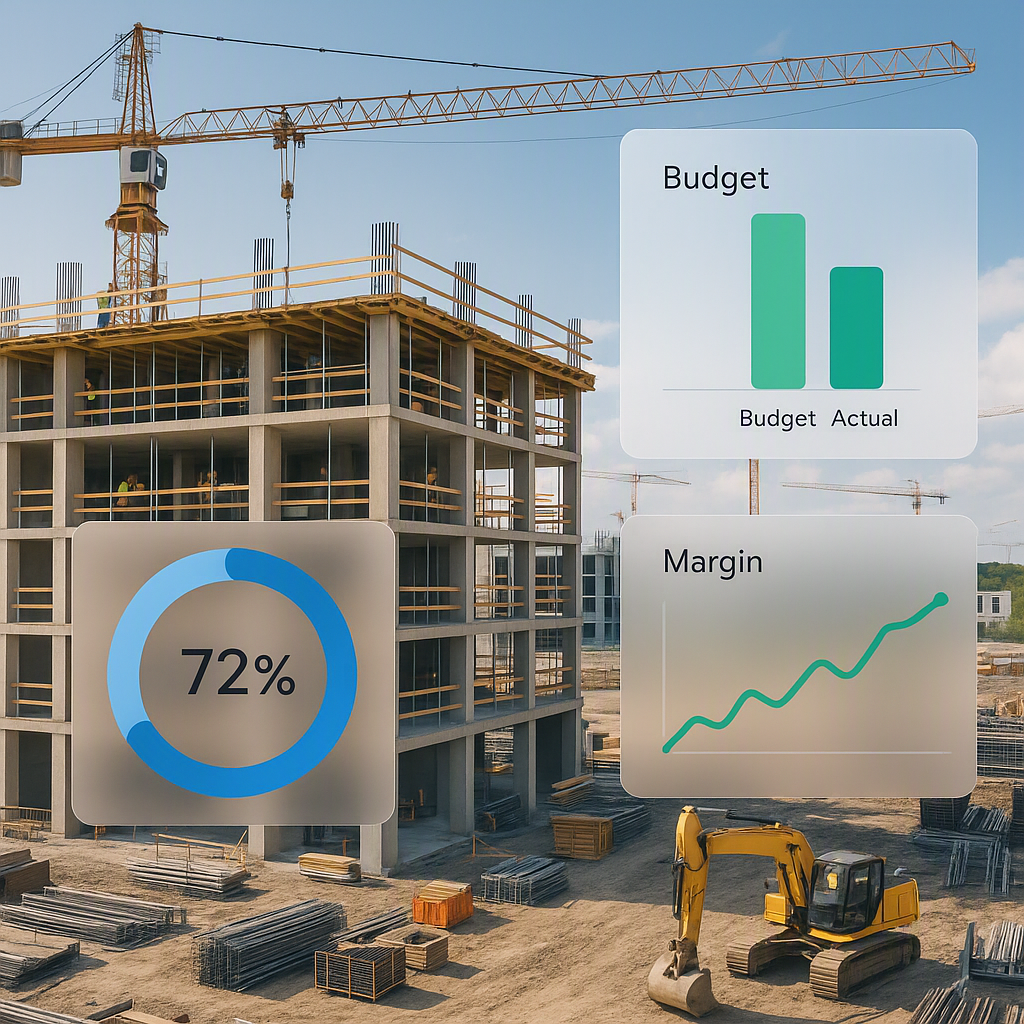
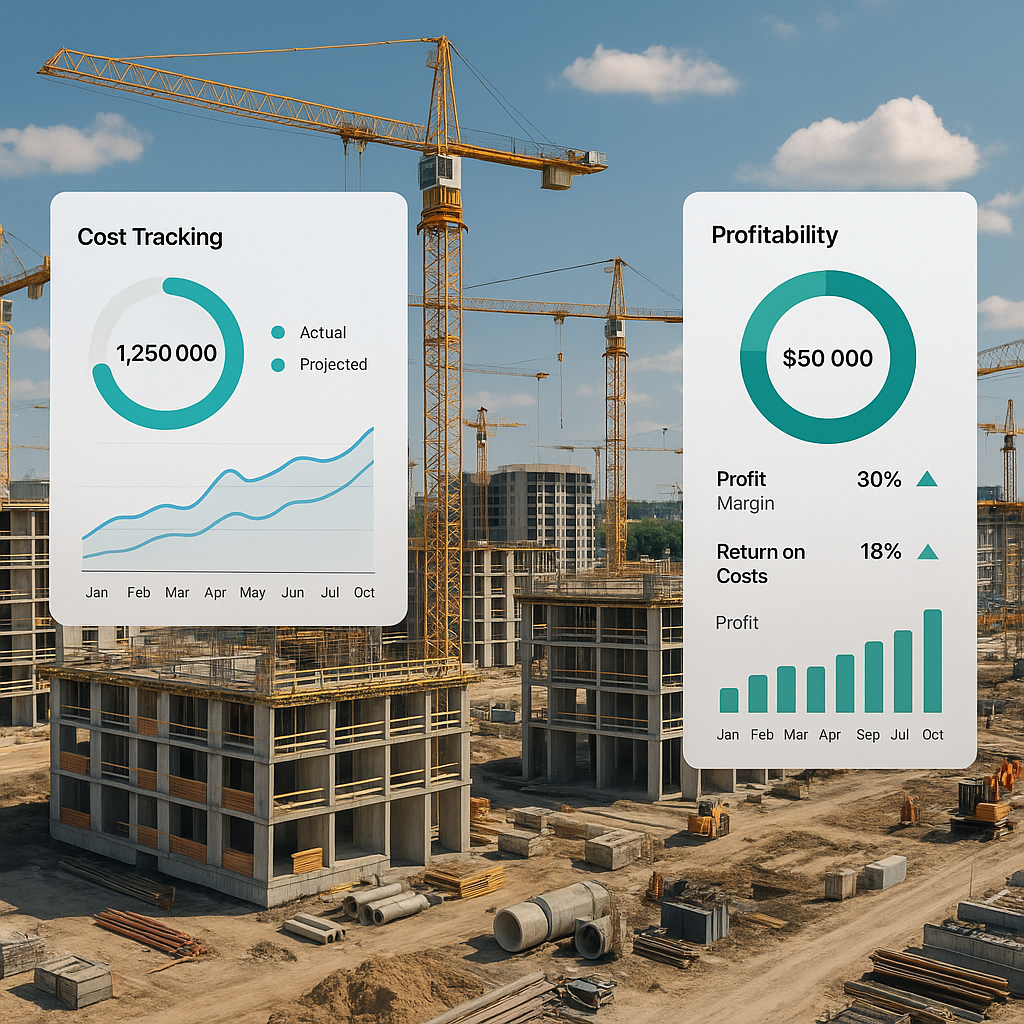
- Dashboards show you profitability metrics—live. You see exactly where you’re on budget and where you’re over.
It’s not just about tracking costs; it’s about controlling them before they spiral. And this isn’t just theory—it’s how contractors across India and the GCC are managing to stay profitable in a competitive market.
The Bottom Line
Margins aren’t shrinking because materials got more expensive or labor rates went up. They’re shrinking because contractors aren’t tracking costs in real-time. Cloud ERP fixes that. JobNext specifically excels at giving contractors the tools they need to monitor and control project profitability.
Can you really afford to keep flying blind?
References
- Why Contractors Without Cloud ERP Are Bleeding Margins (And How to Stop It)
- Why Contractors Can’t Grow Without Cloud ERP: A Real Example
- Why Margin Erosion is Killing Contractors – And How Cloud ERP Fixes It
Methodology
This article is based on our team’s first-hand experience working with contractors across India and the GCC. We also referenced primary site content from JobNext and external industry reports to back our claims.