
The Real Digital Challenge for Construction Firms
Construction firms face a unique problem when it comes to technology adoption: complexity. Unlike retail or manufacturing, construction projects are unpredictable. Materials spike in price overnight, subcontractors delay work, and site conditions change hourly. Add multi-site operations across regions, and you’ve got a recipe for chaos.
That chaos is reflected in the numbers. According to McKinsey, construction's productivity has grown by only 1% annually over the past two decades — compared to 3.6% in manufacturing. Why? Disconnected systems, manual workflows, and poor visibility into project financials.
Where Technology Consulting Comes In
Most construction firms aren’t tech experts, nor should they be. Their core job is to build, not to figure out how to integrate procurement workflows with finance. That’s where technology consultants come in — not to sell software, but to solve specific problems like revenue leakage or subcontractor overruns.
Tech consultants start by understanding your operations. What’s killing profitability? How are billing disputes handled? Are your purchase orders tied to work orders? For example, we’ve seen firms lose millions because material requests (MRs) weren’t tracked properly. One missing MR can derail procurement timelines, delay projects, and eat into margins.
Practical Example: Fixing Procurement Chaos
Let’s talk procurement. In many mid-size construction firms, the process is chaotic. You’ve got site engineers emailing MRs, vendors sending quotes via WhatsApp, and POs approved over phone calls. Not exactly structured.
A technology consultant would recommend digitizing this workflow — but not by simply slapping a generic ERP on top. Instead, they’d focus on tools built for construction, like JobNext’s structured MR → RFQ → Vendor Offers → PO system. This ensures every material request flows through proper approval chains and ties back to the project budget. No more missed purchase orders. No more surprise overspending.
This approach isn’t theoretical. As outlined in The Contractor's First ERP, the key to ERP success is starting with workflows causing the most pain — not trying to digitize everything at once.
Avoiding Common Pitfalls
You might be thinking, “Won’t digitizing be expensive?” Yes, if you’re buying the wrong solutions. Generic tools often miss construction-specific needs like BOQ-based billing or subcontractor measurement tracking. And let’s not forget integration headaches. Consultants help avoid these pitfalls by narrowing down options to platforms like JobNext, built for contractors.
Another objection: “What if my team resists change?” They will. Change management is almost always harder than the technology itself. A good consultant doesn’t just implement software; they train teams, set realistic adoption targets, and phase digitization so your staff isn’t overwhelmed. As ERP Implementation for Contractors explains, phased rollouts consistently outperform big-bang approaches.
The Long-Term Payoff
When done right, digitization isn’t just about reducing chaos — it’s about unlocking profitability. Take Al Nab’a Services, a 6,000-employee FM company. In this case study, they automated payroll, contracts, and billing across 1,200 sites, cutting admin costs by 30%. That’s not just efficiency; it’s profit.
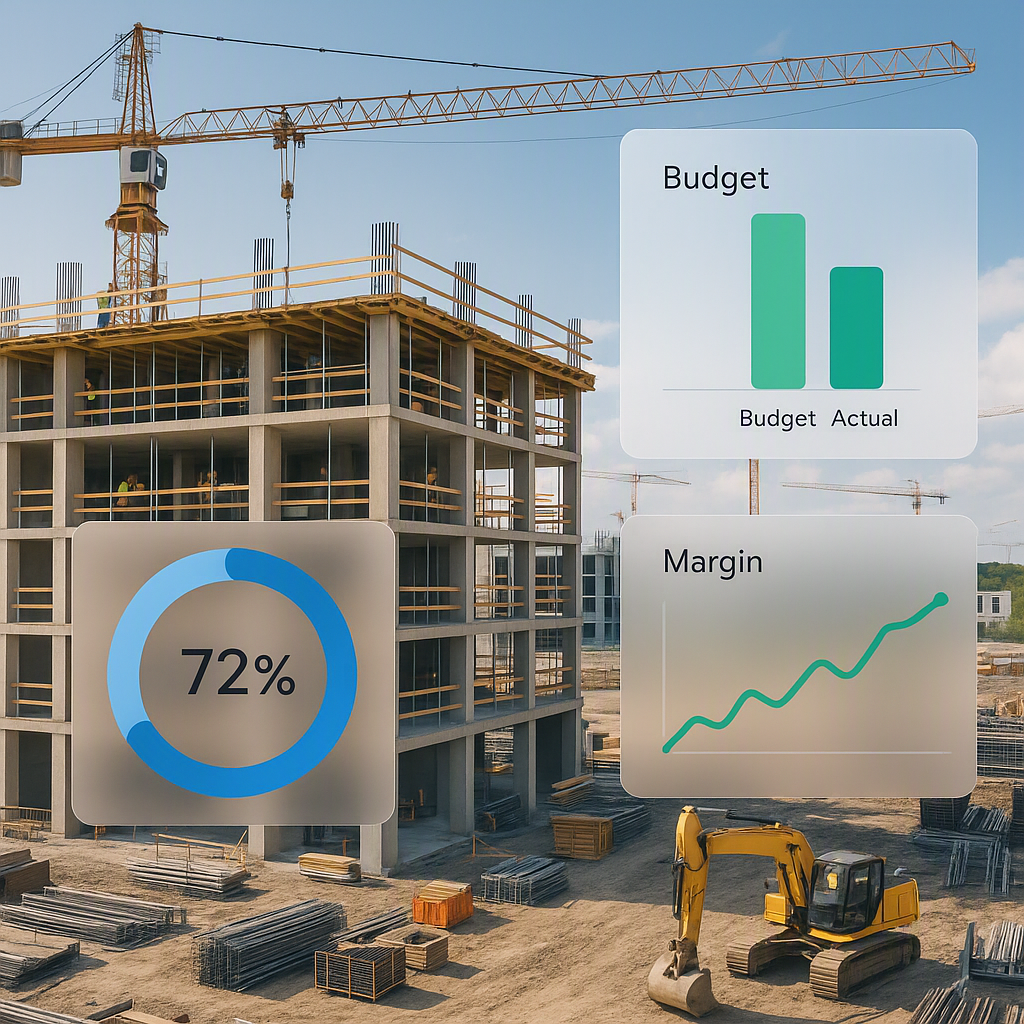
For contractors, real-time visibility into project finances is the ultimate goal. Platforms like JobNext’s dashboards provide that clarity, showing profitability across BOQs, scopes, and estimates. Without it, you’re flying blind.
Key Takeaway
Technology consulting isn’t about selling software. It’s about fixing broken workflows, simplifying operations, and driving profitability. And for construction firms, it’s less about the tech itself and more about how it’s applied. A good consultant doesn’t just recommend tools — they make sure those tools solve real, measurable problems.
Ready to see JobNext in action?
Multi-tenant SaaS ERP for construction, facilities management, and contracting — covering preconstruction, project execution, procurement, HR & payroll, equipment, finance, and 150+ analytics reports.
Get Started Free →