Margin Erosion: The Silent Killer in Construction Projects
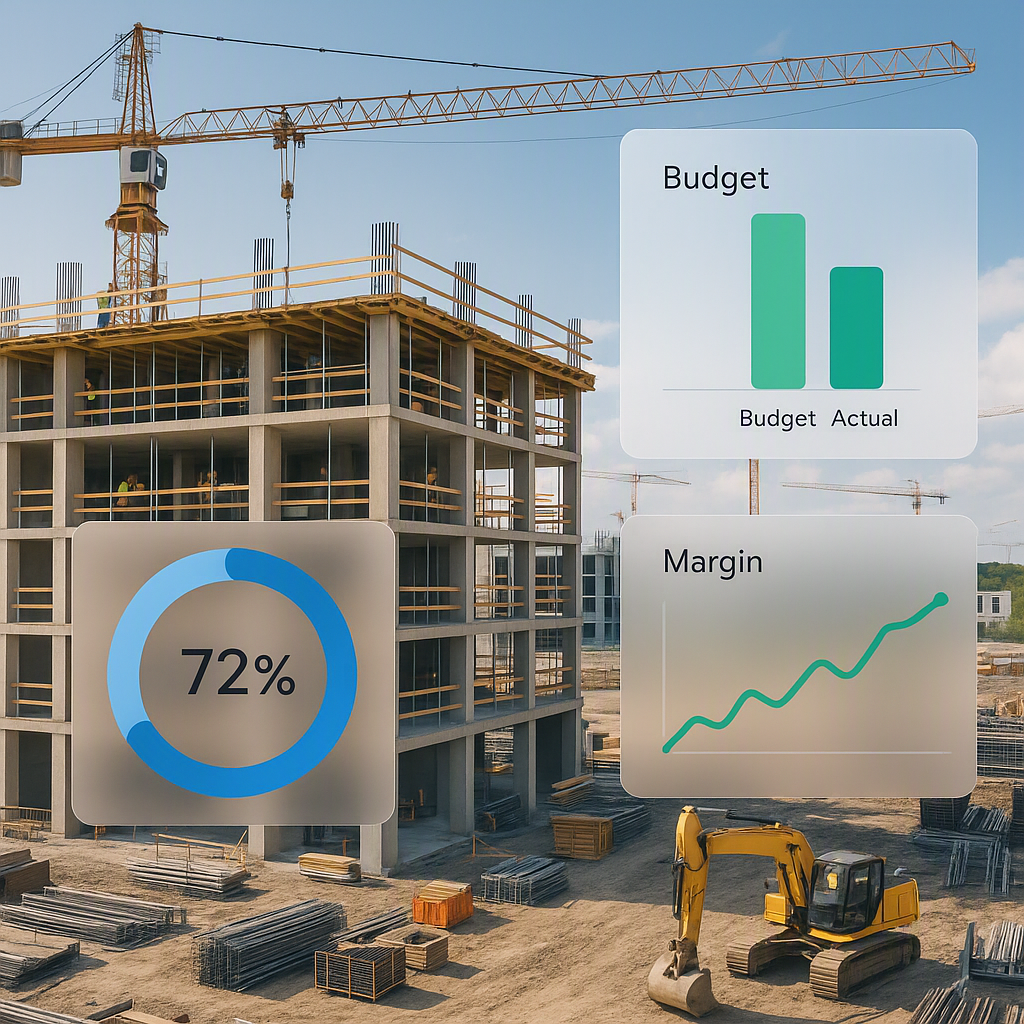
Margins in construction are razor-thin. If you're running multiple projects, even small inefficiencies add up fast. Take cost tracking. When you're juggling BOQs, scopes, and estimates across sites, it's easy to lose sight of profitability. And once you're in the red, it's nearly impossible to recover mid-project.
Why Manual Systems Aren't Cutting It
Manual spreadsheets and disconnected tools might feel manageable for single-site operations. But scale up to 10 sites, and you're in chaos. We've seen contractors who thought they'd nailed their estimates, only to find out mid-project that they'd under-budgeted on labor or materials. By then, the damage is done. You can't fix what you can't track in real time.
What Cloud ERP Brings to the Table
This is where a cloud-based ERP solution like JobNext makes the difference. It gives you real-time visibility into project profitability by tracking costs at the BOQ, scope, and estimate levels. You don't just see aggregated numbers — you see where, exactly, you're bleeding money. That's actionable.
5 Practical Ways Cloud ERP Stops Profit Leaks
1. Real-Time Cost Tracking
Imagine you're running a 12-month HVAC installation project across three sites. In month four, you realize your material costs are 15% higher than estimated. With a cloud ERP, you'd have spotted this deviation as it happened. Tools like JobNext let you monitor costs live — whether it's labor, materials, or equipment usage. Why Contractors Lose Money Without Cloud ERP dives deeper into this.
2. Unified Billing Methods
Revenue leakage in billing is another profit killer. Contractors often struggle with mismatched billing methods. One-time bills, RA Bills, stage-wise invoicing — every method has its quirks, and manual systems can't handle them all. With JobNext, you get six billing methods built into the platform. No revenue slips through the cracks.
3. Structured Procurement Workflows
Manual procurement workflows are chaotic. Material requisitions (MRs) get lost, vendor RFQs are overlooked, and purchase orders (POs) lack proper approval chains. Cloud ERP systems enforce structure: MR → RFQ → Vendor Offers → PO. It’s transparent and traceable. Contractors who use this approach consistently report fewer procurement delays and cost overruns.
4. Measurement-Based Subcontractor Payments
Subcontractor costs can spiral out of control if you’re not careful. We've seen cases where contractors paid subs for incomplete work due to poor measurement tracking. JobNext integrates measurement-based progress tracking, ensuring you only pay for actual work completed. It’s not just efficient—it’s fair.
5. Pre-Built Analytics Dashboards
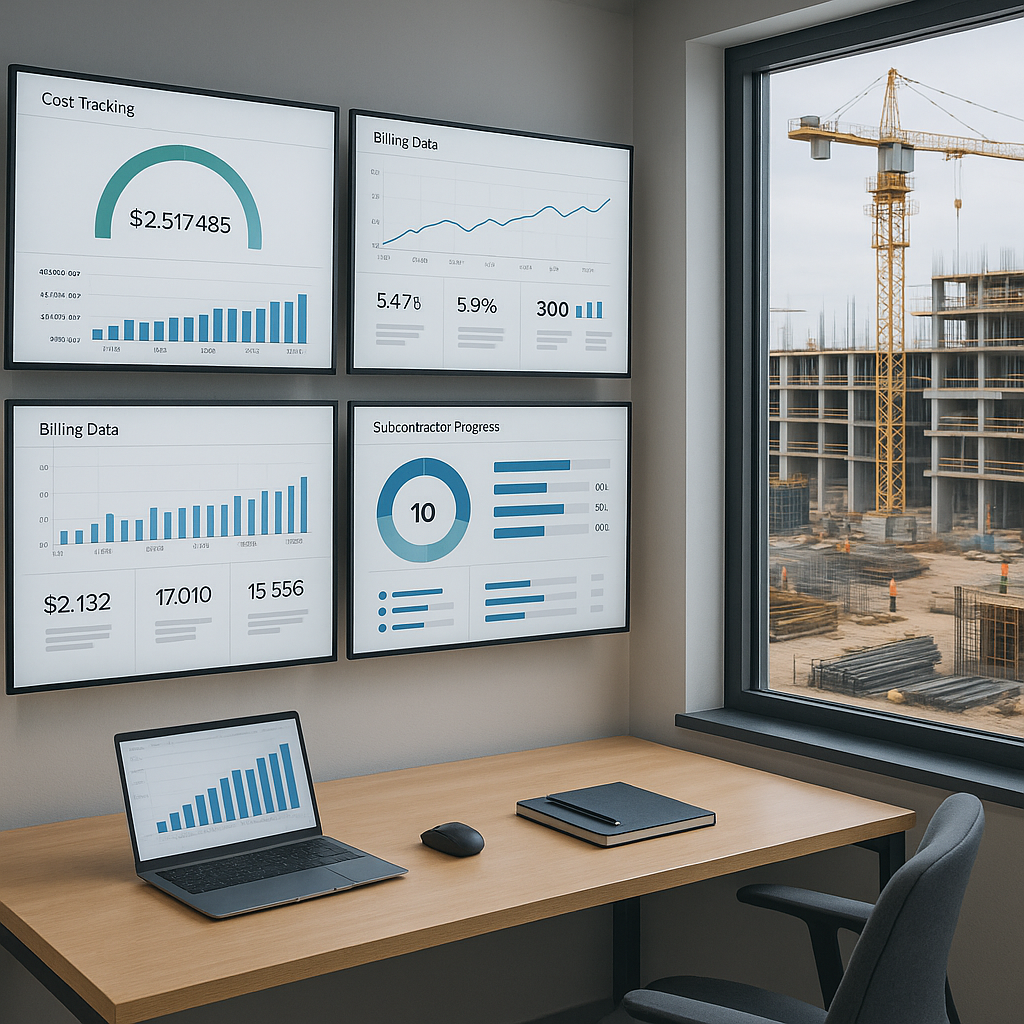
Data is useless if you can't interpret it. The best ERPs offer pre-built dashboards that show you project profitability at a glance. JobNext goes a step further with 150+ SSRS reports that span CRM, Finance, Projects, SCM, and more. Need to see how your subcontractor costs compare across sites? It's two clicks away.
Why Contractors Can’t Afford to Wait
You might think cloud ERP is overkill for a mid-size operation. It's not. Margins are shrinking industry-wide, and manual systems can’t keep up. Why Contractors Who Ignore Cloud ERP Risk Stagnating in 2024 explains how contractors that skip ERP are falling behind.
The Bottom Line
If you're serious about protecting your margins, cloud ERP isn't optional. Tools like JobNext aren't just software; they're profit-saving systems. Start tracking your costs, streamline your procurement, and stop revenue leaks — before they sink your projects.
Ready to see JobNext in action?
Multi-tenant SaaS ERP for construction, facilities management, and contracting — covering preconstruction, project execution, procurement, HR & payroll, equipment, finance, and 150+ analytics reports.
Get Started Free →